
Книга Insight - Средне-выше среднего - Инсайт Словарного Запаса 10
Здесь вы найдете словарный запас из Vocabulary Insight 10 в учебнике Insight Upper-Intermediate, такие как "избирать", "залоговое обеспечение", "персонализировать" и т.д.
Обзор
Флэш-карточки
формы
Правописание
Тест

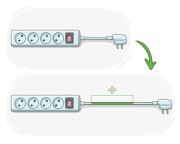
to enlarge or lengthen something

расширять
Она протягивает руку для дружеского рукопожатия.

to customize something to suit an individual's needs, preferences, or characteristics
персонализировать
Художник персонализирует портрет, чтобы передать уникальные черты и личность субъекта.

a belief or ideology that supports governance by the people, emphasizing equal participation in the political process
демократия
Она твердо верит в демократию и выступает за управление народом.

a person who believes in or advocates for the principle of equality, especially in regards to social, political, and economic affairs
равноправие
Как эгалитарист, она боролась за равные права для всех социальных классов.
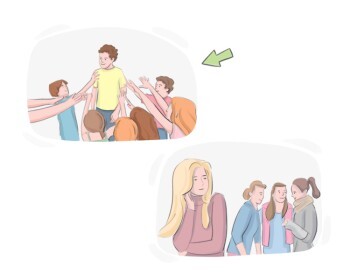
receiving a lot of love and attention from many people
популярный
Она самая популярная ученица в своем классе.
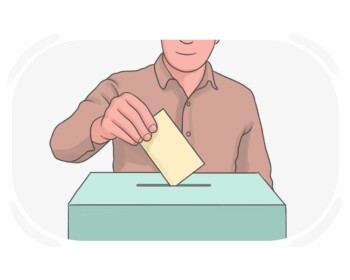
to show which candidate one wants to win in an election or which plan one supports, by marking a piece of paper, raising one's hand, etc.
голосовать, подавать голос
Граждане регулярно голосуют на выборах, чтобы выбрать своих представителей.

a series of organized activities that are intended to achieve a particular goal
кампания
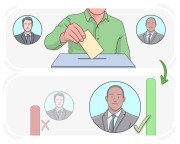
to choose a person for a specific job, particularly a political one, by voting
избирать
Граждане изберут нового мэра на предстоящих муниципальных выборах.
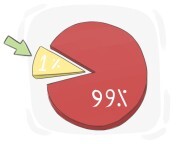
a small group of people who differ in race, religion, etc. and are often mistreated by the society
меньшинство
Фестиваль отметил традиции местных меньшинств.
a ruler or leader who has absolute power and uses it in a cruel and oppressive way, without any regard for the rights or well-being of others
тиран
Народ восстал против тирана, который десятилетиями правил железной рукой.

the obligation to perform a particular duty or task that is assigned to one
ответственность
Она приняла ответственность за руководство проектной командой.
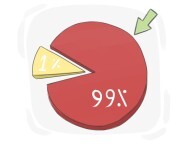
the larger part or number of a given set or group
большинство
Большинство членов комитета проголосовало за новую политику.

to control and be in charge of a country
править
Монарх правил королевством с абсолютной властью.

to bring someone or something under control through laws and rules
ограничивать
Правительство решило ограничить использование определенных химических веществ из-за экологических проблем.
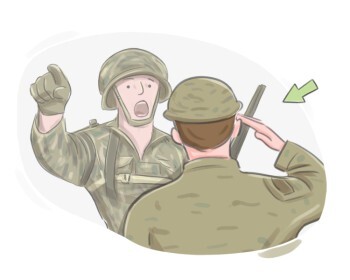
to follow commands, rules, or orders
повиноваться
Ожидается, что дети будут подчиняться указаниям своих родителей.
(of a person or system) enforcing strict obedience to authority at the expense of individual freedom
авторитарный
Авторитарный режим жестко контролирует средства массовой информации и подавляет инакомыслие.
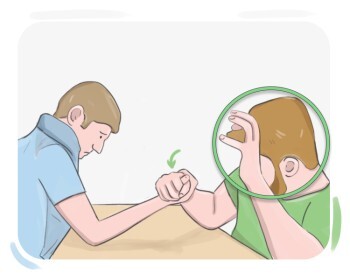
possessing great strength or force
мощный
Мощный двигатель легко propelled машину вперед.

a form of government where power is concentrated in the hands of a single individual or a small group, often with absolute authority, without the consent of the people
диктатура
При диктатуре у граждан не было свободы слова или собраний.

the right to act, say, or think as one desires without being stopped, controlled, or restricted
свобода
Протестующие требовали большей свободы для всех граждан.
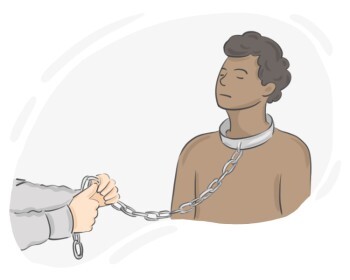
the state in which a person is owned by someone and used for forced labor
рабство
Рабство было темной главой в истории, лишившей миллионы их основных прав человека.

lack of power or ability to act effectively
слабость
Слабость команды была раскрыта во время финального матча.
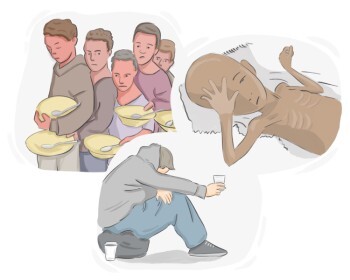
the condition of lacking enough money or income to afford basic needs like food, clothing, etc.
бедность
Многие семьи в этом районе живут в бедности и с трудом получают доступ к основным услугам.

a period or state where there is no war or violence
мир
После многих лет конфликта в регионе наконец наступил период длительного мира и стабильности.
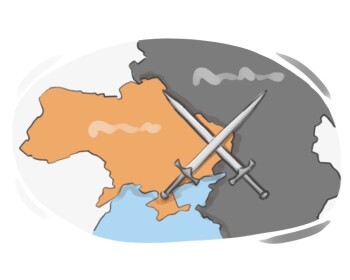
a state of armed fighting between two or more groups, nations, or states
война
Мир был в войне в начале 20 века.
a loan guarantee that may be taken away if the loan is not repaid
обеспечение кредита
При оформлении кредита банк часто требует от заемщиков предоставления залога, такого как недвижимость или транспортные средства, чтобы снизить риск дефолта.
belonging to or shared by a group of people and not only individuals
общинный
Деревня построила общий сад для всеобщего пользования.
the presence of a variety of distinct characteristics within a group
разнообразие
Художественная коллекция музея продемонстрировала разнообразие человеческого творчества, представив произведения из многочисленных культур и временных периодов.
the act of guiding or directing a group of people towards a shared goal or objective
руководство
Её сильное лидерство помогло команде добиться успеха.

a person who habitually takes advantage of others' generosity without offering anything in return
халявщик
the force or energy that propels a process, idea, or endeavor, enabling it to continue moving, progressing, or gaining strength
импульс
Кампания набрала обороты после первого успеха.

the state of having the same opportunities, rights, status, etc. as others
равенство
Закон направлен на обеспечение расового равенства во всех сферах общества.
![to [wear] the trousers](https://cdn.langeek.co/photo/40215/thumb/350?type=jpeg "to [wear] the trousers")
to be the one who makes important decisions and fully controls a relationship or family
Быть главным в отношениях или семье

regular and without any exceptional features
общий
Встреча была наполнена обычными задачами и обсуждениями.
the action of spreading, allocating, or apportioning something among recipients
распределение
Распределение продовольственной помощи осуществлялось местным советом.
the action of making people obey a law or regulation
правоприменение
Полицейское управление отвечает за применение правил дорожного движения в городе.

a situation or a chance where doing or achieving something particular becomes possible or easier
удобный случай
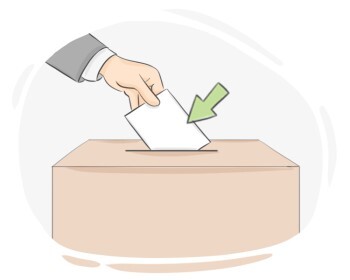
a document listing the options or candidates used in voting
бюллетень
Избиратели получили свой бюллетень на избирательном участке.

someone who is competing in an election or for a job position
кандидат
Кандидат на пост мэра произнес вдохновляющую речь на митинге.
a group of people in a specific area who elect a representative to a legislative position
избиратели округа
Кандидат пообещал решить проблемы всего своего избирательного округа.
the group of people who are eligible to vote in an election
избиратели
Кандидат сделал сильное обращение к электорату во время кампании.
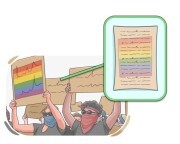
a written public declaration of intentions, opinions, and objectives, often issued by a political party, a government, or a group of individuals with a shared interest or purpose
манифест
Активисты выпустили манифест, чтобы сплотить поддержку своей цели.
a specific place where voters go to cast their vote in an election
избирательный участок
Избиратели выстроились в очередь у избирательного участка рано утром.
the percentage or number of eligible voters who actually cast their vote
явка
На выборах была зафиксирована высокая явка избирателей, с участием более 75% имеющих право голоса.
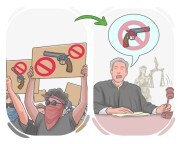
to officially put an end to a law, activity, or system
отменить
Правительство решило отменить смертную казнь.
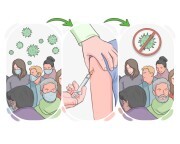
to completely destroy something, particularly a problem or threat
искоренять
Международное сообщество сотрудничает, чтобы искоренить незаконную торговлю дикими животными.

a set of ideas or a plan of action that has been chosen officially by a group of people, an organization, a political party, etc.
политика

to formally promise to do something
давать обещание
Он пообещал поддерживать благотворительность на протяжении всей своей жизни.

to use offensive or vulgar language in order to express strong emotions
ругаться
Расстроенная новостью, она не могла не ругаться про себя.
a type of government where a ruler or a small group of people have complete power and control over the citizens, often making decisions without considering their rights or welfare
тирания
На протяжении всей истории человечество боролось с разрушительной силой тирании, когда жаждущие власти личности стремились подчинить и контролировать других.
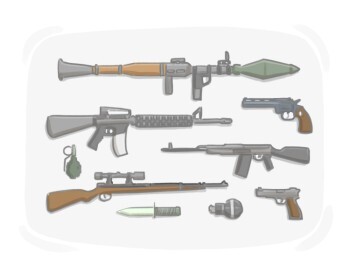
weapons in general, especially those used by the military
оружие
Солдаты были обучены интенсивному использованию различных видов оружия перед отправкой на передовую.
| Книга Insight - Средне-выше среднего | |||
|---|---|---|---|
| Инсайт Словарного Запаса 9 | Блок 10 - 10A | Раздел 10 - 10C | Раздел 10 - 10D |
| Блок 10 - 10E | Инсайт Словарного Запаса 10 | ||
