
El libro Insight - Intermedio Alto - Perspectiva del Vocabulario 10
Aquí encontrarás el vocabulario de Vocabulary Insight 10 en el libro de curso Insight Upper-Intermediate, como "elegir", "colateral", "personalizar", etc.
Revisión
Tarjetas de memoria
formas
Ortografía
Cuestionario

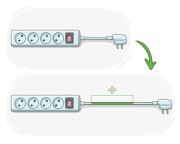
to enlarge or lengthen something

extender

to customize something to suit an individual's needs, preferences, or characteristics
personalizar, adaptar
El software permite a los usuarios personalizar sus perfiles con configuraciones y preferencias únicas.

a belief or ideology that supports governance by the people, emphasizing equal participation in the political process
democracia

a person who believes in or advocates for the principle of equality, especially in regards to social, political, and economic affairs
igualitario
Se identificó como un igualitario y trabajó incansablemente para promover salarios justos para todos los trabajadores.
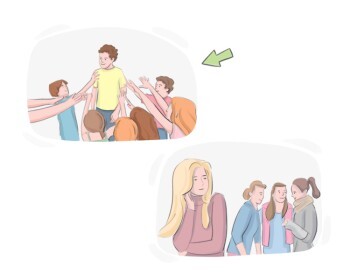
receiving a lot of love and attention from many people
popular
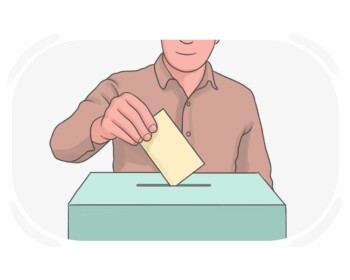
to show which candidate one wants to win in an election or which plan one supports, by marking a piece of paper, raising one's hand, etc.
votar

a series of organized activities that are intended to achieve a particular goal
campaña
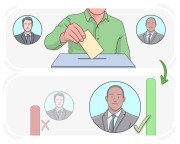
to choose a person for a specific job, particularly a political one, by voting
elegir
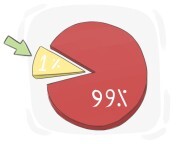
a small group of people who differ in race, religion, etc. and are often mistreated by the society
minoría
a ruler or leader who has absolute power and uses it in a cruel and oppressive way, without any regard for the rights or well-being of others
tirano
Las políticas opresivas del tirano dejaron a la nación en un estado de miedo y desesperación.

the obligation to perform a particular duty or task that is assigned to one
responsabilidad, obligación
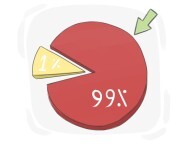
the larger part or number of a given set or group
mayoría

to control and be in charge of a country
gobernar

to bring someone or something under control through laws and rules
limitar
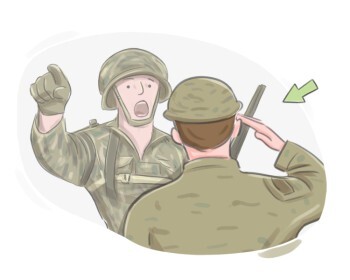
to do what a person in authority, rule, law, or instruction requires
obedecer
(of a person or system) enforcing strict obedience to authority at the expense of individual freedom
autoritario
Los líderes autoritarios a menudo dependen de la censura y la propaganda para mantener el poder.
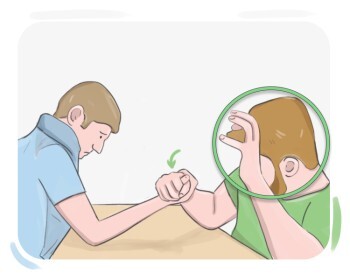
possessing great strength or force
poderoso
Las herramientas poderosas en el taller ayudaron a completar el trabajo rápidamente.

a form of government where power is concentrated in the hands of a single individual or a small group, often with absolute authority, without the consent of the people
dictadura
La gente vivía con miedo bajo las estrictas leyes de la dictadura.
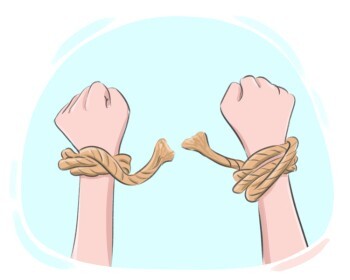
the right to act, say, or think as one desires without being stopped, controlled, or restricted
libertad
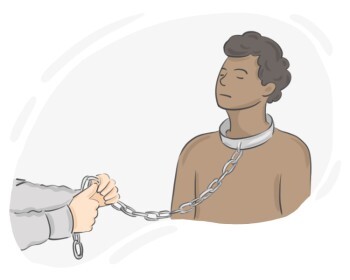
the state in which a person is owned by someone and used for forced labor
esclavitud
A pesar del fin de la esclavitud legal, aún existen formas modernas de explotación.

a lack of power, influence, or ability to act effectively
debilidad, debilidad
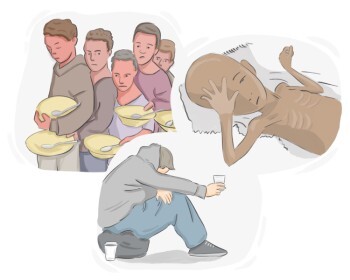
the condition of lacking enough money or income to afford basic needs like food, clothing, etc.
pobreza

a period or state where there is no war or violence
paz
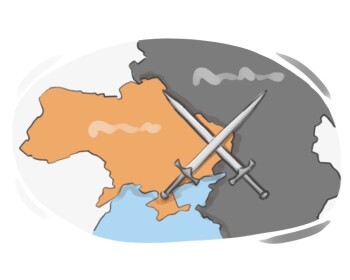
a state of armed fighting between two or more groups, nations, or states
guerra
a loan guarantee that may be taken away if the loan is not repaid
garantía
En caso de incumplimiento, el prestamista tiene derecho a embargar y vender la garantía para recuperar la deuda pendiente.
belonging to or shared by a group of people and not only individuals
comunal
El baño comunal se limpiaba diariamente.
the state of including or containing many different types, characteristics, or elements
diversidad
the act of guiding or directing a group of people towards a shared goal or objective
liderazgo, dirección

a person who habitually takes advantage of others' generosity without offering anything in return
gorrón, aprovechado
the force or energy that propels a process, idea, or endeavor, enabling it to continue moving, progressing, or gaining strength
impulso
El equipo mantuvo su impulso durante todo el partido.

the state of having the same rights, opportunities, treatment, or social status as others
igualdad
![to [wear] the trousers](https://cdn.langeek.co/photo/40215/thumb/350?type=jpeg "to [wear] the trousers")
to be the one who makes important decisions and fully controls a relationship or family

regular and without any exceptional features
común
El restaurante ofrecía platos comunes como pasta y ensalada.
the action of spreading, allocating, or apportioning something among recipients
distribución
the process of making sure that a law, rule, requirement, or decision is obeyed or carried out
aplicación, ejecución

a situation or a chance where doing or achieving something particular becomes possible or easier
oportunidad, ocasión
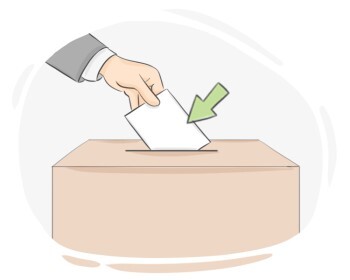
a document listing the options or candidates used in voting
papeleta

someone who is competing in an election or for a job position
candidato
the people in a particular area who are represented by an elected member of a parliament or legislature
electorado
the group of people who are eligible to vote in an election
electorado
El debate fue transmitido en vivo para asegurar que el electorado estuviera informado.
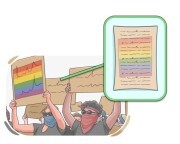
a written public declaration of intentions, opinions, and objectives, often issued by a political party, a government, or a group of individuals with a shared interest or purpose
manifesto
El manifiesto del grupo pedía cambios significativos en las políticas ambientales.
a specific place where voters go to cast their vote in an election
colegio electoral, centro de votación
La escuela local se utilizó como centro de votación durante las elecciones.
the percentage or number of eligible voters who actually cast their vote
participación electoral, tasa de participación
La campaña se centró en aumentar la participación entre los votantes jóvenes.
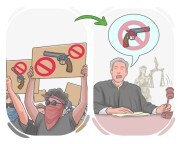
to officially put an end to a law, system, practice, or institution
abolir, suprimir
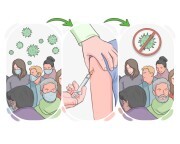
to completely destroy something, particularly a problem or threat
erradicar
El gobierno se compromete a erradicar la pobreza a través de varios programas sociales.

a set of ideas or a plan of action that has been chosen officially by a group of people, an organization, a political party, etc.
política

to make a serious or formal promise to do or give something
prometer

to use rude or offensive words, especially when angry or upset
insultar
a type of government where a ruler or a small group of people have complete power and control over the citizens, often making decisions without considering their rights or welfare
tiranía
A lo largo de la historia, la humanidad ha lidiado con la fuerza destructiva de la tiranía, mientras que individuos sedientos de poder buscan subyugar y controlar a los demás.
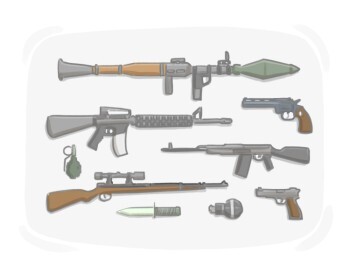
weapons in general, especially those used by the military
armas
Los soldados fueron entrenados extensamente en el uso de varias armas antes de ser desplegados en las líneas del frente.
| El libro Insight - Intermedio Alto | |||
|---|---|---|---|
| Perspectiva del Vocabulario 9 | Unidad 10 - 10A | Unidad 10 - 10C | Unidad 10 - 10D |
| Unidad 10 - 10E | Perspectiva del Vocabulario 10 | ||
