
Insight - Upper-intermediate - Vocabulary Insight 10
Here you will find the vocabulary from Vocabulary Insight 10 in the Insight Upper-Intermediate coursebook, such as "elect", "collateral", "personalize", etc.
Review
Flashcards
Forms
Spelling
Quiz

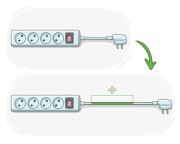

to customize something to suit an individual's needs, preferences, or characteristics

a belief or ideology that supports governance by the people, emphasizing equal participation in the political process

a person who believes in or advocates for the principle of equality, especially in regards to social, political, and economic affairs
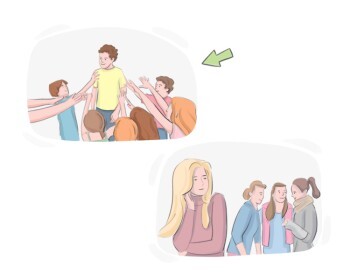
receiving a lot of love and attention from many people
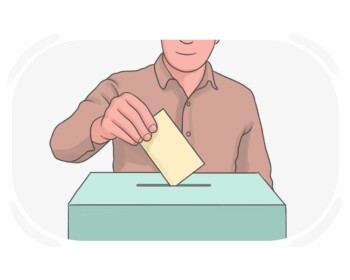
to show which candidate one wants to win in an election or which plan one supports, by marking a piece of paper, raising one's hand, etc.

a series of organized activities that are intended to achieve a particular goal
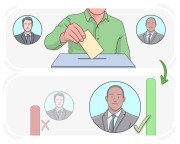
to choose a person for a specific job, particularly a political one, by voting
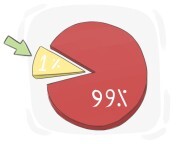
a small group of people who differ in race, religion, etc. and are often mistreated by the society
a ruler or leader who has absolute power and uses it in a cruel and oppressive way, without any regard for the rights or well-being of others

the obligation to perform a particular duty or task that is assigned to one
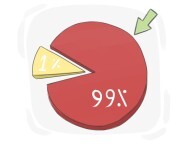
the larger part or number of a given set or group

to control and be in charge of a country

to bring someone or something under control through laws and rules
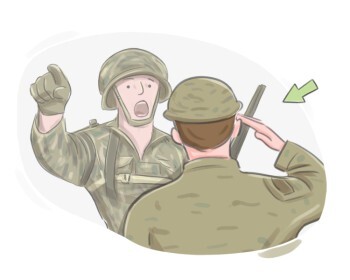
to follow commands, rules, or orders
(of a person or system) enforcing strict obedience to authority at the expense of individual freedom
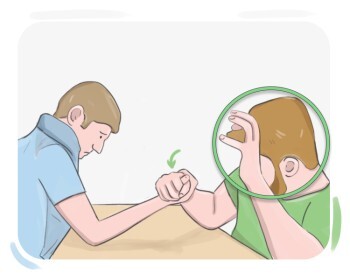
possessing great strength or force

a form of government where power is concentrated in the hands of a single individual or a small group, often with absolute authority, without the consent of the people

the right to act, say, or think as one desires without being stopped, controlled, or restricted
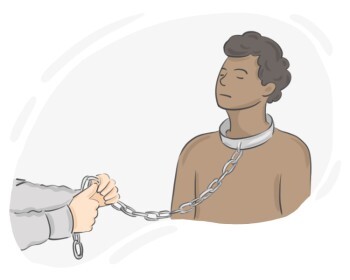
the state in which a person is owned by someone and used for forced labor

lack of power or ability to act effectively
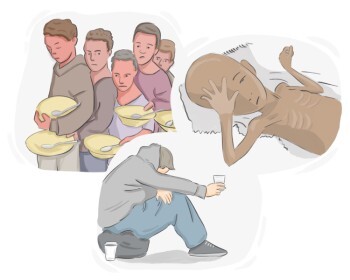
the condition of lacking enough money or income to afford basic needs like food, clothing, etc.

a period or state where there is no war or violence
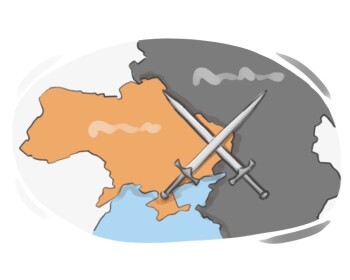
a state of armed fighting between two or more groups, nations, or states
a loan guarantee that may be taken away if the loan is not repaid
belonging to or shared by a group of people and not only individuals
the presence of a variety of distinct characteristics within a group
the act of guiding or directing a group of people towards a shared goal or objective

a person who habitually takes advantage of others' generosity without offering anything in return
the force or energy that propels a process, idea, or endeavor, enabling it to continue moving, progressing, or gaining strength

the state of having the same opportunities, rights, status, etc. as others
![to [wear] the trousers](https://cdn.langeek.co/photo/40215/thumb/350?type=jpeg "to [wear] the trousers")
to be the one who makes important decisions and fully controls a relationship or family

regular and without any exceptional features
the action of spreading, allocating, or apportioning something among recipients
the action of making people obey a law or regulation

a situation or a chance where doing or achieving something particular becomes possible or easier
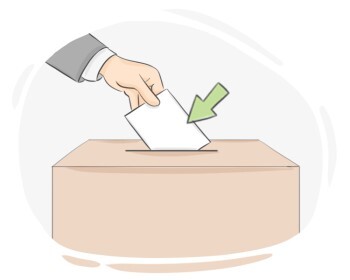
a document listing the options or candidates used in voting

someone who is competing in an election or for a job position
a group of people in a specific area who elect a representative to a legislative position
the group of people who are eligible to vote in an election
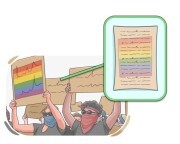
a written public declaration of intentions, opinions, and objectives, often issued by a political party, a government, or a group of individuals with a shared interest or purpose
a specific place where voters go to cast their vote in an election
the percentage or number of eligible voters who actually cast their vote
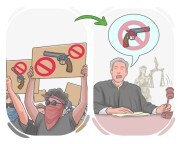
to officially put an end to a law, activity, or system
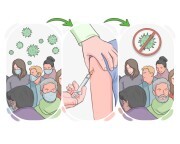
to completely destroy something, particularly a problem or threat

a set of ideas or a plan of action that has been chosen officially by a group of people, an organization, a political party, etc.
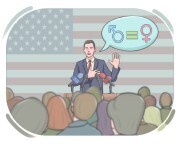
to formally promise to do something
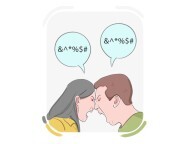
to use offensive or vulgar language in order to express strong emotions
a type of government where a ruler or a small group of people have complete power and control over the citizens, often making decisions without considering their rights or welfare
| Insight - Upper-intermediate | |||
|---|---|---|---|
| Vocabulary Insight 9 | Unit 10 - 10A | Unit 10 - 10C | Unit 10 - 10D |
| Unit 10 - 10E | Vocabulary Insight 10 | ||
