
Kniha Insight - Vyšší středně pokročilý - Vhled do Slovní Zásoby 10
Zde najdete slovní zásobu z Vocabulary Insight 10 v učebnici Insight Upper-Intermediate, jako jsou "volit", "zástava", "personalizovat" apod.
Revize
Kartičky
tvary
Pravopis
Kvíz

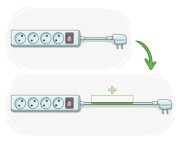
to enlarge or lengthen something

prodloužit, rozšířit

to customize something to suit an individual's needs, preferences, or characteristics
personalizovat, přizpůsobit
Svatební plánovači úzce spolupracují s páry, aby personalizovali každý detail jejich zvláštního dne.

a belief or ideology that supports governance by the people, emphasizing equal participation in the political process
demokracie, vláda lidu

a person who believes in or advocates for the principle of equality, especially in regards to social, political, and economic affairs
egalitář, zastánce rovnosti
Projev egalitáře inspiroval mnohé k připojení se k hnutí za rasovou rovnost.
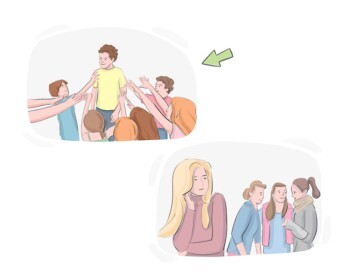
receiving a lot of love and attention from many people
populární, milovaný
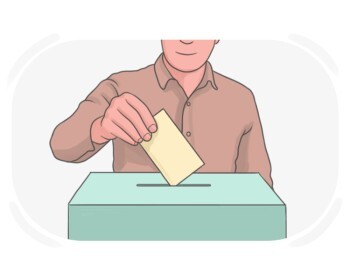
to show which candidate one wants to win in an election or which plan one supports, by marking a piece of paper, raising one's hand, etc.
hlasovat, oddat hlas

a series of organized activities that are intended to achieve a particular goal
kampaň
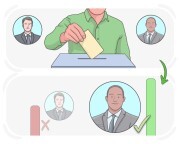
to choose a person for a specific job, particularly a political one, by voting
volit, zvolit hlasováním
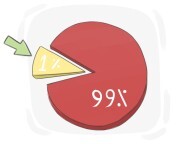
a small group of people who differ in race, religion, etc. and are often mistreated by the society
menšina
a ruler or leader who has absolute power and uses it in a cruel and oppressive way, without any regard for the rights or well-being of others
tyran, despota
Tyran uvalil přísné zákony, které potlačovaly jakoukoli formu nesouhlasu nebo opozice.

the obligation to perform a particular duty or task that is assigned to one
odpovědnost, povinnost
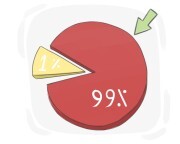
the larger part or number of a given set or group
většina, větší část

to control and be in charge of a country
vládnout, panovat

to bring someone or something under control through laws and rules
omezit, restriktivně
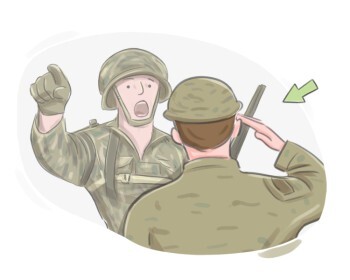
to do what a person in authority, rule, law, or instruction requires
poslouchat, uposlechnout
(of a person or system) enforcing strict obedience to authority at the expense of individual freedom
autoritářský, despotický
Autoritářská vláda často ignoruje lidská práva a občanské svobody ve jménu stability.
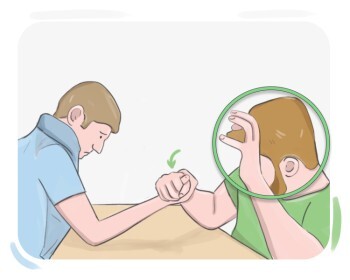
possessing great strength or force
výkonný, silný
Tým hrál s silnou energií a snadno vyhrál zápas.

a form of government where power is concentrated in the hands of a single individual or a small group, often with absolute authority, without the consent of the people
diktatura, diktátorský režim
Mnoho zemí bojovalo proti diktatuře ve 20. století.

the right to act, say, or think as one desires without being stopped, controlled, or restricted
svoboda
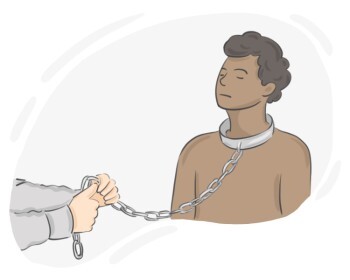
the state in which a person is owned by someone and used for forced labor
otroctví, nevolnictví
Zrušení otroctví představovalo významný milník v boji za svobodu a rovnost.

a lack of power, influence, or ability to act effectively
slabost, slabost
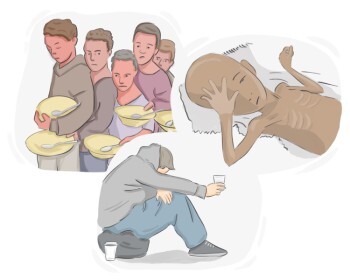
the condition of lacking enough money or income to afford basic needs like food, clothing, etc.
chudoba

a period or state where there is no war or violence
mír
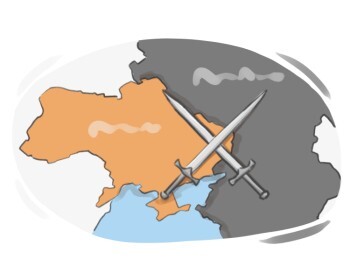
a state of armed fighting between two or more groups, nations, or states
válka
a loan guarantee that may be taken away if the loan is not repaid
zástava, kolaterál
Podnikatel zadal své akciové portfolio jako zajištění, aby zajistil podnikatelskou půjčku potřebnou k rozšíření své společnosti.
belonging to or shared by a group of people and not only individuals
komunitní, kolektivní
Kmen následoval komunitní tradice předávané z generace na generaci.
the state of including or containing many different types, characteristics, or elements
the act of guiding or directing a group of people towards a shared goal or objective
vedení, řízení

a person who habitually takes advantage of others' generosity without offering anything in return
příživník, darmožrout
the force or energy that propels a process, idea, or endeavor, enabling it to continue moving, progressing, or gaining strength
hybnost, impuls
Ekonomický impuls závisí na stabilitě trhu.

the state of having the same rights, opportunities, treatment, or social status as others
rovnost, rovnoprávnost

to be the one who makes important decisions and fully controls a relationship or family

regular and without any exceptional features
běžný, obyčejný
Jeho odpověď byla tak běžná, že v rozhovoru nevynikla.
the action of spreading, allocating, or apportioning something among recipients
distribuce, rozdělení
the process of making sure that a law, rule, requirement, or decision is obeyed or carried out
vymáhání, prosazování

a situation or a chance where doing or achieving something particular becomes possible or easier
příležitost, šance
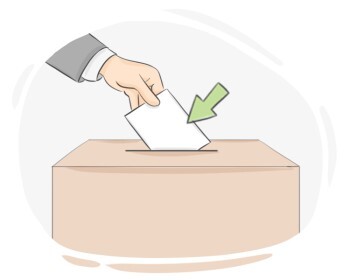
a document listing the options or candidates used in voting
hlasovací lístek, hlas
Každý hlasovací lístek byl před distribucí zkontrolován na přesnost.

someone who is competing in an election or for a job position
kandidát, kandidátka
the people in a particular area who are represented by an elected member of a parliament or legislature
volební obvod, voliči
the group of people who are eligible to vote in an election
voličstvo, volební těleso
Kandidáti často přizpůsobují své zprávy tak, aby řešily obavy voličů.
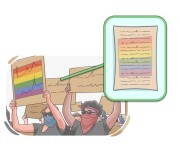
a written public declaration of intentions, opinions, and objectives, often issued by a political party, a government, or a group of individuals with a shared interest or purpose
manifest, veřejné prohlášení
Studentská unie vydala manifest, který prosazuje lepší vzdělávací zdroje.
a specific place where voters go to cast their vote in an election
volební místnost, hlasovací stanice
V každé volební místnosti byla zavedena bezpečnostní opatření, aby byl zajištěn spravedlivý proces.
the percentage or number of eligible voters who actually cast their vote
volební účast, míra účasti
Snahy o zvýšení volební účasti zahrnovaly prodloužení volebních hodin a poskytnutí dopravy.
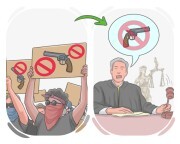
to officially put an end to a law, system, practice, or institution
zrušit, zneplatnit
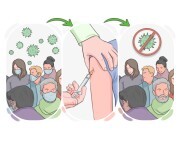
to completely destroy something, particularly a problem or threat
vymýtit, zničit
Očkovací kampaň úspěšně vymýtila šíření infekčního onemocnění.

a set of ideas or a plan of action that has been chosen officially by a group of people, an organization, a political party, etc.
politika

to make a serious or formal promise to do or give something
slíbit, zavázat se

to use rude or offensive words, especially when angry or upset
klít
a type of government where a ruler or a small group of people have complete power and control over the citizens, often making decisions without considering their rights or welfare
tyranie, despotismus
Tváří v tvář tyranii stateční jedinci vstali za spravedlnost a bojovali proti utlačovatelskému režimu, riskovali své životy, aby přinesli svobodu.
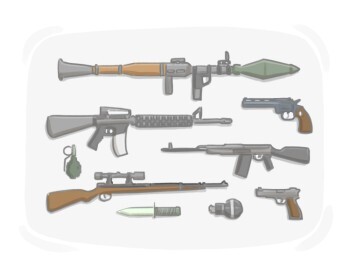
weapons in general, especially those used by the military
zbraně, výzbroj
Země výrazně investovala do modernizace svých zbraní, aby zvýšila své vojenské schopnosti.
| Kniha Insight - Vyšší středně pokročilý | |||
|---|---|---|---|
| Pohled na Slovní Zásobu 9 | Jednotka 10 - 10A | Jednotka 10 - 10C | Jednotka 10 - 10D |
| Jednotka 10 - 10E | Vhled do Slovní Zásoby 10 | ||
