
Список Слов Уровня B2 - выражение чувства
Здесь вы выучите некоторые английские слова об оценке и дискурсе, такие как "figure", "justify", "object" и т.д., подготовленные для учащихся уровня B2.
Обзор
Флэш-карточки
формы
Правописание
Тест


to form an opinion or assumption about something based on available information or logic

считать
Я полагаю, что она прибудет около 6 вечера, учитывая обычное движение.
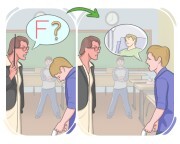
to provide a valid reason or explanation for an action, decision, or belief, usually something that others consider wrong
оправдать, обосновать
Ей пришлось оправдывать свой выбор карьеры в искусстве перед родителями, подчеркивая свою страсть и долгосрочные цели.

used to explain the main reason or starting point of a situation
впервые
Я не хочу идти в первую очередь, я устал, и во-вторых, я не могу себе этого позволить.

to give a fact or an opinion as a reason against something
возражать
Она возразила, что новое правило несправедливо накажет сотрудников, работающих неполный рабочий день.
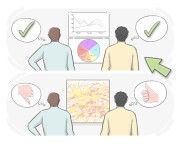
based only on facts and not influenced by personal feelings or judgments
беспристрастный, объективный
Хороший судья должен оставаться объективным в каждом деле.
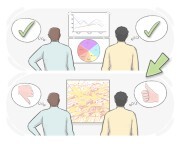
based on or influenced by personal feelings or opinions rather than facts
субъективный
Рецензия художественного критика была субъективной, отражая ее личный вкус, а не объективный анализ.

to firmly and persistently express an opinion, belief, or statement as true and valid
утверждать
Несмотря на споры, автор утверждает, что исторические факты в книге точны.

used to admit that a statement is true before making another one
может быть
Он, возможно, прав, но это не меняет общей ситуации.

to state the name of someone or something
называть
Во время презентации она назвала каждого члена проектной группы и их вклад.
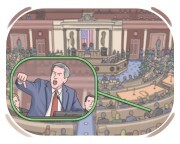
to strongly disagree with a policy, plan, idea, etc. and try to prevent or change it
сопротивляться
Местные жители выступили против строительства нового завода из-за экологических проблем.

trying to stop something because one strongly disagrees with it
противопоставленный
Члены сообщества были против строительства новой автомагистрали через их район из-за опасений по поводу увеличения трафика и шумового загрязнения.

to express admiration or approval toward something or someone
хвалить
Учитель похвалил ученика за выдающееся выполнение сложного задания.

to think or have an opinion about something
считаться
Она считала, что лучше проконсультироваться со специалистом, прежде чем принимать решение.

to think about someone or something in a specified way
относиться
Учитель считает усердную работу и преданность делу важными факторами успеха.
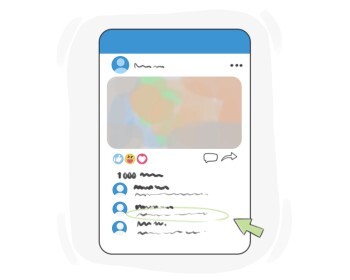
to express one's opinion through a statement
замечать
Попробовав блюдо, она не могла не высказаться об исключительных кулинарных навыках шеф-повара.

to form a theory or opinion about a subject without knowing all the facts
спекулировать, предполагать
Наблюдая необычное поведение, ученые начали спекулировать о потенциальных причинах явления.
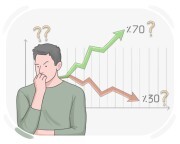
the creation of theories or opinions about something with no fact or proof
спекуляции, предположение
Фондовый рынок часто подвержен влиянию спекуляций о будущих тенденциях.

a considered or deliberate mental or emotional attitude toward something
позиция
Политик уточнила свою позицию по климатической политике.

to have a certain opinion regarding an issue
стоять, быть
Он решительно противостоит жестокости по отношению к животным.
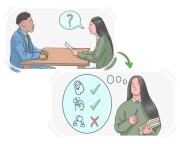
to express a brief conclusion or judgment about someone or something based on available information
суммировать
После того как она выслушала обе стороны спора, она подытожила ситуацию как недоразумение.

the act of interpreting something incorrectly
недопонимание
Сообщение было потеряно из-за простого недоразумения.

the image or idea that is formed based on how one understands something
восприятие
Его восприятие произведения искусства изменилось после того, как он узнал о прошлом художника.

an opinion or stance held in opposition to another in a dispute or argument
точка зрения
Его позиция резко контрастировала с мнением большинства.

the act or process of testing or verifying the truth of something through evidence or argument
доказательство
Эксперимент послужил доказательством гипотезы.

the collective attitudes, beliefs, and views held by the general population on various issues, events, or individuals
общественное мнение
Политики часто формируют свою политику на основе общественного мнения, чтобы она соответствовала предпочтениям избирателей.

the mind's power to understand or think logically
разум
Философ подчеркнул важность разума в этических дискуссиях.

something that is said that shows one's opinion of something
замечание
Она сделала вдумчивое замечание о важности командной работы.

the general opinion that the public has about someone or something because of what they did in the past
репутация
Компания много работала, чтобы создать репутацию отличного обслуживания клиентов.

used to show one's agreement
все права, ладно
« Этот подход кажется эффективным. » « Верно, я согласен с этим. »

one of the people or groups involved in an argument, contest, etc.
сторона
Каждая сторона представила свои аргументы во время дебатов.

used to indicate contrast
тогда как
Некоторые студенты находят математику легкой, тогда как другие борются с ней.

to use sign language for communication
жестикулировать, использовать язык жестов
Она подписывает бегло, что позволяет ей эффективно общаться с глухим сообществом.
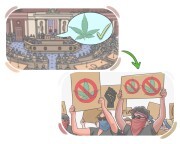
used to convay that one is strongly against someone or something
против
Она выступила против предлагаемых изменений в законы о зонировании города.


