
pattern

B2 Level Wordlist - Assessment and Discourse

Here you will learn some English words about assessment and discourse, such as "figure", "justify", "object", etc. prepared for B2 learners.

Review

Flashcards

Forms

Spelling

Quiz

Start learning
CEFR B2 Vocabulary
to figure
to figure
[Verb]

to form an opinion or assumption about something based on available information or logic
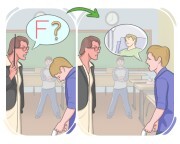
Ex: I figure she'll arrive around 6 PM, given the usual traffic. 
Close
Sign in
to justify

to provide a valid reason or explanation for an action, decision, or belief, usually something that others consider wrong

Ex: She had to justify her choice to pursue a career in the arts to her parents, emphasizing her passion and long-term goals. 
Close
Sign in
in the first place

used to explain the main reason or starting point of a situation

Ex: I don't want to go in the first place, I'm tired, and secondly, I can't afford it. 
Close
Sign in
to object
to object
[Verb]

to give a fact or an opinion as a reason against something
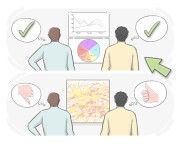
Ex: She objected that the new rule would unfairly penalize part-time employees. 
Close
Sign in
objective
objective
[Adjective]

based only on facts and not influenced by personal feelings or judgments
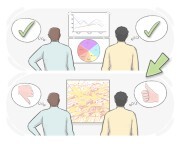
Ex: The journalist strived to provide an objective report, presenting the facts without bias. 
Close
Sign in
subjective
subjective
[Adjective]

based on or influenced by personal feelings or opinions rather than facts

Ex: The art critic's review was subjective, reflecting her personal taste rather than objective analysis. 
Close
Sign in
to maintain

to firmly and persistently express an opinion, belief, or statement as true and valid

Ex: She maintains that her interpretation of the data is correct despite the opposition. 
Close
Sign in
may
may
[Verb]

used to admit that a statement is true before making another one

Ex: It may not be perfect, yet it still represents a significant improvement. 
Close
Sign in
to name
to name
[Verb]

to state the name of someone or something
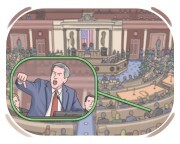
Ex: During the presentation, she named each member of the project team and their contributions. 
Close
Sign in
to oppose
to oppose
[Verb]

to strongly disagree with a policy, plan, idea, etc. and try to prevent or change it

Ex: The local residents opposed the construction of the new factory due to environmental concerns. 
Close
Sign in
opposed
opposed
[Adjective]

trying to stop something because one strongly disagrees with it

Ex: The community members were opposed to the construction of the new highway through their neighborhood due to concerns about increased traffic and noise pollution. 
Close
Sign in
to praise
to praise
[Verb]

to express admiration or approval toward something or someone
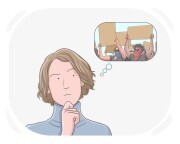
Ex: The teacher praised the student for their outstanding performance on the challenging assignment. 
Close
Sign in
to reckon
to reckon
[Verb]

to think or have an opinion about something

Ex: He reckoned that the project would take longer than anticipated. 
Close
Sign in
to regard
to regard
[Verb]

to think about someone or something in a specified way
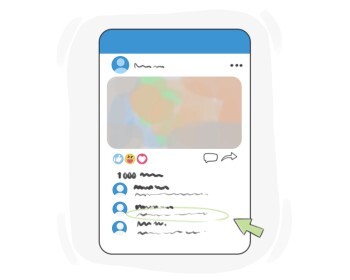
Ex: She regards her colleagues as valuable contributors to the team. 
Close
Sign in
to remark
to remark
[Verb]

to express one's opinion through a statement

Ex: After tasting the dish, she couldn't help but remark on the chef's exceptional culinary skills. 
Close
Sign in
to speculate

to form a theory or opinion about a subject without knowing all the facts
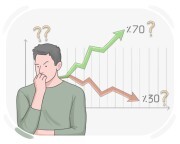
Ex: Observing the unusual behavior, scientists began to speculate about the potential causes of the phenomenon. 
Close
Sign in
speculation

the creation of theories or opinions about something with no fact or proof

Ex: The stock market is often influenced by speculation about future trends. 
Close
Sign in
stance
stance
[noun]

a considered or deliberate mental or emotional attitude toward something

Ex: The politician clarified her stance on climate policy. 
Close
Sign in
to stand
to stand
[Verb]

to have a certain opinion regarding an issue
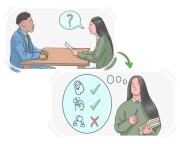
Ex: He firmly stands against animal cruelty. 
Close
Sign in
to sum up
to sum up
[Verb]

to express a brief conclusion or judgment about someone or something based on available information

Ex: It's impossible to sum someone up based on one interaction. 
Close
Sign in
misunderstanding

the act of interpreting something incorrectly

Ex: The message was lost due to a simple misunderstanding. 
Close
Sign in
perception

the image or idea that is formed based on how one understands something

Ex: Her perception of the artwork changed after learning about the artist's background. 
Close
Sign in
position
position
[noun]

an opinion or stance held in opposition to another in a dispute or argument

Ex: His position contrasted sharply with the majority opinion. 
Close
Sign in
proof
proof
[noun]

the act or process of testing or verifying the truth of something through evidence or argument

Ex: The scientist conducted proof of the new method. 
Close
Sign in
public opinion

the collective attitudes, beliefs, and views held by the general population on various issues, events, or individuals

Ex: Politicians often shape their policies based on public opinion to ensure they align with voters' preferences. 
Close
Sign in
reason
reason
[noun]

the mind's power to understand or think logically

Ex: She used reason to analyze the situation before making a decision. 
Close
Sign in
remark
remark
[noun]

something that is said that shows one's opinion of something

Ex: She made a thoughtful remark about the importance of teamwork. 
Close
Sign in
reputation

the general opinion that the public has about someone or something because of what they did in the past

Ex: The company worked hard to build a reputation for excellent customer service. 
Close
Sign in
right
right
[interjection]

used to show one's agreement

Ex: "We should start the meeting now." "Right, let's get going." 
Close
Sign in
side
side
[noun]

one of the people or groups involved in an argument, contest, etc.

Ex: Each side presented their arguments during the debate. 
Close
Sign in
while
while
[conjunction]

used to indicate contrast

Ex: The north of the country experiences cold winters, while the south has mild weather year-round. 
Close
Sign in
to sign
to sign
[Verb]

to use sign language for communication
Ex: She signs fluently, allowing her to communicate effectively with the deaf community. 
Close
Sign in
in opposition to {sb/sth}

used to convay that one is strongly against someone or something

Ex: They marched in opposition to the new law. 
Close
Sign in
likewise
likewise
[interjection]

used to show one feels the same as another person about a particular thing or is willing to do the same thing they do

Ex: Likewise! It was really entertaining. 
Close
Sign in
judgment
judgment
[noun]

an opinion that is formed after thinking carefully

Ex: Her judgment about the project's potential risks was highly valued by the team. 
Close
Sign in
LanGeek
Download LanGeek app