pattern

Listă de Cuvinte Nivel B2 - Evaluare și Discurs

Aici veți învăța câteva cuvinte în engleză despre evaluare și discurs, cum ar fi "figure", "justify", "object" etc., pregătite pentru cursanții de nivel B2.

Revizuire

Fișe de studiu

forme

Ortografie

Chestionar

Începe să înveți
CEFR B2 Vocabulary
to figure
to figure
[verb]

to form an opinion or assumption about something based on available information or logic

presupune, estima
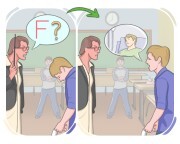
presupune, estima

Ex: He figures that the project will be completed by next month. 
Închide
Conectare
to justify

to provide a valid reason or explanation for an action, decision, or belief, usually something that others consider wrong

justifica, apăra

justifica, apăra

Ex: In his research paper, the author worked to justify his conclusions by presenting strong evidence and logical reasoning. 
Închide
Conectare
in the first place

used to explain the main reason or starting point of a situation

în primul rând, mai întâi

în primul rând, mai întâi

Ex: I don't want to go in the first place, I'm tired, and secondly, I can't afford it. 

Nu vreau să merg în primul rând, sunt obosit și, în al doilea rând, nu îmi permit.

Închide
Conectare
to object
to object
[verb]

to give a fact or an opinion as a reason against something

obiecta, a se opune
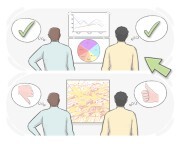
obiecta, a se opune

Ex: The lawyer objected that the witness's statement was irrelevant to the case. 
Închide
Conectare
objective
objective
[adjectiv]

based only on facts and not influenced by personal feelings or judgments

obiectiv, imparțial
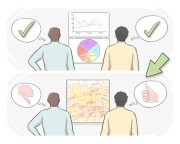
obiectiv, imparțial

Ex: As a therapist, she maintained an objective stance, helping her clients explore their emotions without imposing her own beliefs. 
Închide
Conectare
subjective
subjective
[adjectiv]

based on or influenced by personal feelings or opinions rather than facts

subiectiv, personal

subiectiv, personal

Ex: The art critic's review was subjective, reflecting her personal taste rather than objective analysis. 

Recenzia criticului de artă a fost subiectivă, reflectând gustul ei personal mai degrabă decât o analiză obiectivă.

Închide
Conectare
to maintain

to firmly and persistently express an opinion, belief, or statement as true and valid

susține, afirma

susține, afirma

Ex: Despite the controversy, the author maintains that the historical facts in the book are accurate. 

În ciuda controversei, autorul susține că faptele istorice din carte sunt exacte.

Închide
Conectare
may
may
[verb]

used to admit that a statement is true before making another one

putea, poate

putea, poate

Ex: He may have a point, but that does not change the overall situation. 

Poate are dreptate, dar asta nu schimbă situația generală.

Închide
Conectare
to name
to name
[verb]

to state the name of someone or something

numi, menționa
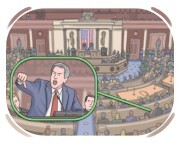
numi, menționa

Ex: The teacher named the top performers in the class and praised their achievements. 
Închide
Conectare
to oppose
to oppose
[verb]

to strongly disagree with a policy, plan, idea, etc. and try to prevent or change it

a se opune, a rezista

a se opune, a rezista

Ex: She opposed the new regulations, arguing that they were too restrictive for small businesses. 
Închide
Conectare
opposed
opposed
[adjectiv]

trying to stop something because one strongly disagrees with it

opus,  împotrivă

opus, împotrivă

Ex: The community members were opposed to the construction of the new highway through their neighborhood due to concerns about increased traffic and noise pollution. 

Membrii comunității erau împotriva construcției noului drum expres prin cartierul lor din cauza preocupărilor legate de creșterea traficului și poluarea fonică.

Închide
Conectare
to praise
to praise
[verb]

to express approval or admiration for someone or something

lăuda

lăuda

Ex: The teacher praised Emma for helping a new student. 
Închide
Conectare
to reckon
to reckon
[verb]

to think or have an opinion about something

crede, considera

crede, considera

Ex: He reckoned that the project would take longer than anticipated. 
Închide
Conectare
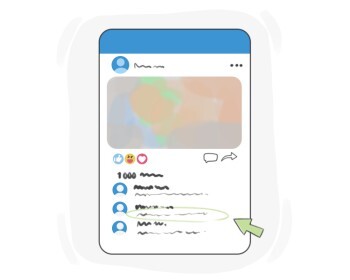
to regard
to regard
[verb]

to think about someone or something in a specified way

considera, aprecia
considera, aprecia

Ex: She regards her colleagues as valuable contributors to the team. 
Închide
Conectare
to remark
to remark
[verb]

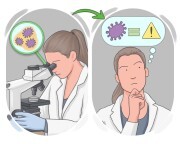
to express one's opinion through a statement

remarca, comenta
remarca, comenta

Ex: During the presentation, the audience was encouraged to remark on the key points by writing down their thoughts. 
Închide
Conectare
to speculate

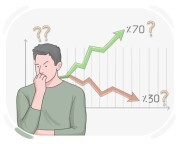
to form a theory or opinion about a subject without knowing all the facts

a specula, a formula teorii

a specula, a formula teorii

Ex: Observing the unusual behavior, scientists began to speculate about the potential causes of the phenomenon. 

Observând comportamentul neobișnuit, oamenii de știință au început să speculeze asupra cauzelor potențiale ale fenomenului.
Închide
Conectare
speculation
speculation
[substantiv]

the forming of opinions or guesses without enough evidence to know the truth

speculație

speculație

Ex: There has been intense speculation about why the director suddenly resigned. 
Închide
Conectare
stance
stance
[substantiv]

a particular attitude or position adopted toward an issue or situation

poziție

poziție

Ex: The company has changed its stance on remote work. 
Închide
Conectare
to stand
to stand
[verb]

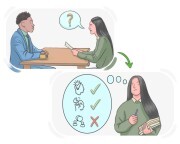
to have a certain opinion regarding an issue

sta, fi
sta, fi

Ex: Despite the differing perspectives, she continues to stand for environmental conservation. 
Închide
Conectare
to sum up
to sum up
[verb]

to express a brief conclusion or judgment about someone or something based on available information

rezuma, sintetiza

rezuma, sintetiza

Ex: The interview allowed me to sum him up as knowledgeable and thoughtful. 

Interviul mi-a permis să îl rezum ca fiind informat și atent.

Închide
Conectare
misunderstanding
misunderstanding
[substantiv]

the act of interpreting something incorrectly

neînțelegere, interpretare greșită

neînțelegere, interpretare greșită

Ex: The message was lost due to a simple misunderstanding. 

Mesajul s-a pierdut din cauza unei simple neînțelegeri.

Închide
Conectare
perception
perception
[substantiv]

the image or idea that is formed based on how one understands something

percepție, concepție

percepție, concepție

Ex: The company's perception among customers improved with their new marketing strategy. 
Închide
Conectare
position
position
[substantiv]

an opinion or stance held in opposition to another in a dispute or argument

opinie, poziție

opinie, poziție

Ex: She expressed her position during the debate. 
Închide
Conectare
proof
proof
[substantiv]

the act or process of testing or establishing whether something is true or valid

probă

probă

Ex: The claim was finally put to the proof in a controlled experiment. 
Închide
Conectare
public opinion
public opinion
[substantiv]

the collective attitudes, beliefs, and views held by the general population on various issues, events, or individuals

opinia publică, părerea publicului

opinia publică, părerea publicului

Ex: Politicians often shape their policies based on public opinion to ensure they align with voters' preferences. 

Politicienii își modelează adesea politicile pe baza opiniei publice pentru a se asigura că sunt aliniate la preferințele alegătorilor.

Închide
Conectare
reason
reason
[substantiv]

the mind's power to understand or think logically

rațiune, logică

rațiune, logică

Ex: She used reason to analyze the situation before making a decision. 
Închide
Conectare
remark
remark
[substantiv]

something that is said that shows one's opinion of something

remarcă, comentariu

remarcă, comentariu

Ex: His casual remark sparked a lively debate among the group. 
Închide
Conectare
reputation
reputation
[substantiv]

the general opinion that the public has about someone or something because of what they did in the past

reputație, renume

reputație, renume

Ex: Her reputation as a reliable and diligent employee earned her a promotion. 
Închide
Conectare
right
right
[interjecție]

used to show one's agreement

Corect

Corect

Ex: "We should start the meeting now."  "Right, let's get going." 
Închide
Conectare
side
side
[substantiv]

one of the people or groups involved in an argument, contest, etc.

parte, latură

parte, latură

Ex: The negotiation involved representatives from both sides reaching a compromise. 
Închide
Conectare
while
while
[Conjuncție]

used to indicate contrast

în timp ce, deși

în timp ce, deși

Ex: He is very outgoing and sociable, while his wife is more reserved and introverted. 

El este foarte extrovertit și sociabil, în timp ce soția lui este mai rezervată și introvertită.

Închide
Conectare
to sign
to sign
[verb]

to use sign language for communication

semna, folosi limbajul semnelor
semna, folosi limbajul semnelor

Ex: He signs with remarkable speed, making communication swift and efficient. 
Închide
Conectare
in opposition to {sb/sth}

used to convay that one is strongly against someone or something

în opoziție cu cineva sau ceva, împotriva cuiva sau a ceva

în opoziție cu cineva sau ceva, împotriva cuiva sau a ceva

Ex: She stood in opposition to the bully, defending her friend. 

Ea s-a opus agresorului, apărându-și prietena.

Închide
Conectare
likewise
likewise
[interjecție]

used to show one feels the same as another person about a particular thing or is willing to do the same thing they do

La fel !, De asemenea !

La fel !, De asemenea !

Ex: Likewise!  It was really entertaining. 

La fel! A fost cu adevărat distractiv.

Închide
Conectare
judgment
judgment
[substantiv]

an opinion that is formed after thinking carefully

judecată, opinie

judecată, opinie

Ex: The teacher's judgment on the students' performance was based on several criteria. 
Închide
Conectare
LanGeek
Descarcă aplicația LanGeek