
pattern

Lista Słówek Poziomu B2 - Ocena i Dyskurs

Tutaj nauczysz się niektórych angielskich słów dotyczących oceny i dyskursu, takich jak "figure", "justify", "object" itp., przygotowanych dla uczniów na poziomie B2.

Przegląd

Fiszki

formy

Pisownia

Test

Zacznij naukę
CEFR B2 Vocabulary
to figure
to figure
[Czasownik]

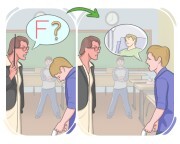
to form an opinion or assumption about something based on available information or logic

przypuszczać, uważać
przypuszczać, uważać

Ex: I figure she'll arrive around 6 PM, given the usual traffic. 
to justify
to justify
[Czasownik]

to provide a valid reason or explanation for an action, decision, or belief, usually something that others consider wrong

usprawiedliwiać, bronić

usprawiedliwiać, bronić

Ex: She had to justify her choice to pursue a career in the arts to her parents, emphasizing her passion and long-term goals. 
in the first place
in the first place
[przysłówek]

used to explain the main reason or starting point of a situation

po pierwsze, na pierwszym miejscu

po pierwsze, na pierwszym miejscu

Ex: In the first place, we don't have enough funding for this project, and secondly, we're short-staffed. 

Po pierwsze, nie mamy wystarczających środków na ten projekt, a po drugie, mamy niedobór personelu.

to object
to object
[Czasownik]

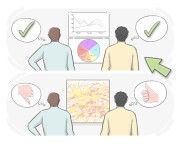
to give a fact or an opinion as a reason against something

sprzeciwiać się, protestować
sprzeciwiać się, protestować

Ex: She objected that the new rule would unfairly penalize part-time employees. 
objective
objective
[przymiotnik]

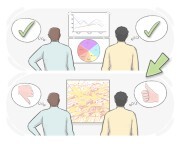
based only on facts and not influenced by personal feelings or judgments

obiektywny, bezstronny
obiektywny, bezstronny

Ex: As a therapist, she maintained an objective stance, helping her clients explore their emotions without imposing her own beliefs. 
subjective
subjective
[przymiotnik]

based on or influenced by personal feelings or opinions rather than facts

subiektywny, osobisty

subiektywny, osobisty

Ex: The evaluation of abstract art can be subjective, with viewers interpreting the meaning differently based on their own experiences. 

Ocena sztuki abstrakcyjnej może być subiektywna, a widzowie interpretują znaczenie inaczej w oparciu o własne doświadczenia.

to maintain
to maintain
[Czasownik]

to firmly and persistently express an opinion, belief, or statement as true and valid

utrzymywać, twierdzić

utrzymywać, twierdzić

Ex: The scientist maintains that climate change is a significant threat that needs immediate attention. 

Naukowiec utrzymuje, że zmiana klimatu jest znaczącym zagrożeniem wymagającym natychmiastowej uwagi.

may
may
[Czasownik]

used to admit that a statement is true before making another one

móc, może

móc, może

Ex: The proposal may seem risky, but it also has great potential. 

Propozycja może wydawać się ryzykowna, ale ma też duży potencjał.

to name
to name
[Czasownik]

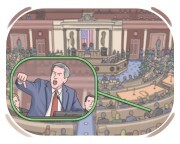
to state the name of someone or something

nazwać, wymienić
nazwać, wymienić

Ex: During the presentation, she named each member of the project team and their contributions. 
to oppose
to oppose
[Czasownik]

to strongly disagree with a policy, plan, idea, etc. and try to prevent or change it

sprzeciwiać się, opierać się

sprzeciwiać się, opierać się

Ex: The local residents opposed the construction of the new factory due to environmental concerns. 
opposed
opposed
[przymiotnik]

trying to stop something because one strongly disagrees with it

przeciwny,  sprzeciwiający się

przeciwny, sprzeciwiający się

Ex: Environmental activists were opposed to the logging of old-growth forests, citing the importance of preserving biodiversity. 

Ekolodzy sprzeciwili się wycince starych lasów, podkreślając znaczenie ochrony różnorodności biologicznej.

to praise
to praise
[Czasownik]

to express approval or admiration for someone or something

chwalić

chwalić

Ex: Her manager has repeatedly praised her attention to detail. 
to reckon
to reckon
[Czasownik]

to think or have an opinion about something

myśleć, uważać

myśleć, uważać

Ex: After considering the options, he reckoned that the first choice was the most sensible. 
to regard
to regard
[Czasownik]

to think about someone or something in a specified way

uważać, cenić
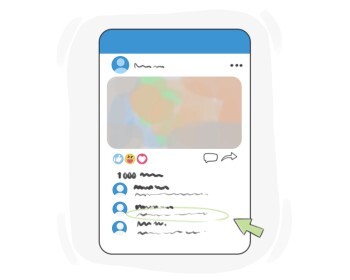
uważać, cenić

Ex: Employers often regard punctuality and reliability as important traits in employees. 
to remark
to remark
[Czasownik]

to express one's opinion through a statement

zauważyć, skomentować

zauważyć, skomentować

Ex: After tasting the dish, she couldn't help but remark on the chef's exceptional culinary skills. 
to speculate
to speculate
[Czasownik]

to form a theory or opinion about a subject without knowing all the facts

spekulować, formułować teorie

spekulować, formułować teorie

Ex: After the unexpected announcement, employees started to speculate on the upcoming changes in company policies. 

Po niespodziewanym ogłoszeniu pracownicy zaczęli spekulować nad nadchodzącymi zmianami w polityce firmy.
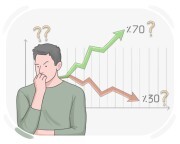
speculation
speculation
[Rzeczownik]

the forming of opinions or guesses without enough evidence to know the truth

spekulacja

spekulacja

Ex: Anything we say about his motives would be pure speculation. 
stance
stance
[Rzeczownik]

a particular attitude or position adopted toward an issue or situation

stanowisko

stanowisko

Ex: The organization maintains a neutral stance on the debate. 
to stand
to stand
[Czasownik]

to have a certain opinion regarding an issue

stać, być
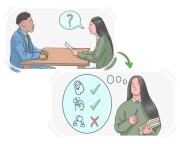
stać, być

Ex: He firmly stands against animal cruelty. 
to sum up
to sum up
[Czasownik]

to express a brief conclusion or judgment about someone or something based on available information

podsumować, streszczać

podsumować, streszczać

Ex: It's impossible to sum someone up based on one interaction. 

Niemożliwe jest podsumowanie kogoś na podstawie jednej interakcji.

misunderstanding
misunderstanding
[Rzeczownik]

the act of interpreting something incorrectly

nieporozumienie, błędne zrozumienie

nieporozumienie, błędne zrozumienie

Ex: A misunderstanding led to the scheduling error. 

Nieporozumienie doprowadziło do błędu w harmonogramie.

perception
perception
[Rzeczownik]

the image or idea that is formed based on how one understands something

postrzeganie, pojmowanie

postrzeganie, pojmowanie

Ex: Her perception of the artwork changed after learning about the artist's background. 
position
position
[Rzeczownik]

an opinion or stance held in opposition to another in a dispute or argument

opinia, stanowisko

opinia, stanowisko

Ex: His position contrasted sharply with the majority opinion. 
proof
proof
[Rzeczownik]

the act or process of testing or establishing whether something is true or valid

próba

próba

Ex: The procedure provides a practical proof of the method's reliability. 
public opinion
public opinion
[Rzeczownik]

the collective attitudes, beliefs, and views held by the general population on various issues, events, or individuals

opinia publiczna, zdanie publiczności

opinia publiczna, zdanie publiczności

Ex: Public opinion polls are frequently used to gauge the popularity of government officials and policies. 

Badania opinii publicznej są często wykorzystywane do oceny popularności urzędników państwowych i polityk.

reason
reason
[Rzeczownik]

the mind's power to understand or think logically

rozum, logika

rozum, logika

Ex: She relied on reason rather than emotion when resolving conflicts. 
remark
remark
[Rzeczownik]

something that is said that shows one's opinion of something

uwaga, komentarz

uwaga, komentarz

Ex: She made a thoughtful remark about the importance of teamwork. 
reputation
reputation
[Rzeczownik]

the general opinion that the public has about someone or something because of what they did in the past

reputacja, renoma

reputacja, renoma

Ex: The company worked hard to build a reputation for excellent customer service. 
right
right
[wykrzyknik]

used to show one's agreement

Dobrze

Dobrze

Ex: "It is essential to communicate openly."  "Right, that is very important." 
side
side
[Rzeczownik]

one of the people or groups involved in an argument, contest, etc.

strona, uczestnik

strona, uczestnik

Ex: Each side presented their arguments during the debate. 
while
while
[Spójnik]

used to indicate contrast

podczas gdy, chociaż

podczas gdy, chociaż

Ex: The north of the country experiences cold winters, while the south has mild weather year-round. 

Północ kraju doświadcza mroźnych zim, podczas gdy południe ma łagodną pogodę przez cały rok.

to sign
to sign
[Czasownik]

to use sign language for communication

posługiwać się językiem migowym, migać
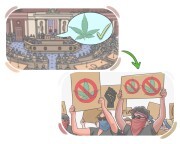
posługiwać się językiem migowym, migać

Ex: She signs fluently, allowing her to communicate effectively with the deaf community. 
in opposition to {sb/sth}

used to convay that one is strongly against someone or something

w opozycji do kogoś lub czegoś, przeciwko komuś lub czemuś

w opozycji do kogoś lub czegoś, przeciwko komuś lub czemuś

Ex: They marched in opposition to the new law. 

Maszerowali w opozycji do nowego prawa.

likewise
likewise
[wykrzyknik]

used to show one feels the same as another person about a particular thing or is willing to do the same thing they do

Podobnie !, Tak samo !

Podobnie !, Tak samo !

Ex: Likewise, I congratulated her on her recent achievement. 

Podobnie pogratulowałem jej niedawnego osiągnięcia.

judgment
judgment
[Rzeczownik]

an opinion that is formed after thinking carefully

osąd, opinia

osąd, opinia

Ex: Her judgment about the project's potential risks was highly valued by the team. 
LanGeek
Pobierz aplikację LanGeek