pattern

Необходимый Словарный Запас для TOEFL - точка зрения

Здесь вы узнаете некоторые английские слова о точке зрения, такие как "защищать", "оспаривать", "позиция" и т. д., которые необходимы для экзамена TOEFL.

Обзор

Флэш-карточки

формы

Правописание

Тест

Начать учиться
Essential Words Needed for TOEFL
to maintain
to maintain
[глагол]

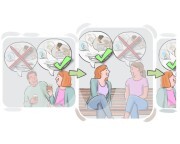
to firmly and persistently express an opinion, belief, or statement as true and valid

утверждать

утверждать

Ex: Despite the controversy, the author maintains that the historical facts in the book are accurate. 

Несмотря на споры, автор утверждает, что исторические факты в книге точны.
Закрыть
Войти
to hold
to hold
[глагол]

to have a specific opinion or belief about someone or something

придерживаться мнения

придерживаться мнения

Ex: My grandfather held traditional values when it came to family. 
Закрыть
Войти
to defend
to defend
[глагол]

to support someone or try to justify an action, plan, etc.

отстаивать, защищать

отстаивать, защищать

Ex: She defended her decision during the meeting. 
Закрыть
Войти
to advocate
to advocate
[глагол]

to publicly recommend or encourage a particular action, approach, or way of doing something

отстаивать

отстаивать

Ex: Doctors often advocate regular exercise as part of a healthy lifestyle. 
Закрыть
Войти
to calculate
to calculate
[глагол]

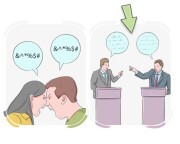
to form an opinion by considering the information at hand

рассчитывать
рассчитывать

Ex: She calculated that the trip would take about six hours. 
Закрыть
Войти
to dispute
to dispute
[глагол]

to argue with someone, particularly over the ownership of something, facts, etc.

оспаривать

оспаривать

Ex: The two colleagues started to dispute the best approach to solving the project's challenges. 
Закрыть
Войти
to generalize
to generalize
[глагол]

to form a broad conclusion or principle by considering specific instances

обобщить

обобщить

Ex: Scientists generalize results from a small study to a larger population. 

Ученые обобщают результаты небольшого исследования на более широкую популяцию.

Закрыть
Войти
to go against
to go against
[глагол]

to disagree with or not fit well with a specific rule, concept, or standard

Противостоять

Противостоять

Ex: Her principles go against the idea of exploiting natural resources for profit. 

Её принципы противоречат идее эксплуатации природных ресурсов ради прибыли.

Закрыть
Войти
to invoke
to invoke
[глагол]

to mention someone or something of prominence as a support or reason for an argument or action

ссылаться на, вызывать

ссылаться на, вызывать

Ex: She invoked the words of Gandhi to inspire her audience during the speech. 
Закрыть
Войти
to stand
to stand
[глагол]

to have a certain opinion regarding an issue

стоять, быть

стоять, быть

Ex: She stands for equal treatment. 
Закрыть
Войти
to speculate
to speculate
[глагол]

to form a theory or opinion about a subject without knowing all the facts

спекулировать, предполагать

спекулировать, предполагать

Ex: Observing the unusual behavior, scientists began to speculate about the potential causes of the phenomenon. 

Наблюдая необычное поведение, ученые начали спекулировать о потенциальных причинах явления.

Закрыть
Войти
to differ
to differ
[глагол]

to disagree with someone or to hold different opinions, viewpoints, or beliefs

расходиться во мнениях

расходиться во мнениях

Ex: The two experts differed over the cause of the problem. 
Закрыть
Войти
to contradict
to contradict
[глагол]

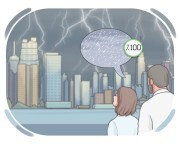
to disagree with someone, particularly by asserting the opposite of their statement

противоречить

противоречить

Ex: She contradicted his claim that the project was on schedule. 

Она опровергла его заявление о том, что проект идет по графику.
Закрыть
Войти
to bet
to bet
[глагол]

to express confidence or certainty in something happening or being the case

держать пари, спорить

держать пари, спорить

Ex: I bet she's already heard the news. 
Закрыть
Войти
assessment
assessment
[существительное]

the act of judging or evaluating someone or something carefully based on specific standards or principles

оценка

оценка

Ex: The teacher conducted an assessment of her students' understanding. 
Закрыть
Войти
assertion
assertion
[существительное]

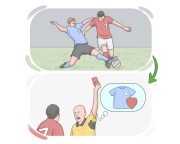
the act of claiming something or declaring something to be true

утверждение
утверждение

Закрыть
Войти
bias
bias
[существительное]

an unfair preference or tendency that influences judgment

предубеждение

предубеждение

Ex: The researchers tried to eliminate bias from the selection process. 
Закрыть
Войти
controversial
controversial
[прилагательное]

causing a lot of strong public disagreement or discussion

спорный

спорный

Ex: Some of the controversial ideas in the article were challenged by experts. 

Некоторые из спорных идей в статье были оспорены экспертами.

Закрыть
Войти
counterargument
counterargument
[существительное]

an opposing argument or viewpoint that challenges an idea or theory

контраргумент

контраргумент

Ex: She anticipated the counterarguments to her proposal and prepared strong rebuttals. 

Она предвидела контраргументы на свое предложение и подготовила сильные опровержения.

Закрыть
Войти
furthermore
furthermore
[наречие]

used to introduce additional information

кроме того

кроме того

Ex: The research findings supported the hypothesis, and furthermore, they provided valuable insights into potential applications. 

Результаты исследования подтвердили гипотезу, и кроме того, они дали ценную информацию о потенциальных применениях.
Закрыть
Войти
to oppose
to oppose
[глагол]

to strongly disagree with a policy, plan, idea, etc. and try to prevent or change it

сопротивляться

сопротивляться

Ex: Many residents opposed the plan to close the local library. 
Закрыть
Войти
to object
to object
[глагол]

to give a fact or an opinion as a reason against something

возражать

возражать

Ex: He objected that the proposal would cost too much. 
Закрыть
Войти
inclined
inclined
[прилагательное]

having a tendency to do something

наклонный

наклонный

Ex: She is inclined to believe the best in people, even when others are skeptical. 

Она склонна верить в лучшее в людях, даже когда другие скептичны.

Закрыть
Войти
moderate
moderate
[прилагательное]

not extreme in opinions, beliefs, policies, or behavior

умеренный

умеренный

Ex: The organization includes members with moderate political views. 
Закрыть
Войти
mainstream
mainstream
[существительное]

the opinions, activities, or methods that are considered normal because they are accepted by a majority of people

господствующая тенденция, основной поток

господствующая тенденция, основной поток

Ex: The band's music, once considered underground, has now become part of the mainstream. 

Музыка группы, когда-то считавшаяся андеграундной, теперь стала частью мейнстрима.

Закрыть
Войти
division
division
[существительное]

disagreement among members of a group or society

разделение

разделение

Ex: The proposal caused deep division within the committee. 
Закрыть
Войти
inference
inference
[существительное]

a conclusion one reaches from the existing evidence or known facts

заключение

заключение

Ex: The scientist's groundbreaking discovery was the result of careful observations and logical inferences. 

Новаторское открытие ученого было результатом тщательных наблюдений и логических умозаключений.

Закрыть
Войти
objective
objective
[прилагательное]

based only on facts and not influenced by personal feelings or judgments

беспристрастный, объективный

беспристрастный, объективный

Ex: A good judge must remain objective in every case. 
Закрыть
Войти
subjective
subjective
[прилагательное]

based on or influenced by personal feelings or opinions rather than facts

субъективный

субъективный

Ex: The art critic's review was subjective, reflecting her personal taste rather than objective analysis. 

Рецензия художественного критика была субъективной, отражая ее личный вкус, а не объективный анализ.

Закрыть
Войти
arguable
arguable
[прилагательное]

open to question and disagreement

спорный

спорный

Ex: Whether the new policy will be effective is still arguable. 

Эффективность новой политики все еще спорна.

Закрыть
Войти
affirmative
affirmative
[прилагательное]

favorable or supportive in attitude or response

утвердительный

утвердительный

Ex: In her role as a mentor, Sarah consistently provides affirmative guidance, empowering her mentees to pursue their goals with confidence. 

В своей роли наставника Сара постоянно оказывает поддерживающее руководство, позволяя своим подопечным уверенно преследовать свои цели.

Закрыть
Войти
argumentative
argumentative
[прилагательное]

(of a person) ready to argue and often arguing

аргументированный

аргументированный

Ex: His argumentative nature often leads to heated discussions with his peers. 

Его спорный характер часто приводит к жарким дискуссиям с его сверстниками.

Закрыть
Войти
challenging
challenging
[прилагательное]

intending to provoke thought or discussion

стимулирующий, провокационный

стимулирующий, провокационный

Ex: His challenging questions made everyone rethink their assumptions. 

Его провокационные вопросы заставили всех пересмотреть свои предположения.

Закрыть
Войти
hostile
hostile
[прилагательное]

strongly opposed to or rejecting an idea, plan, or action

враждебный

враждебный

Ex: Many residents were hostile to the proposed development. 
Закрыть
Войти
consistency
consistency
[существительное]

the quality of always acting or being the same way, or having the same opinions or standards

последовательность

последовательность

Ex: Successful athletes attribute their achievements to discipline and consistency in training. 

Успешные атлеты приписывают свои достижения дисциплине и последовательности в тренировках.

Закрыть
Войти
criticism
criticism
[существительное]

negative feedback that highlights mistakes or areas for improvement

критика

критика

Ex: His criticism helped me see flaws I had not noticed before. 
Закрыть
Войти
LanGeek
Скачать приложение LanGeek