
Ordförråd för IELTS Academic (Poäng 8-9) - Religion
Här kommer du att lära dig några engelska ord relaterade till Religion som är nödvändiga för det akademiska IELTS-provet.
Recension
Flashcards
Stavning
Quiz

the Christian message and teachings of Jesus Christ, especially the message of salvation

evangelium
any one of the twelve disciples of Jesus
apostel
Tomas, ofta kallad "Tvivelaktige Tomas", var en av apostlarna som från början tvivlade på Jesu uppståndelse tills han såg honom med egna ögon.
the religious or spiritual practice of driving out evil spirits or entities from a person or place
exorcism, befrielse
Ritualen av exorcism var en djupt helig praktik i deras kultur.
the act of disrespectfully treating a sacred item or place
helgerån, vanhelgande
Vissa kulturer anser vissa handlingar av konst eller underhållning vara helgerån om de avbildar heliga figurer eller teman på ett respektlöst eller vanvördigt sätt.
the belief that God and the universe are one and the same, considering the entire natural world as a divine expression of God
panteism, tron att Gud och universum är ett och samma
Följare av panteism känner ofta en djup känsla av samhörighet med naturen och strävar efter att odla en vördnad för den naturliga världen.
the belief in or worship of multiple gods or deities
polyteism, tro på flera gudar
Gamla civilisationer som grekerna och romarna praktiserade polyteism, där varje gudom representerade olika aspekter av livet och naturen.
in certain Christian beliefs, a temporary state of purification for souls after death, preparing them for entry into heaven
skärselden, reningsstillstånd
Troende som har dött i nådestånd kan gå igenom skärselden för att rena kvarvarande synder eller ofullkomligheter.
the branch of theology concerned with the study of the end times, final events, and the ultimate destiny of humanity and the world
eskatalogi, studiet av de sista tiderna
Buddhismens eskatalogi kännetecknas av begrepp som Nirvana, lidandets slut och uppnåendet av upplysning genom den Åttafaldiga Vägen.
the return to life of Christ on the third day after his death on the cross, according to the New Testament
uppståndelse, återfödelse
Lärjungarna var från början skeptiska till uppståndelsen men blev ivriga förkunnare av evangeliet efter att ha mött den uppståndne Kristus.
the state or quality of being sacred or morally pure
helighet, sakralitet
Äktenskapets helighet betonas i olika kulturella och religiösa traditioner.
one of the biblical Ten Commandments, guiding ethical conduct in religious traditions
bud, påbud
Hinduismen har olika etiska bud, såsom de principer som beskrivs i Bhagavad Gita, som vägleder ett rättfärdigt liv.
the belief that the universe and living organisms originated through divine acts of creation, often differing from scientific explanations such as evolution
kreationism, skapelselära
Förhållandet mellan kreationism och naturvetenskaplig utbildning har varit ett omtvistat ämne i olika regioner.
a severe or morally corrupting sin, traditionally one of seven sins in Christian theology, including lust, gluttony, greed, sloth, wrath, envy, and pride
dödssynd
Lättja, som betraktas som en dödssynd, varnar för lättja och försummelse av ens ansvar.
a belief or prophecy predicting a catastrophic end to the world within religious traditions
domedagen, världens undergång
Begreppet domedagen inspirerar ofta både rädsla och eftertanke hos troende.
a belief or opinion that contradicts the established doctrines of a religion
kätteri, heterodoxi
Hennes skrifter fördömdes som kätteri av religiösa myndigheter.
the belief, in Christian eschatology, that Christ will reign on Earth for a thousand years as described in the Book of Revelation
millenarism, chiliasm
Boken undersöker de sociala effekterna av millenarism i tidigmodern Europa.
the belief in or worship of multiple deities, often associated with nature, and typically not adhering to major world religions such as Christianity, Islam, or Judaism
hedendom, flergudstro
Hedendomens inflytande är tydligt i mytologin hos kulturer som grekerna, romarna och nordborna, där flera gudar och gudinnor hade särskilda domäner.
(in theology) the doctrine that all events, including human salvation or damnation, are determined in advance by God
predestination, förutbestämt öde
Hans studie fokuserade på predestination i 1500-talets Europa.
the female head of an abbey, convent, or other religious houses of nuns
abbedissa, moder översta
Som abbedissa var hon ansvarig för att upprätthålla reglerna och traditionerna inom det religiösa samfundet och säkerställa disciplin och ordning bland nunnorna.
the male spiritual leader and administrator of an abbey, monastery, or group of monasteries
abbed, klosterföreståndare
Som abbot var han ansvarig för klostrets andliga och världsliga välbefinnande, övervakade dess förvaltning och hanterade dess resurser.
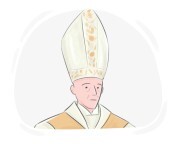
a high-ranking priest who supervises all the churches and priests in a city
biskop, präst
a set of beads used for counting prayers, especially in the Catholic tradition
radband, rosenkrans
Pilgrimer som besöker religiösa platser köper ofta en radband som en symbolisk souvenir från sin andliga resa.
the divine guidance, care, and intervention of a higher power
försyn, den gudomliga försynen
Prästen talade om försynen under predikan och framhöll tillfällen då troende bevittnade mirakulösa ingripanden i sina liv.
the intense devotion to a particular religious or political sect, often leading to prejudice or discrimination against members of other sects
sektarianism, sekterism
Att bekämpa sektarianism kräver att främja dialog och förståelse mellan olika religiösa och kulturella grupper, främja tolerans och respekt för mångfald.
uncertainty or lack of commitment regarding the existence of deities or the ability to know and comprehend the nature of ultimate reality
agnosticism, agnosticismen
Agnosticismen inbjuder till intellektuell ödmjukhet och erkänner att definitiva svar på frågor om det gudomliga kan förbli svårfångade i den mänskliga erfarenheten.
a catastrophic event, often with cosmic or divine origins, believed to cause widespread destruction or significant change in the world
apokalyps, katastrof
Rädslan för en förestående apokalyps har påverkat utvecklingen av apokalyptiska trossystem och rörelser över tiden.
a religious and philosophical system that seeks to explore the mysteries of the divine and the nature of reality through a combination of spiritual insight, ancient wisdom, and esoteric teachings
teosofi
Teosofins inflytande sträcker sig till litteratur, konst och filosofi, och inspirerar kreativa uttryck som återspeglar dess mystiska och andliga idéer.
a monumental building dedicated to gods and goddesses
pantheon, gudarnas tempel
Panthéon i Paris, ursprungligen byggt som en kyrka, fungerar nu som ett mausoleum som innehåller kvarlevorna av framstående franska medborgare.
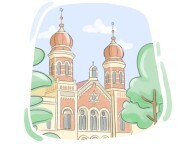
a place of worship and religious study for Jews
synagoga, judisk bönplats
Hon volontärarbetade i synagogan, hjälpte till att organisera matinsamlingar och samhällsprogram.
a person who lives a very simple life in solitude as a religious practice
eremit, enskild
Legenden säger att den vise eremiten besatt hemlig kunskap om den naturliga världen, som han endast delade med dem som sökte honom.
a small place of Christian worship, especially one smaller than or subordinate to a church
kapell, kyrkorum
act or ceremony of declaring something sacred or dedicated to a divine purpose, particularly in Christianity
invigning, helgelse
Under invigningen av en person som helgon i vissa kristna traditioner, erkänner och förklarar kyrkan deras föredömliga liv och helighet.
| Ordförråd för IELTS Academic (Poäng 8-9) | |||
|---|---|---|---|
| Dator | Historia | Religion | Kultur och Sed |
| Språk | Konst | Musik | Film och Teater |
| Litteratur | Arkitektur | Marknadsföring | Finans |
| Ledning | Medicin | Sjukdom och Symptom | Lag |
| Brott | Straff | Regering | Politik |
