
Applied Science and Research - Power Engineering
Study terms related to electrical quantities, circuits, conductors, power transmission, grid systems, phases, substations, and protective equipment.
Review
Flashcards
Spelling
Quiz

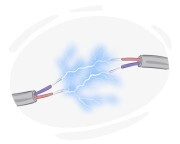
a source of power used for lighting, heating, and operating machines
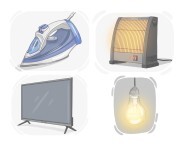
relating to, produced by, or using electricity

the measure of the intensity of an electric current, expressed in amperes
total potential energy provided by a power source
the amount of electrical power produced or used, calculated by multiplying voltage by current
a circuit where current splits into multiple paths and then recombines to complete the loop
an electrical circuit in which components are connected end-to-end along a single path
a failure in a circuit caused when the electricity flows in the wrong route due to wire damage or fault in the connections of wires
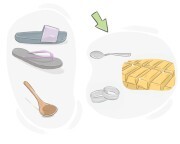
a substance that permits electricity to pass through or along it
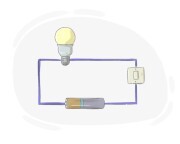
a flow of electricity resulted from the movement of electrically charged particles in a direction
an electric current that reverses direction periodically, typically used in power distribution systems due to its efficiency in long-distance transmission
a long and thin piece of metal that carries an electric current
a connection between an electrical device and a large conducting body, such as the earth (which is taken to be at zero voltage)
a connection between an electrical device and a large conducting body, such as the earth (which is taken to be at zero voltage)

a wire that carries electrical current and has the potential to cause electric shock or injury if touched
a coil of wire wrapped around a metal core that acts as a magnet when electric current flows through it
to allow heat or electricity be transmitted
a thin wire, usually made of tungsten, that glows white-hot when electricity passes through it
a device that produces electrical current through a chemical reaction
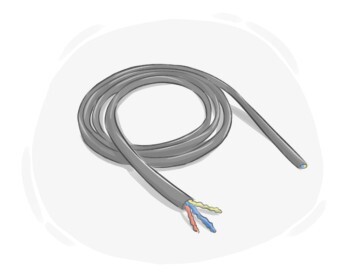
a group of wires bundled together for transmitting electricity that is protected within a rubber case
the amount of electrical power delivered or produced by a generator or power plant at a given time
(electrical engineering) the angular position of a point in an alternating current cycle, measured from a reference point
a cable or conductor used to carry electrical signals, optical signals, or electric power
a network of high-voltage cables and equipment that delivers electricity across a large region
a facility that transforms voltage levels and regulates electrical currents, typically situated in an electrical power distribution system
a protective device that automatically interrupts the flow of electricity in an electrical circuit when it detects an overload, short circuit, or other electrical fault, thereby preventing damage to the circuit and reducing the risk of electrical hazards
(electrical engineering) a collection of devices like switches and circuit breakers that control and protect electrical equipment
a solid strip or bar of conductive material that distributes electricity to multiple connected circuits
(electrical engineering) using three alternating currents of the same voltage, each offset by one-third of a cycle
(electrical engineering) using a single alternating current for power distribution, commonly used in residential settings
