pattern

Applied Science and Research - Computer Problems & Security

Study terms related to system errors, performance issues, malware, cybercrime, authentication, access control, and computer protection.

Review

Flashcards

Forms

Spelling

Quiz

Start learning
Words Related to Applied Science and Research
bug
bug
[noun]

an error or fault in a computer program, system, etc.
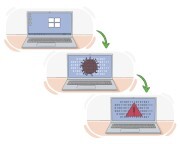
Ex: The software update aimed to fix a bug that caused the application to crash when opening large files. 
Close
Sign in
to corrupt

to cause errors or damage to a digital file, program, or system, either intentionally or unintentionally, due to a malfunction or interference

Ex: A virus can corrupt your computer files if you're not careful. 
Close
Sign in
to crash
to crash
[Verb]

(computing) to suddenly stop working

Ex: The application crashed while he was saving his work, causing him to lose unsaved data. 
Close
Sign in
to debug
to debug
[Verb]

(computing) to detect and remove faults in a software

Ex: The software developer spent hours debugging the program to identify and fix the errors. 
Close
Sign in
down
down
[Adjective]

(of a computer system) not working temporarily or properly

Ex: The company's website was down for maintenance, causing inconvenience for online shoppers. 
Close
Sign in
to freeze
to freeze
[Verb]

(of software) to stop working properly and no longer respond to actions

Ex: My computer froze while I was working on the report. 
Close
Sign in
to hallucinate

(of an AI system) to generate false or fabricated information

Ex: The chatbot hallucinated a nonexistent source for its claim. 
Close
Sign in
laggy
laggy
[Adjective]

slow to respond, as a computer, game, or internet connection

Ex: The game got really laggy during the final boss fight. 
Close
Sign in
to overload

to subject an electrical system to a demand that exceeds its designed capacity

Ex: Plugging multiple high-power appliances into a single electrical outlet can overload the circuit. 
Close
Sign in
overflow
overflow
[noun]

(computing) a fault caused when a value is too large for the system to represent

Ex: The integer overflow crashed the calculation module. 
Close
Sign in
to time out

(computing) to cancel an operation or to turn off the computer automatically because a predefined interval of time has passed without a certain event happening

Close
Sign in
to hack
to hack
[Verb]

(computing) to illegally access a computer system, network, or online account in order to find, use, or change the information it contains

Ex: Hackers may try to hack into your email account to send spam messages to your contacts. 
Close
Sign in
trojan
trojan
[noun]

a type of malicious software that appears to be legitimate but actually enables unauthorized access to a computer system

Ex: A well-designed Trojan can bypass security systems. 
Close
Sign in
malware
malware
[noun]

a software designed to disrupt or damage the computer without the user knowing

Close
Sign in
malvertising

the practice of embedding malware in online advertisements, or the ads themselves

Ex: The pop-up was actually malvertising disguised as a system alert. 
Close
Sign in
cybercrime

criminal activities carried out through the use of computers or the internet, often involving unauthorized access to computer systems, theft of personal or financial information, fraud, identity theft, or the spread of malicious software

Ex: Cybercrime includes activities like hacking, phishing, and malware distribution. 
Close
Sign in
piracy
piracy
[noun]

unauthorized reproduction, distribution, or use of copyrighted materials, such as software, music, movies, or books

Ex: Online piracy involves the illegal downloading or streaming of copyrighted movies, music, and software from the internet. 
Close
Sign in
virus
virus
[noun]

a harmful program capable of multiplying itself and corrupting files and not allowing a system, like that of a computer, to function properly

Ex: The virus damaged important system files. 
Close
Sign in
worm
worm
[noun]

a self-replicating program that spreads across networks without user action

Close
Sign in
malicious
malicious
[Adjective]

(of software or a code) intentionally designed to harm, damage, or disrupt computer systems, networks, or data

Ex: The antivirus software detected a malicious virus in the system. 
Close
Sign in
botnet
botnet
[noun]

(computing) a network of infected computers controlled remotely by malware

Ex: The botnet launched a massive DDoS attack on the banking site. 
Close
Sign in
firewall
firewall
[noun]

(computing) a computer program whose task is providing protection against cyber attacks by limiting outside access of data

Ex: The company installed a firewall to prevent hackers from accessing sensitive data on its internal network. 
Close
Sign in
antivirus
antivirus
[Adjective]

having the ability to protect a system from viruses by finding and destroying them

Ex: The new antivirus software boasts advanced features for protecting systems from malicious viruses and malware. 
Close
Sign in
safe mode
safe mode
[noun]

(computing) a diagnostic startup mode that loads only essential drivers and services
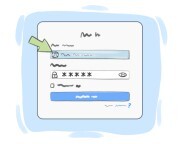
Ex: She booted the computer in safe mode to remove the stubborn virus. 
Close
Sign in
username
username
[noun]

a unique identifier or name chosen by a user to represent themselves or their account in online platforms, websites, or social media
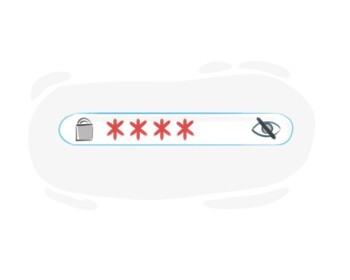
Ex: His username is a combination of his initials and birth year. 
Close
Sign in
password
password
[noun]

a secret group of letters or numbers that allows access to a computer system or service

Ex: Don't forget to change your password regularly for security. 
Close
Sign in
to log in
to log in
[Verb]

to start using a computer system, online account, or application by doing particular actions
Ex: You need to log in to your bank account to transfer money. 
Close
Sign in
to log off

to stop a connection to an online account or computer system by doing specific actions

Ex: I need to log off my work computer before leaving for the day. 
Close
Sign in
cybersecurity

the practice of protecting computer systems, networks, and data from theft, damage, or unauthorized access

Close
Sign in
access
access
[noun]

(computing) the action of reading from or writing to stored data

Close
Sign in
to authenticate

to verify a device, user, or process before an access to the computer's resources is allowed

Ex: The system will authenticate your credentials before granting access. 
Close
Sign in
LanGeek
Download LanGeek app