
pattern

Applied Science and Research - Mechanical Engineering

Study terms related to engines, transmissions, machine components, fluid-power systems, mechanical stress, vibration, lubrication, and machinery.

Review

Flashcards

Spelling

Quiz

Start learning
Words Related to Applied Science and Research
mechanics
mechanics
[noun]

the branch of physics that deals with the study of motion and the behavior of physical systems under the action of forces
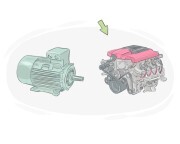
Ex: The mechanics of a moving car involve analyzing the forces acting on it and how they affect its motion. 
Close
Sign in
engine
engine
[noun]

the part of a vehicle that uses a particular fuel to make the vehicle move

Ex: The mechanic repaired the engine of the car, which had been making strange noises. 
Close
Sign in
gearbox
gearbox
[noun]

a system of gears that transmits power from the engine to the wheels

Ex: The gearbox was making a grinding noise. 
Close
Sign in
transmission

the system that transmits power from the engine to the wheels, allowing the vehicle to change speeds

Ex: The transmission needed a fluid change. 
Close
Sign in
piston
piston
[noun]

a solid, round part that moves back and forth inside a hollow tube in an engine or machine, helping to push or pull gases or liquids, or to turn pressure into movement

Ex: The piston moves up and down inside the engine. 
Close
Sign in
cylinder
cylinder
[noun]

a chamber in an engine in which a piston moves

Ex: The car's engine has four cylinders. 
Close
Sign in
shaft
shaft
[noun]

a metal bar in an engine that enables movement and power to be transmitted from one part to another

Close
Sign in
crankshaft

a shaft that converts the up and down motion of the pistons into rotational motion
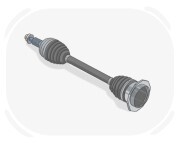
Ex: The crankshaft was damaged and needed replacement. 
Close
Sign in
drive shaft

a mechanical component that transmits rotational power from the engine to the wheels or other driven components of a vehicle or machine
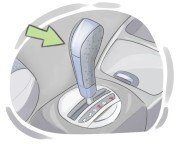
Ex: The driveshaft in the car transfers power from the engine to the rear wheels, enabling forward motion. 
Close
Sign in
bearing
bearing
[noun]

a support between moving parts that reduces friction and allows smooth rotation

Close
Sign in
gear
gear
[noun]

a set of mechanical parts or devices that transmit and control power or motion in a machine or vehicle

Close
Sign in
valve
valve
[noun]

a mechanical device that controls or regulates the flow of fluids, such as liquids, gases, or slurries, by opening, closing, or partially obstructing passageways within a pipe or system

Ex: The valve was turned to stop the water from leaking. 
Close
Sign in
compressor

a mechanical device that compresses gases for storage or power

Ex: The compressor in the refrigerator circulates refrigerant through the coils. 
Close
Sign in
boiler
boiler
[noun]

a closed vessel in which water is heated to create steam or hot water, used for heating buildings, producing electricity, or powering machines

Ex: The building’s boiler provides hot water and heating during the winter. 
Close
Sign in
hydraulics

a branch of science and engineering that deals with the mechanical properties of liquids, particularly their behavior in confined spaces and under pressure

Ex: Many agricultural implements, like tractors and plows, use hydraulics for performing various tasks on the field. 
Close
Sign in
pneumatics

a branch of engineering and physics that deals with the mechanical properties of gases, especially air, and the application of pressurized air to produce motion or mechanical effects

Ex: Pneumatics is commonly used in industries for operating tools and machinery using compressed air. 
Close
Sign in
stress
stress
[noun]

force applied to a material that produces strain or deformation

Ex: The beam experienced stress under heavy load. 
Close
Sign in
strain
strain
[noun]

the change in shape or size of a material when force is applied to it

Close
Sign in
vibration
vibration
[noun]

(physics) a regular back-and-forth movement or oscillation around a central point

Close
Sign in
lubrication

the process of applying a slippery substance to reduce friction and wear between moving surfaces
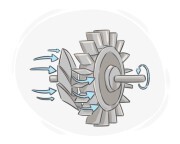
Ex: Proper lubrication keeps the engine running smoothly. 
Close
Sign in
turbine
turbine
[noun]

a machine or engine that produces power from the pressure of a liquid or gas on a turning wheel

Ex: Steam turbines are commonly used in power plants to generate electricity. 
Close
Sign in
pump
pump
[noun]

a mechanical device or machine that is used to move fluids or gases from one place to another by creating a flow or pressure

Ex: The water pump in the car engine ensures that coolant circulates to prevent overheating. 
Close
Sign in
machinery
machinery
[noun]

machines, especially large ones, considered collectively
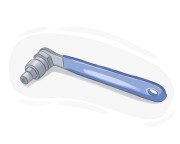
Ex: The factory was filled with heavy machinery, each performing a specific function in the production line. 
Close
Sign in
crank
crank
[noun]

a device that allows movement between mechanical parts of a machine or converts backward and forward motion into circular movement
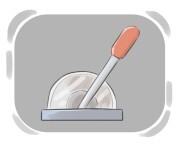
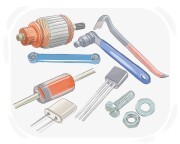
Ex: The engineer used a crank to manually adjust the height of the lifting mechanism. 
Close
Sign in
lever
lever
[noun]

a handle on a piece of equipment or machine that is used to make it operate

Close
Sign in
spare part

a part made for a machine or vehicle that can be used to replace an old or broken part

Ex: He always keeps a spare part for his car in case something needs to be replaced. 
Close
Sign in
LanGeek
Download LanGeek app
