pattern

Vocabulary for IELTS Academic (Band 8-9) - Literature

Here, you will learn some English words related to Literature that are necessary for the Academic IELTS exam.

Review

Flashcards

Forms

Spelling

Quiz

Start learning
Vocabulary for Academic IELTS (8)
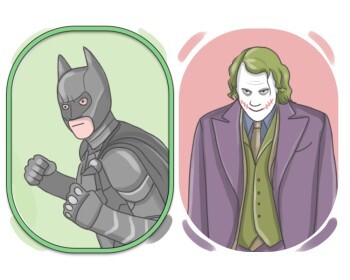
protagonist

the main character in a movie, novel, TV show, etc.
Ex: The protagonist of the novel is a young orphan who embarks on a journey of self-discovery and adventure. 
Close
Sign in
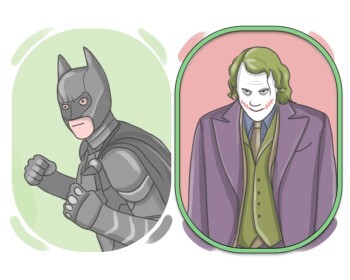
antagonist

villainous character who strongly opposes another person or thing

Ex: The antagonist in the novel was a cunning and ruthless villain, determined to thwart the protagonist's plans at every turn. 
Close
Sign in
supervillain

a fictional character with superpowers who is morally evil

Close
Sign in
conceit
conceit
[noun]

an elaborate or far-fetched poetic image or comparison between very dissimilar things, used in literature

Ex: John Donne's metaphysical poetry is famous for its conceits, such as comparing lovers to a compass. 
Close
Sign in
hyperbole
hyperbole
[noun]

a technique used in speech and writing to exaggerate the extent of something

Ex: His statement that he'd slept for a century was a hyperbole to express his exhaustion. 
Close
Sign in
prolixity
prolixity
[noun]

the fact of having an excessive number of words that results in being tedious

Ex: The professor's lecture was criticized for its prolixity, as many students found the excessive detail and lengthy explanations overwhelming and tedious. 
Close
Sign in
blurb
blurb
[noun]

a short promotional description of a book, motion picture, etc. published on the cover of a book or in an advertisement

Ex: The blurb on the back cover of the novel provides a brief summary of the plot to entice readers. 
Close
Sign in
epigraph
epigraph
[noun]

a quotation or phrase placed at the beginning of a book, chapter, or other written work, often to suggest a theme or context

Ex: The novel opens with an epigraph from T.S. Eliot. 
Close
Sign in
miscellanea

a collection of various items, such as literary pieces, poems, letters, etc., gathered from different sources

Ex: The bookshelves were filled with miscellanea, ranging from ancient artifacts to quirky knick-knacks collected over the years. 
Close
Sign in
pamphleteer

someone who writes pamphlets, especially one who promotes partisan views on political issues

Ex: In the 18th century, Thomas Paine emerged as a prominent pamphleteer, advocating for American independence with works like "Common Sense." 
Close
Sign in
wordsmith
wordsmith
[noun]

someone who uses words skillfully, especially a gifted author

Close
Sign in
Afrofuturism

a cultural and artistic movement that explores the intersection of African and African Diaspora culture with technology and the future

Ex: The film "Black Panther" is often cited as a prime example of Afrofuturism, blending African culture with futuristic technology and themes. 
Close
Sign in
whodunit
whodunit
[noun]

a story, play, movie, etc. about a mystery or murder that the audience cannot solve until the end

Ex: The latest novel by the bestselling author is a gripping whodunit, filled with twists and turns that keep readers guessing until the very end. 
Close
Sign in
codex
codex
[noun]

an ancient book, written by hand, especially of scriptures, classics, etc.

Ex: The museum's prized exhibit is an illuminated codex from the medieval period, featuring intricately detailed illustrations and calligraphy. 
Close
Sign in
parable
parable
[noun]

a short, simple story that teaches a moral lesson

Ex: The teacher used a parable to explain the importance of honesty. 
Close
Sign in
satire
satire
[noun]

humor, irony, ridicule, or sarcasm used to expose or criticize the faults and shortcomings of a person, government, etc.

Ex: Satire in literature often challenges societal norms and conventions. 
Close
Sign in
allegory
allegory
[noun]

a specific story, artwork, or performance that embodies symbolic representation of deeper truths

Ex: The Pilgrim's Progress is a classic allegory depicting the soul's journey toward salvation. 
Close
Sign in
prologue
prologue
[noun]

the beginning section of a movie, book, play, etc. that introduces the work

Ex: The prologue of the novel set the scene for the epic adventure that followed. 
Close
Sign in
epilogue
epilogue
[noun]

a brief section added at the end of a literary work, providing closure, commentary, or resolution

Ex: The novel concluded with an epilogue explaining the characters' futures. 
Close
Sign in
allusion
allusion
[noun]

a statement that implies or indirectly mentions something or someone else, especially as a literary device

Ex: Her comment about "meeting her Waterloo" was an allusion to Napoleon's final defeat, implying she faced an insurmountable challenge. 
Close
Sign in
fable
fable
[noun]

a short story on morality with animal characters

Ex: The fable of "The Tortoise and the Hare" teaches us that slow and steady wins the race. 
Close
Sign in
abridgment

a concise version of a lengthy play, novel, etc.

Ex: The publisher released an abridgment of the classic novel, making it more accessible to modern readers with limited time. 
Close
Sign in
LanGeek
Download LanGeek app