pattern

SAT Exam Essential Vocabulary - Harm and Danger

Here you will learn some English words related to harm and danger, such as "imperil", "toxicity", "corrosive", etc. that you will need to ace your SATs.

Review

Flashcards

Forms

Spelling

Quiz

Start learning
SAT Exam Essential Vocabulary
to jeopardize

to put something or someone in danger
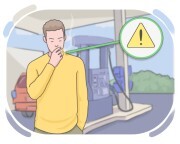
Ex: Ignored warnings jeopardized the safety of those involved .
Close
Sign in
to imperil

to endanger a person or thing

Ex: Continuous disregard for safety measures is imperiling the workplace .
Close
Sign in
to threaten

to indicate a potential danger or risk to someone or something

Ex: The lack of cybersecurity measures could threaten the integrity of sensitive information .
Close
Sign in
to compromise

to put someone or something in danger, particularly by being careless
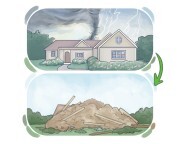
Ex: Ignoring health warnings can compromise one 's overall well-being .
Close
Sign in
to inflict

to cause or impose something unpleasant, harmful, or unwelcome upon someone or something
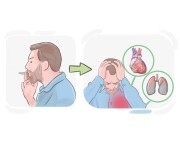
Ex: The war inflicted lasting trauma on the survivors .
Close
Sign in
to afflict

to cause pain, suffering, or distress, often as a result of illness, injury, or hardship
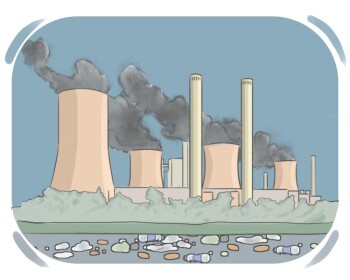
Ex: War has afflicted the region for decades , leaving a legacy of destruction and suffering .
Close
Sign in
to contaminate

to make a place, substance, etc. dirty or harmful by adding dangerous material
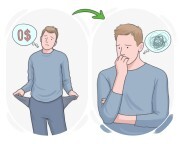
Ex: Oil spills can contaminate beaches and marine ecosystems , causing extensive environmental damage .
Close
Sign in
to trouble

to create problems for someone, resulting in hardship

Ex: The ongoing health issues troubled her , affecting both her physical and mental well-being .
Close
Sign in
to mar
to mar
[Verb]

to cause severe damage or destruction
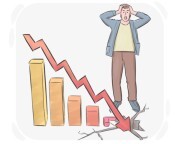
Ex: The economic crisis marred the company 's profitability for several years .
Close
Sign in
to debilitate

to make someone or something weaker or less effective
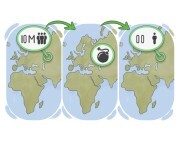
Ex: Malnutrition can debilitate a child 's growth and development , leading to long-term health issues .
Close
Sign in
to decimate

to kill large groups of people

Ex: During the war , conflicts decimated the soldiers on the front lines .
Close
Sign in
to ambush
to ambush
[Verb]

to wait in a concealed location and launch a surprise attack on a target
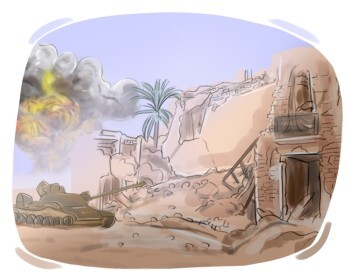
Ex: During the military operation , soldiers were positioned to ambush approaching enemy forces .
Close
Sign in
to ravage
to ravage
[Verb]

to cause severe destruction or damage

Ex: Economic crises can ravage a country 's financial stability and well-being .
Close
Sign in
to sully
to sully
[Verb]

to degrade or tarnish something pure and perfect, especially the reputation of someone

Close
Sign in
to discredit

to make people believe someone or something is not trustworthy or reliable
Ex: Political rivals tried to discredit his leadership by highlighting past controversies .
Close
Sign in
to debunk
to debunk
[Verb]

to reveal the exaggeration or falseness of a belief, claim, idea, etc.

Ex: In his documentary , the filmmaker aimed to debunk conspiracy theories surrounding a famous historical event .
Close
Sign in
toxicity
toxicity
[noun]

the harmful effects or potential for harm caused by a substance to living organisms or the environment

Ex: The scientist developed a method for measuring the toxicity of wastewater discharged into rivers .
Close
Sign in
plight
plight
[noun]

an unpleasant, sad, or difficult situation

Close
Sign in
inoffensive
inoffensive
[Adjective]

unable to cause harm

Close
Sign in
menacing
menacing
[Adjective]

appearing threatening or dangerous

Ex: A menacing figure stood at the end of the alley .
Close
Sign in
hazardous
hazardous
[Adjective]

presenting danger or threat, particularly to people's health or safety

Ex: The hazardous materials spillage required immediate evacuation of the area .
Close
Sign in
inimical
inimical
[Adjective]

not useful for friendly relations or mutual cooperation

Ex: The inimical comments made by the politician towards minority groups sparked outrage and condemnation from the public .
Close
Sign in
poisonous
poisonous
[Adjective]

characterized by a strong intent to harm or cause trouble

Ex: The politician 's poisonous rhetoric fueled division among the constituents .
Close
Sign in
corrosive
corrosive
[Adjective]

having the ability to cause damage or destruction, especially through chemical reactions

Ex: The corrosive influence of negative thinking can undermine mental health .
Close
Sign in
noxious
noxious
[Adjective]

causing harm

Ex: Some plants produce noxious substances to deter predators .
Close
Sign in
inhospitable
inhospitable
[Adjective]

providing an environment where life or growth is difficult or impossible

Ex: The area 's inhospitable soil could n't support the crops they tried to plant .
Close
Sign in
susceptible
susceptible
[Adjective]

easily affected by external factors

Ex: Patients undergoing chemotherapy are advised to avoid live virus vaccines as their immune systems are more susceptible to active infections during treatment .
Close
Sign in
inviolate
inviolate
[Adjective]

not affected, and immune to harm, change, disrespect, or destruction

Ex: The rights of the individuals were upheld inviolate, ensuring no infringement occurred.
Close
Sign in
ominous
ominous
[Adjective]

giving the impression that something bad or unpleasant is going to happen

Ex: His silence during the meeting felt ominous to everyone in the room .
Close
Sign in
devastating
devastating
[Adjective]

causing severe damage, destruction, or emotional distress

Ex: The hurricane had a devastating impact on the coastal town .
Close
Sign in
lethal
lethal
[Adjective]

capable of causing death

Ex: The doctor warned that the patient 's cancer had progressed to a lethal stage , with limited treatment options available .
Close
Sign in
treacherous
treacherous
[Adjective]

posing a hidden or sudden threat

Ex: The political situation was treacherous and could change overnight .
Close
Sign in
irreparable
irreparable
[Adjective]

impossible to become fixed or right again

Close
Sign in
catastrophic
catastrophic
[Adjective]

causing a great deal of harm, suffering, or damage

Ex: The catastrophic loss of biodiversity threatens the stability of ecosystems worldwide .
Close
Sign in
LanGeek
Download LanGeek app