pattern

Cambridge IELTS 19 - Academic - Test 2 - Reading - Passage 2 (1)

Here you can find the vocabulary from Test 2 - Reading - Passage 2 (1) in the Cambridge IELTS 19 - Academic coursebook, to help you prepare for your IELTS exam.

Review

Flashcards

Forms

Spelling

Quiz

Start learning
Cambridge IELTS 19 - Academic
athlete
athlete
[noun]

a person who is good at sports and physical exercise, and often competes in sports competitions

Ex: As a professional athlete, he maintained a strict diet and exercise routine. 
Close
Sign in
demand
demand
[noun]

a situation or requirement that necessitates relief or assistance
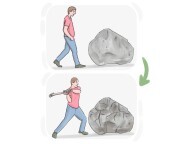
Ex: The flood created a demand for emergency aid. 
Close
Sign in
to handle
to handle
[Verb]

to deal with a situation or problem successfully

Ex: The experienced manager handles challenging projects with ease. 
Close
Sign in
to face
to face
[Verb]

to deal with a given situation, especially an unpleasant one
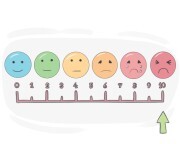
Ex: Employees often face challenges in adapting to new workplace policies. 
Close
Sign in
intense
intense
[Adjective]

very extreme or great

Ex: She felt intense excitement as she approached the finish line. 
Close
Sign in
psychological
psychological
[Adjective]

relating to or affecting the mind or the mental state

Ex: She sought psychological counseling to address her anxiety. 
Close
Sign in
pressure
pressure
[noun]

the stress or challenges that come from the demands of meeting goals or managing responsibilities
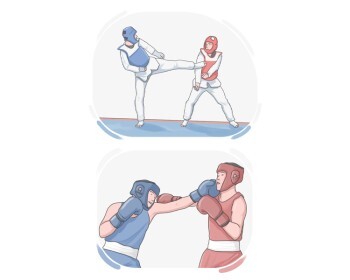
Ex: Students face pressure to perform well on exams. 
Close
Sign in
competition

an event or contest in which individuals or teams compete against each other

Ex: The annual chess competition draws players from around the world. 
Close
Sign in
British
British
[Adjective]

relating to the country, people, or culture of the United Kingdom
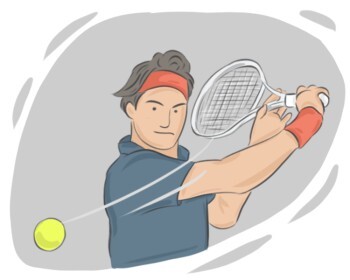
Ex: Shakespeare is one of the most famous British playwrights in history. 
Close
Sign in
tennis player

a person who plays the sport of tennis

Ex: The young tennis player dreamed of winning a Grand Slam. 
Close
Sign in
withdrawal

the act of withdrawing

Close
Sign in
to regulate

to organize or arrange something in a systematic and orderly way to ensure efficiency or compliance

Ex: He worked to regulate the flow of information within the company. 
Close
Sign in
breathing
breathing
[noun]

the action of taking air into the lungs and sending it out again
Ex: Proper breathing techniques are essential in meditation for relaxation. 
Close
Sign in
heart rate

the number of times one's heart fills with and pumps out blood in one minute

Close
Sign in
to attribute to

to assign the cause or ownership of something to a specific person, thing, or factor

Ex: She attributed the success of the project to her team's hard work. 
Close
Sign in
accumulation

several things grouped together or considered as a whole

Close
Sign in
performance

the action or process of carrying out or accomplishing a task, duty, or function, often measured against predetermined standards, goals, or expectations

Ex: The athlete's performance in the race earned them a gold medal. 
Close
Sign in
unavoidable
unavoidable
[Adjective]

unable to be prevented or escaped

Ex: The traffic jam was unavoidable, causing delays for everyone on the road. 
Close
Sign in
factor
factor
[noun]

one of the things that affects something or contributes to it
Ex: Poor weather conditions were a significant factor in the cancellation of the outdoor event. 
Close
Sign in
to respond

to do something or provide a reply based on what others have done or said

Ex: They responded to the emergency by sending medical assistance to the affected area. 
Close
Sign in
event
event
[noun]

anything that takes place, particularly something important
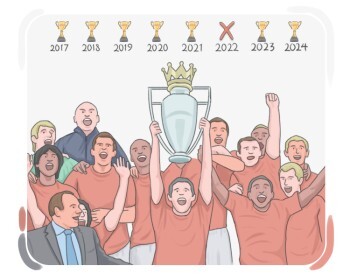
Ex: The wedding was a joyous event that brought family and friends together. 
Close
Sign in
typically
typically
[Adverb]

in a way that usually happens

Ex: The trains are typically punctual, but delays can happen during strikes. 
Close
Sign in
resource
resource
[noun]

qualities, skills, or abilities that help someone manage challenges or accomplish tasks

Ex: She used her emotional resources to cope with the stressful situation. 
Close
Sign in
effort
effort
[noun]

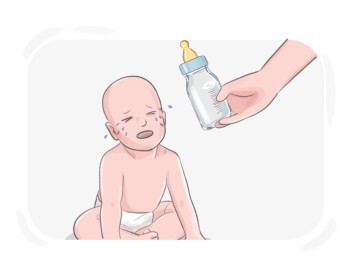
use of physical or mental energy; hard work
Close
Sign in
to require

to need or demand something as necessary for a particular purpose or situation
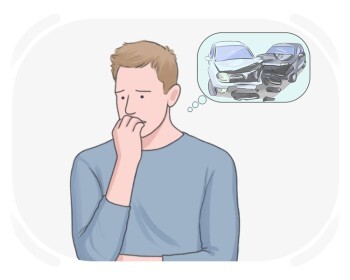
Ex: Completing the advanced course will require a solid understanding of the basics. 
Close
Sign in
concern
concern
[noun]

a feeling of being uneasy, troubled, or worried about something such as problem, threat, uncertainty, etc.

Ex: Her voice trembled with concern as she asked about his recent accident. 
Close
Sign in
injury
injury
[noun]

any physical damage to a part of the body caused by an accident or attack

Ex: After the attack, she had a serious head injury. 
Close
Sign in
on the other (hand|)

used to introduce a contrasting aspect of a situation, especially when comparing it to a previous point
Ex: The job pays well; on the other hand, the hours are extremely long. 
Close
Sign in
to cope
to cope
[Verb]

to handle a difficult situation and deal with it successfully
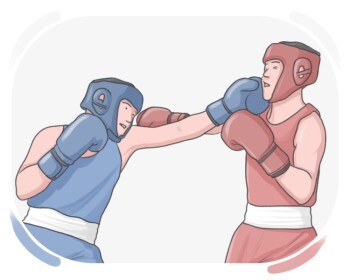
Ex: She copes with work pressure by prioritizing tasks and maintaining a positive mindset. 
Close
Sign in
competitor

someone who competes with others in a sport event

Ex: The marathon attracted thousands of competitors from around the world. 
Close
Sign in
to believe

to hold an opinion that something is the case
Ex: She believes that art can inspire social change. 
Close
Sign in
to control

to have power over a person, company, country, etc. and to decide how things should be done

Ex: The CEO sought to control the company's strategic direction. 
Close
Sign in
to look forward to

to wait with satisfaction for something to happen

Ex: I look forward to the weekend when I can relax and spend time with my family. 
Close
Sign in
circumstance

the conditions or factors that surround and influence a particular situation
Ex: Given the circumstances, they decided to cancel the outdoor event. 
Close
Sign in
to affect
to affect
[Verb]

to cause a change in a person, thing, etc.

Ex: The sudden loss of her job profoundly affected her emotional well-being. 
Close
Sign in
to place
to place
[Verb]

to put or cause someone to be in a particular position or location, especially for a specific purpose or function
Ex: The manager placed the new employees on probation until they completed their training. 
Close
Sign in
likely
likely
[Adjective]

having a possibility of happening or being the case

Ex: The doctor believes it's likely that the patient will make a full recovery with proper treatment. 
Close
Sign in
buzz
buzz
[noun]

an atmosphere of excitement, interest, or lively talk among people

Ex: There was a buzz in the room before the announcement. 
Close
Sign in
to dictate

to control or decide how something should happen or be done

Ex: This situation will dictate how people react. 
Close
Sign in
challenge state

a mental condition where a person believes they have enough ability, energy, and control to handle a difficult situation, which makes them feel confident, focused, and ready to succeed

Ex: A challenge state helps athletes stay calm and strong during big games. 
Close
Sign in
threat state

a mental condition where a person feels they lack enough ability, strength, or control to handle a situation, causing negative emotions like fear and stress, which can harm performance

Ex: Lack of practice pushed the athlete into a threat state. 
Close
Sign in
LanGeek
Download LanGeek app