Cambridge IELTS 19 - Academic "Test 4 - Reading - Passage 2 (2)" Vocabulary

Here you can find the vocabulary from Test 4 - Reading - Passage 2 (2) in the Cambridge IELTS 19 - Academic coursebook, to help you prepare for your IELTS exam.

review-disable

review

flashcard-disable

flashcard

spelling-disable

spelling

quiz-disable

quiz

start-learning
Cambridge IELTS 19 - Academic

to change the form, purpose, character, etc. of something

Ex: They plan to convert the old warehouse into a modern art gallery .

machines, especially large ones, considered collectively

Ex: The factory was filled with heavy machinery , each performing a specific function in the production line .
terrestrial [adjective]

related to or living on land, rather than in the sea or air

Ex: The terrestrial ecosystem of the Amazon rainforest supports a vast diversity of plant and animal species .

to uncover or expose by digging, especially to reveal buried artifacts, structures, or remains
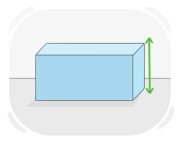
Ex: Miners excavated a coal seam , removing layers of earth to extract the valuable resource .
depth [noun]

the distance below the top surface of something

Ex: The swimming pool 's depth was measured at eight feet , ensuring safety for diving .
to draw [verb]

to bring or gather fluids, such as blood or pus, to a specific area or point in the body
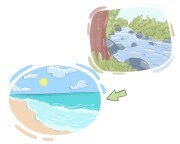
Ex: To treat a splinter , applying a mixture of baking soda and water may help draw the foreign object to the surface .
slurry [noun]

a mixture consisting of a liquid and solid particles suspended within it
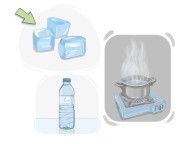
Ex: The chef prepared a slurry of cornstarch and water to thicken the sauce .
solid [adjective]

firm and stable in form, not like a gas or liquid

Ex: The statue was carved from solid marble , giving it a timeless quality .
particle [noun]

a tiny, discrete unit of matter or substance that can range from subatomic particles like electrons and protons to larger particles like dust or sand grains
Ex: The air quality monitor detects harmful particles such as smoke and pollutants in the atmosphere .
surface [noun]

the outermost level of the land or sea

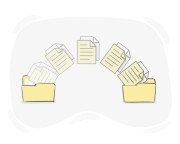
to make a person or thing move from a place, situation, or person to another
Ex: As part of the organizational restructuring , the executive team decided to transfer certain functions to a newly established division .
vessel [noun]

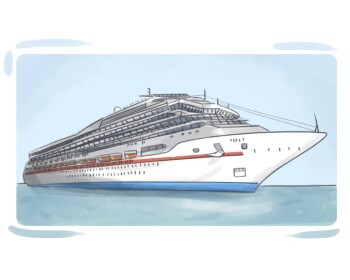
any vehicle designed for travel across or through water

Ex: The cruise vessel offered luxurious accommodations and amenities for its passengers .
shipping [noun]

the act of transporting goods, particularly by sea

Ex: International shipping can be complex , requiring detailed knowledge of customs regulations and import / export laws .

to obtain or isolate a specific substance or component by distillation or other methods of separation
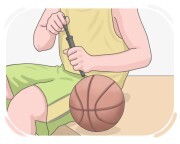
Ex: The coffee connoisseur used a French press to extract the rich flavors and oils from the freshly ground coffee beans .
to pump [verb]

to make gas or liquid move in a certain direction using a mechanical action

Ex: The heart pumps blood throughout the circulatory system to supply the body with oxygen .

to give off or release a substance like gas or liquid
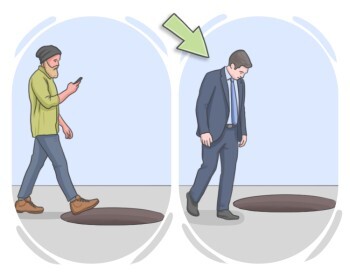
Ex: The car 's exhaust system discharged harmful gasses into the atmosphere , contributing to air pollution .
caution [noun]

the quality of being careful and attentive to possible danger or risk
Ex: Caution is important when handling sharp tools .
potentially [adverb]

in a manner expressing the capability or likelihood of something happening or developing in the future

Ex: The team 's innovative idea could potentially revolutionize the industry .
massive [adjective]

exceptionally large or extensive in scope, degree, or impact

Ex: The new policy led to massive changes in how the organization handles customer service .

an unexpected event that makes a situation more complex

Ex: The decision to cut funding for education had social ramifications , affecting the quality of schools and opportunities for students .
nearby [adjective]

located close to a particular place or within a short distance

Ex: They chose a nearby hotel for their overnight stay .
global [adjective]

regarding or affecting the entire world

Ex: The company operates on a global scale , with offices and operations in multiple countries .
regulatory [adjective]

creating and enforcing rules or regulations to control or govern a particular activity or industry

Ex: The regulatory approval process for new drugs involves rigorous testing to assess their safety and efficacy .

a structure or model guiding organization or development, often with rules or principles
Ex: The economic framework helps policymakers analyze and address issues such as inflation and unemployment .
to draft [verb]

to write something for the first time that needs corrections for the final presentation
Ex: The students were instructed to draft their research papers and then seek feedback from their peers .
despite [preposition]

used to show that something happened or is true, even though there was a difficulty or obstacle that might have prevented it

Ex:

to occupy a particular amount of space or time
Ex: The meeting took up the entire afternoon .
newly [adverb]

at or during a time that is recent

Ex: The policy was newly implemented to address emerging issues .
abyss [noun]

a very deep or seemingly bottomless hole or gorge in the earth or sea
Ex: A narrow bridge stretched across the abyss of the deep canyon .

to have or hold something within or include something as a part of a larger entity or space

Ex: The cupboard contains dishes , cups , and other kitchenware .
nickel [noun]

a hard, silvery, malleable, and corrosion-resistant metallic element used in alloys and plating

Ex: The battery contains nickel as one of its key components .
cobalt [noun]

a chemical element with a shiny, silvery-blue appearance, often used in the production of batteries and other metals and
Ex: Metalworkers often apply a cobalt coating to protect steel from corrosion and enhance its durability .
reserve [noun]

something kept back or saved for future use or a special purpose

a company or group of people that are considered as a single unit by law
Ex: The corporation 's annual report highlighted significant growth in revenue .

to change something in order to add variety to it

Ex: The artist sought to diversify her portfolio by experimenting with different mediums and styles .

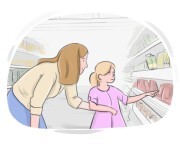
‌to suggest that something is true or is the case
Ex:
demand [noun]

costumer's need or desire for specific goods or services

Ex:
copper [noun]

a metallic chemical element that has a red-brown color, primarily used as a conductor in wiring
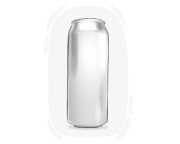
Ex: Plumbing pipes made of copper are known for their durability and resistance to corrosion .
aluminum [noun]

a light silver-gray metal used primarily for making cooking equipment and aircraft parts

Ex: The soda cans are made from recycled aluminum , which helps reduce environmental waste .
to power [verb]

to supply with the needed energy to make something work
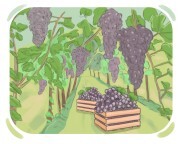
Ex: Wind turbines power the entire town , providing a sustainable energy source .
soaring [adjective]

ascending to a level markedly higher than the usual

to yield [verb]

(of a farm or an industry) to grow or produce a crop or product
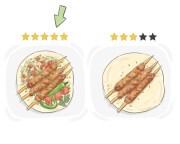
Ex: The fertile soil in this region yields abundant crops of wheat and corn .
far [adverb]

to a large degree

Ex:
superior [adjective]

surpassing others in terms of overall goodness or excellence

Ex: Her superior knowledge of the subject made her the go-to person for advice .
ore [noun]

a rock that contains valuable mineral or metal
Ex: Chile is a major exporter of copper ore .
waste [noun]

materials that have no use and are unwanted

Ex:

the process of obtaining something from a mixture or compound by chemical or physical or mechanical means

to make use of something for a particular purpose

Ex: He employed his negotiation skills to finalize the deal successfully .

to remove water from something like sediment, waste, or other materials

Ex:
Cambridge IELTS 19 - Academic
Test 1 - Listening - Part 1 Test 1 - Listening - Part 2 Test 1 - Listening - Part 3 (1) Test 1 - Listening - Part 3 (2)
Test 1 - Listening - Part 4 (1) Test 1 - Listening - Part 4 (2) Test 1 - Reading - Passage 1 (1) Test 1 - Reading - Passage 1 (2)
Test 1 - Reading - Passage 2 (1) Test 1 - Reading - Passage 2 (2) Test 1 - Reading - Passage 2 (3) Test 1 - Reading - Passage 3 (1)
Test 1 - Reading - Passage 3 (2) Test 1 - Reading - Passage 3 (3) Test 2 - Listening - Part 1 Test 2 - Listening - Part 2 (1)
Test 2 - Listening - Part 2 (2) Test 2 - Listening - Part 3 (1) Test 2 - Listening - Part 3 (2) Test 2 - Listening - Part 4 (1)
Test 2 - Listening - Part 4 (2) Test 2 - Reading - Passage 1 (1) Test 2 - Reading - Passage 1 (2) Test 2 - Reading - Passage 1 (3)
Test 2 - Reading - Passage 2 (1) Test 2 - Reading - Passage 2 (2) Test 2 - Reading - Passage 2 (3) Test 2 - Reading - Passage 3 (1)
Test 2 - Reading - Passage 3 (2) Test 2 - Reading - Passage 3 (3) Test 3 - Listening - Part 1 Test 3 - Listening - Part 2 (1)
Test 3 - Listening - Part 2 (2) Test 3 - Listening - Part 3 (1) Test 3 - Listening - Part 3 (2) Test 3 - Listening - Part 4 (1)
Test 3 - Listening - Part 4 (2) Test 3 - Reading - Passage 1 (1) Test 3 - Reading - Passage 1 (2) Test 3 - Reading - Passage 1 (3)
Test 3 - Reading - Passage 2 (1) Test 3 - Reading - Passage 2 (2) Test 3 - Reading - Passage 2 (3) Test 3 - Reading - Passage 3 (1)
Test 3 - Reading - Passage 3 (2) Test 3 - Reading - Passage 3 (3) Test 3 - Reading - Passage 3 (4) Test 4 - Listening - Part 1 (1)
Test 4 - Listening - Part 1 (2) Test 4 - Listening - Part 2 (1) Test 4 - Listening - Part 2 (2) Test 4 - Listening - Part 3 (1)
Test 4 - Listening - Part 3 (2) Test 4 - Listening - Part 4 (1) Test 4 - Listening - Part 4 (2) Test 4 - Listening - Part 4 (3)
Test 4 - Reading - Passage 1 (1) Test 4 - Reading - Passage 1 (2) Test 4 - Reading - Passage 1 (3) Test 4 - Reading - Passage 2 (1)
Test 4 - Reading - Passage 2 (2) Test 4 - Reading - Passage 2 (3) Test 4 - Reading - Passage 2 (4) Test 4 - Reading - Passage 3 (1)
Test 4 - Reading - Passage 3 (2) Test 4 - Reading - Passage 3 (3) Test 4 - Reading - Passage 3 (4)