pattern

Cambridge IELTS 19 - Academic - Test 4 - Czytanie - Fragment 2 (2)

Ucz się słownictwa z drugiej części Cambridge IELTS 19 Academic, Test 4, Reading Passage 2, z przydatnymi słowami i wyrażeniami z tekstu.

Przegląd

Fiszki

formy

Pisownia

Test
Zacznij naukę
Cambridge IELTS 19 - Academic
to convert
to convert
[Czasownik]

to change the form, purpose, character, etc. of something

przekształcać, konwertować

przekształcać, konwertować

Ex: The company will convert traditional paper records into a digital database for efficiency. 
machinery
machinery
[Rzeczownik]

machines, especially large or complex ones, considered collectively

maszyny,  maszyneria

maszyny, maszyneria

Ex: The company imports industrial machinery from Germany. 
terrestrial
terrestrial
[przymiotnik]

related to or living on land, rather than in the sea or air

lądowy, kontynentalny

lądowy, kontynentalny

Ex: Unlike their aquatic relatives, terrestrial turtles spend most of their lives on land, often in dry, sandy environments. 

W przeciwieństwie do swoich wodnych krewnych, żółwie lądowe spędzają większość życia na lądzie, często w suchych, piaszczystych środowiskach.

to excavate
to excavate
[Czasownik]

to uncover or expose by digging, especially to reveal buried artifacts, structures, or remains

wykopywać, odkopywać

wykopywać, odkopywać

Ex: Miners excavated a coal seam, removing layers of earth to extract the valuable resource. 

Górnicy wykopali pokład węgla, usuwając warstwy ziemi, aby wydobyć cenny zasób.
depth
depth
[Rzeczownik]

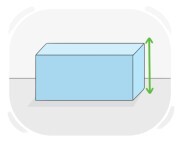
the distance below the top surface of something

głębokość, dno

głębokość, dno

Ex: The depth of the ocean is immeasurable in some areas. 
to draw
to draw
[Czasownik]

to bring or gather fluids, such as blood or pus, to a specific area or point in the body

przyciągać, wydobywać
przyciągać, wydobywać

Ex: The nurse used a sterile needle to carefully make an incision, helping to draw excess fluid out of the swollen area. 
seawater
seawater
[Rzeczownik]

water containing salts

woda morska, słona woda

woda morska, słona woda

slurry
slurry
[Rzeczownik]

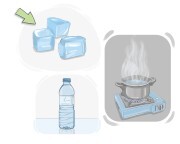
a mixture consisting of a liquid and solid particles suspended within it

szlam, zawiesina

szlam, zawiesina

Ex: The industrial plant discharged a slurry of chemicals into the river, causing pollution. 

Zakład przemysłowy zrzucił zawiesinę chemikaliów do rzeki, powodując zanieczyszczenie.
solid
solid
[przymiotnik]

firm and stable in form, not like a gas or liquid

stały, twardy

stały, twardy

Ex: The ice had formed into a solid block after being left in the freezer overnight. 
particle
particle
[Rzeczownik]

an extremely small separate piece of a substance or material

cząstka,  cząsteczka

cząstka, cząsteczka

Ex: Smoke particles can remain suspended in the air for hours. 
surface
surface
[Rzeczownik]

the outermost level of the land or sea

powierzchnia, poziom

powierzchnia, poziom

Ex: Oil floated on the surface of the lake. 
to transfer
to transfer
[Czasownik]

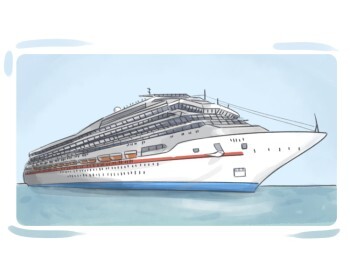
to move someone or something from one place, position, or system to another

przenieść
przenieść

Ex: She transferred the photos from her phone to her computer. 
vessel
vessel
[Rzeczownik]

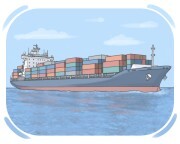
a ship or large boat used for traveling or carrying people or goods on water

statek,  okręt
statek, okręt

Ex: Daniel watched a fishing vessel return to port. 
shipping
shipping
[Rzeczownik]

the act of transporting goods, particularly by sea

wysyłka, transport morski

wysyłka, transport morski

Ex: The cost of shipping has risen due to increased fuel prices and supply chain disruptions. 
to extract
to extract
[Czasownik]

to obtain or isolate a specific substance or component by distillation or other methods of separation

ekstrahować, izolować

ekstrahować, izolować

Ex: The distiller used a specialized apparatus to extract the pure essential oil from the flowers. 
to pump
to pump
[Czasownik]

to force a liquid or gas to move in a particular direction by mechanical pressure or suction

pompować,  tłoczyć

pompować, tłoczyć

Ex: The system is pumping cool air through the building. 
to discharge
to discharge
[Czasownik]

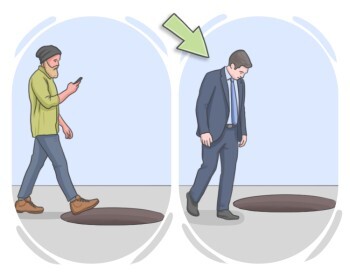
to release or send out a liquid, gas, or other substance

zrzucać,  uwalniać
zrzucać, uwalniać

Ex: The river discharges into the ocean several miles downstream. 
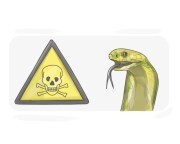
caution
caution
[Rzeczownik]

carefulness intended to avoid danger, mistakes, or undesirable consequences

ostrożność,  rozwaga
ostrożność, rozwaga

Ex: Drivers should exercise caution on icy roads. 
potentially
potentially
[przysłówek]

in a manner expressing the capability or likelihood of something happening or developing in the future

potencjalnie, prawdopodobnie

potencjalnie, prawdopodobnie

Ex: With regular exercise, he may potentially improve his overall health. 

Przy regularnych ćwiczeniach może potencjalnie poprawić swoje ogólne zdrowie.

massive
massive
[przymiotnik]

exceptionally large or extensive in scope, degree, or impact

masywny, ogromny

masywny, ogromny

Ex: His contribution to the research was massive, significantly advancing the field. 

Jego wkład w badania był ogromny, znacząco posuwając dziedzinę do przodu.

ramification
ramification
[Rzeczownik]

an unexpected event that makes a situation more complex

rozgałęzienie, nieprzewidziana konsekwencja

rozgałęzienie, nieprzewidziana konsekwencja

Ex: The decision to cut funding for education had social ramifications, affecting the quality of schools and opportunities for students. 

Decyzja o obcięciu funduszy na edukację miała społeczne konsekwencje, wpływając na jakość szkół i możliwości dla uczniów.

nearby
nearby
[przymiotnik]

located close to a particular place or within a short distance

pobliskie, w pobliżu

pobliskie, w pobliżu

Ex: The nearby cafe serves delicious coffee and pastries. 

Pobliskie kafe serwuje pyszną kawę i ciastka.

global
global
[przymiotnik]

regarding or affecting the entire world

globalny, światowy

globalny, światowy

Ex: The United Nations works to address global challenges such as poverty, hunger, and human rights violations. 

Organizacja Narodów Zjednoczonych pracuje nad rozwiązaniem globalnych wyzwań, takich jak ubóstwo, głód i naruszenia praw człowieka.
regulatory
regulatory
[przymiotnik]

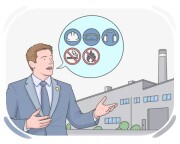
creating and enforcing rules or regulations to control or govern a particular activity or industry

regulacyjny, regulujący

regulacyjny, regulujący

Ex: The regulatory agency oversees the safety standards in the pharmaceutical industry. 
framework
framework
[Rzeczownik]

a structure or model guiding organization or development, often with rules or principles

ramy, struktura

ramy, struktura

Ex: The legal framework outlines the rules and regulations governing business operations. 
to draft
to draft
[Czasownik]

to write something for the first time that needs corrections for the final presentation

sporządzać szkic, pisać wersję wstępną
sporządzać szkic, pisać wersję wstępną

Ex: As a screenwriter, he understood the importance of drafting scenes before finalizing the screenplay. 
despite
despite
[Przyimek]

used to show that something happened or is true, even though there was a difficulty or obstacle that might have prevented it

pomimo, mimo

pomimo, mimo

Ex: The business thrived despite the economic downturn. 
to take up
to take up
[Czasownik]

to occupy a particular amount of space or time

zajmować, zabierać

zajmować, zabierać

Ex: She took the entire shelf up with her books. 

Ona zajęła całą półkę swoimi książkami.

newly
newly
[przysłówek]

at or during a time that is recent

nowo, niedawno

nowo, niedawno

Ex: He is newly appointed as the team leader. 

Został nowo mianowany liderem zespołu.

abyss
abyss
[Rzeczownik]

a very deep or seemingly bottomless hole or gorge in the earth or sea

otchłań, przepaść

otchłań, przepaść

Ex: The explorers lowered their equipment into the dark abyss beneath the cave entrance. 

Odkrywcy opuścili swój sprzęt w ciemną otchłań pod wejściem do jaskini.

to contain
to contain
[Czasownik]

to have or hold something within or include something as a part of a larger entity or space

zawierać, obejmować

zawierać, obejmować

Ex: The box regularly contains various items like books and documents. 
nickel
nickel
[Rzeczownik]

a hard, silvery, malleable, and corrosion-resistant metallic element used in alloys and plating

nikiel, nikiel

nikiel, nikiel

Ex: Nickel plating enhances the appearance and longevity of metals. 

Niklowanie poprawia wygląd i trwałość metali.

cobalt
cobalt
[Rzeczownik]

a chemical element with a shiny, silvery-blue appearance, often used in the production of batteries and other metals and

kobalt, pierwiastek chemiczny o błyszczącym

kobalt, pierwiastek chemiczny o błyszczącym

Ex: Vitamin B12, containing cobalt, is important for maintaining healthy nerve cells. 

Witamina B12, zawierająca kobalt, jest ważna dla utrzymania zdrowych komórek nerwowych.

reserve
reserve
[Rzeczownik]

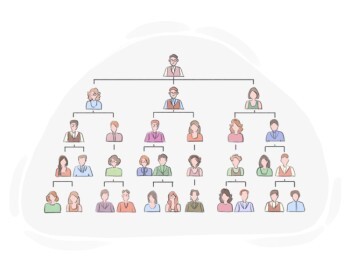
a supply of something stored for future need or contingency

rezerwa,  zapas
rezerwa, zapas

Ex: The bank holds a reserve of cash to cover unexpected withdrawals. 
corporation
corporation
[Rzeczownik]

a company or group of people that are considered as a single unit by law

korporacja, przedsiębiorstwo
korporacja, przedsiębiorstwo

Ex: The corporation expanded its operations into international markets last year. 
to diversify
to diversify
[Czasownik]

to change something in order to add variety to it

dywersyfikować, urozmaicać

dywersyfikować, urozmaicać

Ex: The teacher diversified the lesson plans by incorporating hands-on activities, group discussions, and multimedia presentations. 

Nauczyciel zróżnicował plany lekcji, włączając w nie zajęcia praktyczne, dyskusje grupowe i prezentacje multimedialne.

to point to
to point to
[Czasownik]

‌to suggest that something is true or is the case

wskazywać na, sugerować

wskazywać na, sugerować

Ex: All signs point to a strong economic recovery next year. 

Wszystkie znaki wskazują na silne ożywienie gospodarcze w przyszłym roku.

demand
demand
[Rzeczownik]

costumer's need or desire for specific goods or services

popyt

popyt

Ex: The demand for electric vehicles has been steadily increasing as consumers seek more sustainable transportation options. 
copper
copper
[Rzeczownik]

a reddish-brown metallic chemical element that conducts heat and electricity well and is widely used in electrical wiring and alloys

miedź,  miedź czerwona
miedź, miedź czerwona

Ex: Copper conducts both heat and electricity efficiently. 
aluminum
aluminum
[Rzeczownik]

a light silver-gray metal used primarily for making cooking equipment and aircraft parts

aluminium, aluminium

aluminium, aluminium

Ex: Aluminum foil is commonly used to wrap food because it provides a barrier against moisture, light, and air. 

Aluminium jest powszechnie stosowane do pakowania żywności, ponieważ stanowi barierę przed wilgocią, światłem i powietrzem.

to power
to power
[Czasownik]

to supply with the needed energy to make something work

zasilać,  dostarczać energii
zasilać, dostarczać energii

Ex: Solar panels are used to power many homes in the neighborhood, reducing reliance on fossil fuels. 
soaring
soaring
[przymiotnik]

ascending to a level markedly higher than the usual

wzrastający, rosnący

wzrastający, rosnący

to yield
to yield
[Czasownik]

(of a farm or an industry) to grow or produce a crop or product

produkować, dawać
produkować, dawać

Ex: The apple orchard typically yields a bountiful harvest each year. 
far
far
[przysłówek]

to a large degree

znacznie, o wiele

znacznie, o wiele

Ex: She was far more talented than her peers. 
superior
superior
[przymiotnik]

better than another person or thing in quality, value, ability, or performance

lepszy, wyższy

lepszy, wyższy

Ex: His technical skills proved superior to those of the other applicants. 
ore
ore
[Rzeczownik]

a rock that contains valuable mineral or metal

ruda, minerał

ruda, minerał

Ex: Smelting separates metal from ore using high heat. 

Wytapianie oddziela metal od rudy za pomocą wysokiej temperatury.
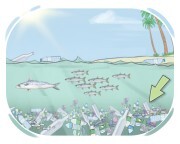
waste
waste
[Rzeczownik]

materials that have no use and are unwanted

odpady, śmieci

odpady, śmieci

Ex: Plastic waste poses a significant threat to marine ecosystems, with millions of tons of plastic entering oceans each year and endangering marine life. 
extraction
extraction
[Rzeczownik]

the process of obtaining something from a mixture or compound by chemical or physical or mechanical means

ekstrakcja, wydobycie

ekstrakcja, wydobycie

to employ
to employ
[Czasownik]

to make use of something for a particular purpose

używać, zatrudniać

używać, zatrudniać

Ex: The teacher employed visual aids to make the lesson more engaging. 
to dewater
to dewater
[Czasownik]

to remove water from something like sediment, waste, or other materials

odwadniać, usuwać wodę

odwadniać, usuwać wodę

Ex: The company dewaters sewage sludge before disposal. 

Firma odwadnia osady ściekowe przed utylizacją.

LanGeek
Pobierz aplikację LanGeek