
Cambridge IELTS 19 - Académique - Test 4 - Lecture - Passage 2 (2)
Apprenez le vocabulaire de la deuxième partie du Cambridge IELTS 19 Academic, Test 4, Reading Passage 2, avec des mots et expressions utiles du texte.
Réviser
Flashcards
formes
Orthographe
Quiz
to change the form, purpose, character, etc. of something

transformer

machines, especially large or complex ones, considered collectively
machinerie, machines
related to or living on land, rather than in the sea or air
terrestre
Alors que les dauphins et les baleines dominent les océans, les lions et les éléphants sont parmi les rois des habitats terrestres.
to uncover or expose by digging, especially to reveal buried artifacts, structures, or remains
creuser
Les plongeurs ont excaver une épave, remontant des canons, de la poterie et d'autres artefacts des fonds marins.
the distance below the top surface of something
profondeur
to bring or gather fluids, such as blood or pus, to a specific area or point in the body
attirer, extraire
a mixture consisting of a liquid and solid particles suspended within it
boue, liquide chargé
Le mineur a utilisé une boue d'eau et de roche concassée pour extraire des minéraux précieux.
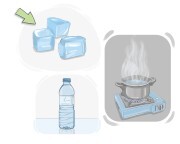
firm and stable in form, not like a gas or liquid
solide
an extremely small separate piece of a substance or material
particule, particule fine
the outermost level of the land or sea
surface, niveau
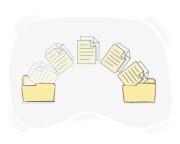
to move someone or something from one place, position, or system to another
transférer
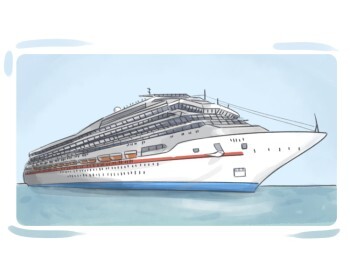
a ship or large boat used for traveling or carrying people or goods on water
vaisseau
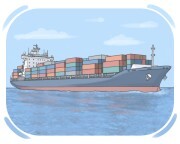
the act of transporting goods, particularly by sea
transport maritime
to obtain or isolate a specific substance or component by distillation or other methods of separation
extraire, isoler
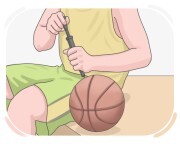
to force a liquid or gas to move in a particular direction by mechanical pressure or suction
pomper
to release or send out a liquid, gas, or other substance
déverser, rejeter
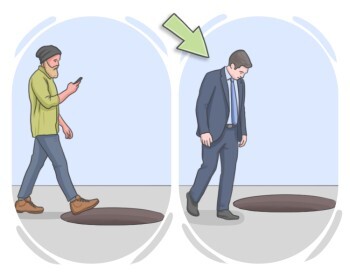
carefulness intended to avoid danger, mistakes, or undesirable consequences
prudence, précaution
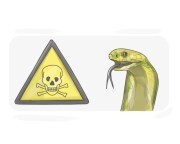
in a manner expressing the capability or likelihood of something happening or developing in the future
potentiellement
Elle est potentiellement éligible à la bourse en fonction de ses réalisations académiques.
exceptionally large or extensive in scope, degree, or impact
massif, énorme
Le concert a été un énorme succès, attirant des fans de tout le pays.
an unexpected event that makes a situation more complex
ramification
La décision de déménager a eu des ramifications inattendues, entraînant des défis logistiques et des coûts accrus.
located close to a particular place or within a short distance
proche, à proximité
Le parc à proximité est un endroit populaire pour les pique-niques.

regarding or affecting the entire world
mondial, planétaire
Le changement climatique est un problème mondial qui nécessite une action collective de la part des nations du monde entier.
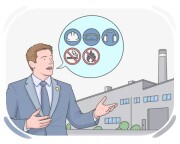
creating and enforcing rules or regulations to control or govern a particular activity or industry
réglementaire
a structure or model guiding organization or development, often with rules or principles
cadre, structure
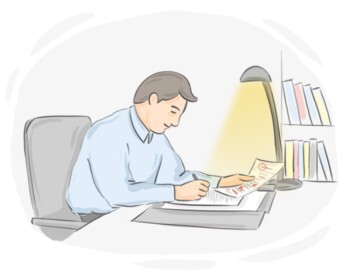
to write something for the first time that needs corrections for the final presentation
faire le brouillon, écrire au brouillon
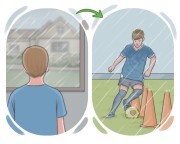
used to show that something happened or is true, even though there was a difficulty or obstacle that might have prevented it
malgré, en dépit de

to occupy a particular amount of space or time
prendre
Le nouveau projet a occupé une partie importante de leur emploi du temps.
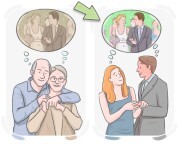
at or during a time that is recent
récemment, nouvellement, fraîchement
Le bâtiment était nouvellement construit et ouvert au public.
a very deep or seemingly bottomless hole or gorge in the earth or sea
abîme
Les alpinistes regardaient nerveusement dans l'abîme sous le bord de la falaise.
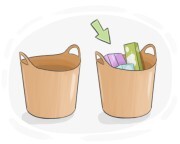
to have or hold something within or include something as a part of a larger entity or space
contenir
a hard, silvery, malleable, and corrosion-resistant metallic element used in alloys and plating
nickel
Le nickel est couramment utilisé dans la production d'acier inoxydable.
a chemical element with a shiny, silvery-blue appearance, often used in the production of batteries and other metals and
cobalt, un élément chimique avec une apparence brillante
Les batteries rechargeables dépendent du cobalt pour un stockage efficace de l'énergie dans les appareils électroniques.
a supply of something stored for future need or contingency
réserve, réserve de précaution
a company or group of people that are considered as a single unit by law
société
to change something in order to add variety to it
diversifier
L'artiste cherche à diversifier son style artistique en explorant diverses techniques.

to suggest that something is true or is the case
désigner
Les symptômes indiquent une possible infection.
costumer's need or desire for specific goods or services
demande

a reddish-brown metallic chemical element that conducts heat and electricity well and is widely used in electrical wiring and alloys
cuivre
a light silver-gray metal used primarily for making cooking equipment and aircraft parts
aluminum
Les ingénieurs préfèrent l'aluminium pour la construction d'aéronefs en raison de son excellent rapport résistance/poids.

to supply with the needed energy to make something work
alimenter
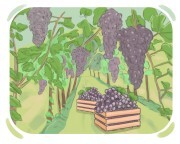
(of a farm or an industry) to grow or produce a crop or product
produire
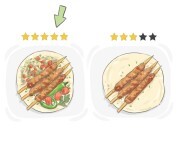
better than another person or thing in quality, value, ability, or performance
supérieur, meilleur
a rock that contains valuable mineral or metal
minerai, minéral
Le minerai d'or se trouve souvent dans les veines de quartz.
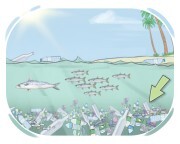
materials that have no use and are unwanted
déchets
the process of obtaining something from a mixture or compound by chemical or physical or mechanical means
extraction, l'extraction
to make use of something for a particular purpose
employer
to remove water from something like sediment, waste, or other materials
assécher, déshydrater
Les ingénieurs ont asséché le tunnel pour continuer à creuser.
| Cambridge IELTS 19 - Académique | |||
|---|---|---|---|
| Test 4 - Lecture - Passage 2 (2) | Test 4 - Lecture - Passage 2 (3) | Test 4 - Lecture - Passage 2 (4) | Test 4 - Lecture - Passage 3 (1) |
| Test 4 - Lecture - Passage 3 (2) | Test 4 - Lecture - Passage 3 (3) | Test 4 - Lecture - Passage 3 (4) | |
