pattern

Cambridge IELTS 19 - Academic - Test 4 - Čtení - Úryvek 2 (2)

Naučte se slovní zásobu z druhé části Cambridge IELTS 19 Academic, Test 4, Reading Passage 2, s užitečnými slovy a výrazy z textu.

Revize

Kartičky

tvary

Pravopis

Kvíz

Začněte se učit
Cambridge IELTS 19 - Academic
to convert
to convert
[sloveso]

to change the form, purpose, character, etc. of something

přeměnit, konvertovat

přeměnit, konvertovat

Ex: They converted the old warehouse into apartments. 
machinery
machinery
[Podstatné jméno]

machines, especially large or complex ones, considered collectively

stroje,  strojní zařízení

stroje, strojní zařízení

Ex: Several pieces of machinery were damaged in the fire. 
terrestrial
terrestrial
[Přídavné jméno]

related to or living on land, rather than in the sea or air

pozemský, kontinentální

pozemský, kontinentální

Ex: Scientists study terrestrial biomes to understand how different climates and terrains affect the distribution of land-based organisms. 

Vědci studují suchozemské biomy, aby pochopili, jak různé podnebí a terény ovlivňují rozložení suchozemských organismů.

to excavate
to excavate
[sloveso]

to uncover or expose by digging, especially to reveal buried artifacts, structures, or remains

vykopat, odkrýt

vykopat, odkrýt

Ex: Paleontologists excavated a dinosaur fossil, carefully removing layers of sediment to reveal the skeleton. 

Paleontologové vykopali dinosauří fosilii, opatrně odstranili vrstvy sedimentu, aby odhalili kostru.
depth
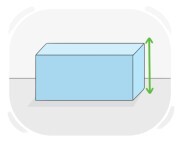
depth
[Podstatné jméno]

the distance below the top surface of something

hloubka, dno

hloubka, dno

Ex: The depth of the ocean is immeasurable in some areas. 
to draw
to draw
[sloveso]

to bring or gather fluids, such as blood or pus, to a specific area or point in the body

přitáhnout, vytáhnout
přitáhnout, vytáhnout

Ex: The warm compress was used to draw the infection toward the surface. 
seawater
seawater
[Podstatné jméno]

water containing salts

mořská voda, slaná voda

mořská voda, slaná voda

slurry
slurry
[Podstatné jméno]

a mixture consisting of a liquid and solid particles suspended within it

kal, suspenze

kal, suspenze

Ex: The dentist used a slurry of abrasive particles to polish the patient's teeth. 

Zubař použil suspenzi abrazivních částic k vyleštění pacientových zubů.
solid
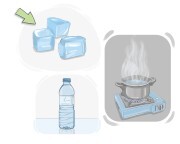
solid
[Přídavné jméno]

firm and stable in form, not like a gas or liquid

pevný, stabilní

pevný, stabilní

Ex: The ice had formed into a solid block after being left in the freezer overnight. 
particle
particle
[Podstatné jméno]

an extremely small separate piece of a substance or material

částice,  částečka

částice, částečka

Ex: The scientist examined a small particle of metal under the microscope. 
surface
surface
[Podstatné jméno]

the outermost level of the land or sea

povrch, úroveň

povrch, úroveň

Ex: The roots spread just beneath the surface of the soil. 
to transfer
to transfer
[sloveso]

to move someone or something from one place, position, or system to another

přesunout
přesunout

Ex: She transferred the photos from her phone to her computer. 
vessel
vessel
[Podstatné jméno]

a ship or large boat used for traveling or carrying people or goods on water

plavidlo,  loď
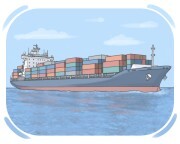
plavidlo, loď

Ex: The storm forced the vessel to change course. 
shipping
shipping
[Podstatné jméno]

the act of transporting goods, particularly by sea

doprava, námořní doprava

doprava, námořní doprava

Ex: Efficient shipping logistics are crucial for global businesses to ensure timely delivery of products to customers. 
to extract
to extract
[sloveso]

to obtain or isolate a specific substance or component by distillation or other methods of separation

extrakt, izolovat
extrakt, izolovat

Ex: The distiller used a specialized apparatus to extract the pure essential oil from the flowers. 
to pump
to pump
[sloveso]

to force a liquid or gas to move in a particular direction by mechanical pressure or suction

čerpat,  pumpovat

čerpat, pumpovat

Ex: They had pumped most of the water out of the basement by morning. 
to discharge
to discharge
[sloveso]

to release or send out a liquid, gas, or other substance

vypouštět,  uvolňovat
vypouštět, uvolňovat

Ex: The damaged container began discharging oil onto the road. 
caution
caution
[Podstatné jméno]

carefulness intended to avoid danger, mistakes, or undesirable consequences

opatrnost,  obezřetnost
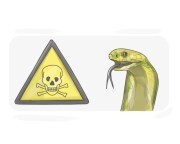
opatrnost, obezřetnost

Ex: The researchers treated the unexpected result with caution. 
potentially
potentially
[Příslovce]

in a manner expressing the capability or likelihood of something happening or developing in the future

potenciálně, pravděpodobně

potenciálně, pravděpodobně

Ex: The data breach could potentially lead to a loss of sensitive information. 

Únik dat by mohl potenciálně vést ke ztrátě citlivých informací.

massive
massive
[Přídavné jméno]

exceptionally large or extensive in scope, degree, or impact

masivní, ohromný

masivní, ohromný

Ex: The media coverage of the event was massive, with news outlets around the world reporting on it. 

Médiální pokrytí události bylo masivní, s novinovými zdroji po celém světě, které o tom informovaly.

ramification
ramification
[Podstatné jméno]

an unexpected event that makes a situation more complex

větvení, nepředvídaný důsledek

větvení, nepředvídaný důsledek

Ex: Changing the schedule had unforeseen ramifications, causing confusion among team members. 

Změna rozvrhu měla nepředvídané následky, což způsobilo zmatek mezi členy týmu.

nearby
nearby
[Přídavné jméno]

located close to a particular place or within a short distance

blízký, v blízkosti

blízký, v blízkosti

Ex: There are several nearby hiking trails to explore. 

K prozkoumání je několik blízkých turistických stezek.

global
global
[Přídavné jméno]

regarding or affecting the entire world

globální, světový

globální, světový

Ex: The internet enables global communication and access to information across continents. 

Internet umožňuje globální komunikaci a přístup k informacím napříč kontinenty.
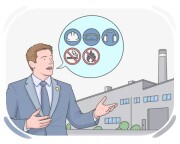
regulatory
regulatory
[Přídavné jméno]

creating and enforcing rules or regulations to control or govern a particular activity or industry

regulační, regulatorní

regulační, regulatorní

Ex: The airline industry is subject to strict regulatory oversight to ensure passenger safety. 
framework
framework
[Podstatné jméno]

a structure or model guiding organization or development, often with rules or principles

rámec, struktura

rámec, struktura

Ex: The legal framework outlines the rules and regulations governing business operations. 
to draft
to draft
[sloveso]

to write something for the first time that needs corrections for the final presentation

vypracovat návrh, napsat první verzi
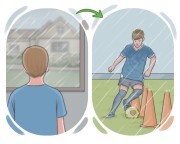
vypracovat návrh, napsat první verzi

Ex: She drafted an email before sending it to her manager. 
despite
despite
[předložka]

used to show that something happened or is true, even though there was a difficulty or obstacle that might have prevented it

navzdory, přestože

navzdory, přestože

Ex: The business thrived despite the economic downturn. 
to take up
to take up
[sloveso]

to occupy a particular amount of space or time

zabírat, vzít

zabírat, vzít

Ex: The painting takes up a considerable amount of wall space. 

Obraz zabírá značné množství prostoru na zdi.

newly
newly
[Příslovce]

at or during a time that is recent

nově, nedávno

nově, nedávno

Ex: The company introduced a newly developed product. 

Společnost představila nově vyvinutý produkt.

abyss
abyss
[Podstatné jméno]

a very deep or seemingly bottomless hole or gorge in the earth or sea

propast, hlubina

propast, hlubina

Ex: The explorers lowered their equipment into the dark abyss beneath the cave entrance. 

Objevitelé spustili své vybavení do temné propasti pod vchodem do jeskyně.
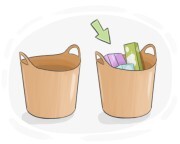
to contain
to contain
[sloveso]

to have or hold something within or include something as a part of a larger entity or space

obsahovat, zahrnovat

obsahovat, zahrnovat

Ex: The box regularly contains various items like books and documents. 
nickel
nickel
[Podstatné jméno]

a hard, silvery, malleable, and corrosion-resistant metallic element used in alloys and plating

nikl, nikl

nikl, nikl

Ex: The engineer selected nickel for its strength and durability. 

Inženýr vybral nikl pro jeho pevnost a trvanlivost.

cobalt
cobalt
[Podstatné jméno]

a chemical element with a shiny, silvery-blue appearance, often used in the production of batteries and other metals and

kobalt, chemický prvek se lesklým

kobalt, chemický prvek se lesklým

Ex: Foods like meat, fish, and dairy products are good sources of cobalt indirectly through vitamin B12. 

Potraviny jako maso, ryby a mléčné výrobky jsou dobrým zdrojem kobaltu nepřímo prostřednictvím vitaminu B12.

reserve
reserve
[Podstatné jméno]

a supply of something stored for future need or contingency

rezerva,  zásoba
rezerva, zásoba

Ex: The bank holds a reserve of cash to cover unexpected withdrawals. 
corporation
corporation
[Podstatné jméno]

a company or group of people that are considered as a single unit by law

společnost, korporace
společnost, korporace

Ex: The corporation expanded its operations into international markets last year. 
to diversify
to diversify
[sloveso]

to change something in order to add variety to it

diverzifikovat, obměňovat

diverzifikovat, obměňovat

Ex: The chef decided to diversify the menu by incorporating new flavors and ingredients. 

Šéfkuchař se rozhodl diverzifikovat menu začleněním nových chutí a ingrediencí.

to point to
to point to
[sloveso]

‌to suggest that something is true or is the case

poukazovat na, naznačovat

poukazovat na, naznačovat

Ex: Her consistent good grades point to her dedication and hard work. 

Její stálé dobré známky ukazují na její oddanost a tvrdou práci.
demand
demand
[Podstatné jméno]

costumer's need or desire for specific goods or services

poptávka

poptávka

Ex: The demand for electric vehicles has been steadily increasing as consumers seek more sustainable transportation options. 
copper
copper
[Podstatné jméno]

a reddish-brown metallic chemical element that conducts heat and electricity well and is widely used in electrical wiring and alloys

měď,  červená měď
měď, červená měď

Ex: The pipes were made from copper. 
aluminum
aluminum
[Podstatné jméno]

a light silver-gray metal used primarily for making cooking equipment and aircraft parts

hliník, hliník

hliník, hliník

Ex: The bicycle frame is made from aluminum, making it easier to carry and maneuver compared to traditional steel frames. 

Rám kola je vyroben z hliníku, což usnadňuje jeho přenášení a ovládání ve srovnání s tradičními ocelovými rámy.

to power
to power
[sloveso]

to supply with the needed energy to make something work

napájet,  zásobovat energií
napájet, zásobovat energií

Ex: Solar panels are used to power many homes in the neighborhood, reducing reliance on fossil fuels. 
soaring
soaring
[Přídavné jméno]

ascending to a level markedly higher than the usual

stoupající, vzestupný

stoupající, vzestupný

to yield
to yield
[sloveso]

(of a farm or an industry) to grow or produce a crop or product

produkovat, dávat
produkovat, dávat

Ex: The apple orchard typically yields a bountiful harvest each year. 
far
far
[Příslovce]

to a large degree

mnohem, výrazně

mnohem, výrazně

Ex: She was far more talented than her peers. 
superior
superior
[Přídavné jméno]

better than another person or thing in quality, value, ability, or performance

nadřazený, lepší

nadřazený, lepší

Ex: The newer treatment produced superior results in the study. 
ore
ore
[Podstatné jméno]

a rock that contains valuable mineral or metal

ruda, minerál

ruda, minerál

Ex: The geologist identified the ore as bauxite, a source of aluminum. 

Geolog identifikoval rudu jako bauxit, zdroj hliníku.
waste
waste
[Podstatné jméno]

materials that have no use and are unwanted

odpad, smetí

odpad, smetí

Ex: Recycling helps reduce the amount of waste sent to landfills. 
extraction
extraction
[Podstatné jméno]

the process of obtaining something from a mixture or compound by chemical or physical or mechanical means

extrakce, vytěžení

extrakce, vytěžení

to employ
to employ
[sloveso]

to make use of something for a particular purpose

používat, zaměstnávat

používat, zaměstnávat

Ex: The teacher employed visual aids to make the lesson more engaging. 
to dewater
to dewater
[sloveso]

to remove water from something like sediment, waste, or other materials

odvodnit, odstranit vodu

odvodnit, odstranit vodu

Ex: The plant dewaters waste to make it easier to handle. 

Závod odvodňuje odpad, aby se s ním lépe manipulovalo.

LanGeek
Stáhnout aplikaci LanGeek