
Seznam Slovíček Úrovně C2 - Hudba
Zde se naučíte všechna základní slova pro mluvení o hudbě, shromážděná speciálně pro studenty úrovně C2.
Revize
Kartičky
Pravopis
Kvíz


a musical technique where the notes of a chord are played individually in a sequence rather than simultaneously

arpeggio
Jazzová improvizace často zahrnuje použití arpeggií k plynulému a kreativnímu procházení akordových postupů.
the quality that marks the absence of a key in a musical composition
atonálnost, absence tóniny
Pianistovo ovládání atonality mu umožnilo předvést avantgardní skladbu s neuvěřitelnou hloubkou a citlivostí.
a musical composition in which two or more independent melodies are played or sung simultaneously, creating harmony and interplay
kontrapunkt
Skladba ilustruje principy kontrapunktu v barokní hudbě.
the text of a musical play, an opera, or other extended vocal works
libreto, text opery
Libreto nové opery bylo chváleno pro svou lyrickou krásu a schopnost vyjádřit složité emoce jednoduchým, ale silným jazykem.
a performance of a musical composition, dramatic role, or other artistic work
provedení, interpretace
Klavírista přednesl dojemnou interpretaci Chopina nokturna.
a solo section at the end of a musical piece for the performer to show their skill and creativity
kadence
Skladatel zařadil kadenci blízko konce skladby, což umožnilo sólistovi zazářit dramatickým a složitým pasážem.
a musical composition in moderate triple time, popular in the baroque era
čakona
Na recitálu hudebníkovo provedení chaconne prokázalo nejen technickou zručnost, ale také hluboké porozumění baroknímu stylu.
a short and simple song or poem
písnička, báseň
Rádio přehrálo písničku, která se brzy zaryla do hlavy všem, a lidé si ji broukali dlouho po skončení vysílání.
an instrumental composition marked with irregular form and improvisation, expressing strong emotions
rapsodie, instrumentální skladba s nepravidelnou formou a improvizací
Napsala upřímnou rapsodii pro sólové housle a orchestr, vyjadřující její emoce a zážitky prostřednictvím vznosných melodií a bohatých harmonií.
a stock of plays, songs, dances, etc. that a company or a performer is prepared to perform
repertoár, zásoba
Repertoár orchestru zahrnoval širokou škálu hudebních stylů a období, od baroka po současnost, což jim umožňovalo přizpůsobit své programy různým publikům a místům.
the part in harmonic music or the voice with the highest pitch that belongs to a boy or female vocalist
vysoký hlas, soprán
Houslista pilně cvičil vysoké pasáže, usiloval o bezchybné provedení v nadcházejícím koncertě.
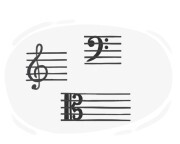
any of the signs written on the left-hand end of a staff indicating the pitch of the notes
klíč, clef
Ve středověké hudební notaci se klíč sol podobal malému písmenu "g" a označoval pozici noty "G" na osnově.
the process of changing the style or form by a musician in order to appeal to a wider range of people
přechod, crossover
Remix DJ byl crossover hitem, který kombinoval prvky house a reggae, aby vytvořil senzaci na tanečním parketu.
a raw, unpolished, and low-fidelity music production or recording style characterized by a DIY aesthetic and nostalgic or vintage vibes
lo-fi, lo-fi hudba
Filmař použil lo-fi vizuální a zvukové efekty, aby vyvolal pocit nostalgie za minulou érou ve svém experimentálním krátkém filmu.
a singing method that uses a system of vocal syllables to represent musical pitches in order to facilitate sight-singing and ear training
solfège
Použil jsem solmizaci, abych si zapamatoval melodii mé oblíbené písně.
a short, repeated musical pattern found in both jazz and popular music, serving as a prominent and recognizable element within a song or composition
riff, opakující se hudební motiv
Sólista předvedl své dovednosti působivým kytarovým riffem.
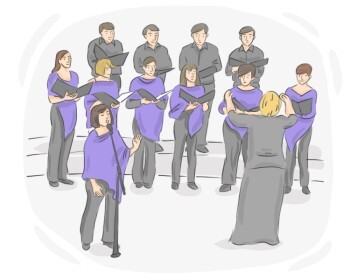
a collective of musicians performing together
soubor, skupina
Pěvecký soubor během koncertu krásně harmonizoval.
a short and lively ceremonial sounding of trumpets or other brass instruments, usually to announce something important
fanfára, zvuk trubky
Hudba k filmu obsahovala vítěznou fanfáru během vrcholné bitevní scény, což zvýšilo napětí a vzrušení okamžiku.
a device that helps musicians regulate their desired speed and rhythm
metronom, tempo měřič
Houslista považoval metronom za nepostradatelný při cvičení obtížných pasáží, což mu umožnilo postupně zvyšovat rychlost bez obětování kontroly.
a technique in music for string instruments where the bow bounces lightly off the strings, creating short, crisp notes
spiccato, odrážející se
Spiccato se běžně používá v barokní hudbě pro expresivní efekt.
the place in front of the stage, which is slightly lower, where an orchestra sits and performs for an opera, ballet, etc.
orchestrální jáma, orchestr
Nový design divadla zahrnoval prostorný orchestrální příkop pro pohodlnější umístění větších souborů a zlepšení akustiky.
the act of positioning and using fingers on an instrument to play specific notes or chords
prstoklad
Houslista se naučil prstoklad pro novou skladbu během zkoušky.
unconventional, experimental, and non-mainstream music created by individuals who do not conform to established musical conventions or industry expectations
outsider hudba, marginální hudba
Dokument zkoumal svět outsider hudby, zdůrazňující výstřední a vizionářské umělce, kteří ji tvoří.
a harmonious combination of sounds that is pleasing to the ear
eufonie, harmonická kombinace zvuků
Jemná eufonie šumění potoka poskytla klidné pozadí pro jejich piknik v lese.
someone who is highly skilled at playing a musical instrument
virtuóz
Encore vystoupení virtuóza přimělo publikum vstát a tleskat mistrovské ukázce hudební zdatnosti.
a classical piece of music with one or two simple repeated themes that develop into a polyphonic pattern which is more sophisticated
fuga, klasická hudební skladba s jedním nebo dvěma jednoduchými opakujícími se tématy
Prsty varhaníka létaly po klávesách, když hráli složitou fugu, každý hlas se prolínal s dokonalou přesností.
the introductory piece of an opera, ballet, oratorio or any lengthy musical performance
předehra
Během zkoušky se hudebníci soustředili na zdokonalení nuancí předehry, aby zajistili, že zaujme publikum od první noty.
the final passage of an extended musical composition
koda, závěr
Publikum propuklo v potlesk, když koda skončila, ohromeno schopností hudebníků předvést tak poutavé a vrcholné finále.
