
Список Слов Уровня C2 - Музыка
Здесь вы узнаете все основные слова для разговора о музыке, собранные специально для учащихся уровня C2.
Обзор
Флэш-карточки
Правописание
Тест


a musical technique where the notes of a chord are played individually in a sequence rather than simultaneously

арпеджио
В классической гитарной пьесе музыкант продемонстрировал своё мастерство красивым арпеджио, подчеркивая отдельные ноты аккорда.
the quality that marks the absence of a key in a musical composition
Атональность
Смелые эксперименты композитора с атональностью ознаменовали значительный отход от традиционных гармонических структур.
a musical composition in which two or more independent melodies are played or sung simultaneously, creating harmony and interplay
контрапункт
Фуги Баха — шедевры контрапункта.
the text of a musical play, an opera, or other extended vocal works
либретто
Композитор и либреттист тесно сотрудничали, чтобы либретто идеально дополняло музыку в опере.
a performance of a musical composition, dramatic role, or other artistic work
исполнение
Оркестр представил верную интерпретацию классической симфонии.
a solo section at the end of a musical piece for the performer to show their skill and creativity
каденция
Композитор написал сложную каденцию для солистки, чтобы продемонстрировать её музыкальность и выразительность.
a musical composition in moderate triple time, popular in the baroque era
чакона
Концерт завершился потрясающим исполнением Чаконы Баха в ре миноре, произведения, известного своей эмоциональной глубиной и сложностью.
a short and simple song or poem
песенка
Дети пели веселую песенку, прыгая по тропинке, наполняя воздух смехом и мелодией.
an instrumental composition marked with irregular form and improvisation, expressing strong emotions
Рапсодия
Рапсодия Рахманинова на тему Паганини — это мастерское проявление романтизма, уносящее слушателя в поток богатых мелодий.
a stock of plays, songs, dances, etc. that a company or a performer is prepared to perform
репертуар
Джазовый ансамбль имел обширный репертуар стандартов из Great American Songbook, что обеспечивало оживленный и разнообразный сетлист для каждого выступления.
the part in harmonic music or the voice with the highest pitch that belongs to a boy or female vocalist
сопрано
Сопрано легко парило над остальной частью хора, добавляя небесное качество выступлению ансамбля.
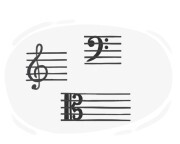
any of the signs written on the left-hand end of a staff indicating the pitch of the notes
ключ
Ноты были помечены ключом скрипичным в начале нотного стана, что указывало на то, что они предназначены для более высоких инструментов или голосов.
the process of changing the style or form by a musician in order to appeal to a wider range of people
смена стиля
Последний альбом певца ознаменовал успешный кроссовер от кантри к поп-музыке, привлекая новую и разнообразную аудиторию.
a raw, unpolished, and low-fidelity music production or recording style characterized by a DIY aesthetic and nostalgic or vintage vibes
лоу-фай, лоу-фай музыка
Ей нравилось учиться под лоу-фай биты, находя расслабленную и ностальгическую атмосферу способствующей концентрации.
a singing method that uses a system of vocal syllables to represent musical pitches in order to facilitate sight-singing and ear training
сольфеджио
На уроке музыки мы изучаем сольфеджио, чтобы улучшить наши вокальные навыки.
a short, repeated musical pattern found in both jazz and popular music, serving as a prominent and recognizable element within a song or composition
рифф, повторяющийся музыкальный мотив
Гитарист сыграл запоминающийся рифф, который заставил всех встать.
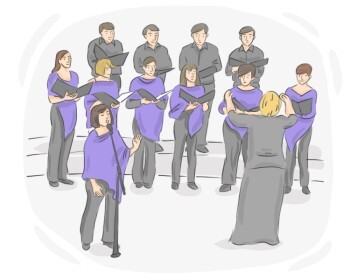
a collective of musicians performing together
ансамбль, коллектив
Ансамбль оркестра звучал великолепно во время исполнения симфонии.
a short and lively ceremonial sounding of trumpets or other brass instruments, usually to announce something important
фанфара
Медная секция сыграла мощную фанфару, чтобы представить жениха и невесту, сигнализируя о начале свадебной церемонии.
a device that helps musicians regulate their desired speed and rhythm
метроном
Пианист использовал метроном во время репетиции, чтобы убедиться, что он сохраняет постоянный темп на протяжении всего произведения.
a technique in music for string instruments where the bow bounces lightly off the strings, creating short, crisp notes
спиккато, отрывисто
Скрипач использовал спиккато, чтобы добавить оживлённую текстуру произведению.
the place in front of the stage, which is slightly lower, where an orchestra sits and performs for an opera, ballet, etc.
оркестровая яма
Музыканты собрались в оркестровой яме, настраивая свои инструменты и готовясь к вечернему выступлению.
the act of positioning and using fingers on an instrument to play specific notes or chords
аппликатура
Пианист отрабатывал свою аппликатуру, чтобы обеспечить плавные переходы между нотами.
unconventional, experimental, and non-mainstream music created by individuals who do not conform to established musical conventions or industry expectations
аутсайдерская музыка, маргинальная музыка
Аутсайдерская музыка часто бросает вызов общепринятым нормам, представляя уникальные и нетрадиционные звуки, которые бросают вызов мейнстримным вкусам.
a harmonious combination of sounds that is pleasing to the ear
благозвучие
Оркестровая пьеса была мастер-классом по благозвучию, очаровывая каждого слушателя.
someone who is highly skilled at playing a musical instrument
виртуоз
Молодого пианиста приветствовали как виртуоза, поражая публику его техническим мастерством и эмоциональной глубиной.
a classical piece of music with one or two simple repeated themes that develop into a polyphonic pattern which is more sophisticated
фуга
« Искусство Фуги » Баха — это шедевр, который иллюстрирует сложность и красоту написания фуги.
the introductory piece of an opera, ballet, oratorio or any lengthy musical performance
увертюра
Исполнение оркестром увертюры «Вильгельм Телль» было заряжающим, задавая воодушевляющий тон концерту.
