pattern

Gesundheit und Krankheit - Beschreibung von Geisteskrankheiten

Hier lernen Sie einige englische Wörter, die mit der Beschreibung von psychischen Erkrankungen wie "verrückt", "manisch" und "neurotisch" zusammenhängen.

Überprüfen

Lernkarten

Rechtschreibung

Quiz

Lernen beginnen
Words Related to Health and Sickness
sociopathic
sociopathic
[Adjektiv]

relating to or exhibiting extreme antisocial attitudes and behaviors that are perceived as signs of a personality disorder

soziopathisch, bezogen auf Soziopathie

soziopathisch, bezogen auf Soziopathie

Schließen
Anmelden
psychosomatic
psychosomatic
[Adjektiv]

(of a physical illness) caused or aggravated by mental factors, such as stress and anxiety

psychosomatisch, durch psychische Faktoren verursacht

psychosomatisch, durch psychische Faktoren verursacht

Schließen
Anmelden
psychopathic
psychopathic
[Adjektiv]

lacking morality, shame, or consideration toward others

psychopathisch, moralisch verwerflich

psychopathisch, moralisch verwerflich

Schließen
Anmelden
non compos mentis

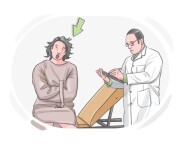
not sane or unable to think clearly

non compos mentis,  nicht zurechnungsfähig

non compos mentis, nicht zurechnungsfähig

Schließen
Anmelden
manic-depressive

relating to or suffering from bipolar disorder

manisch-depressiv, bipolar

manisch-depressiv, bipolar

Schließen
Anmelden
maladjusted
maladjusted
[Adjektiv]

emotionally unstable and unable to cope with the requirements of a healthy social life

fehlangepasst, unausgeglichen

fehlangepasst, unausgeglichen

Ex: The maladjusted student struggled to fit in with his peers at school. 
Schließen
Anmelden
disordered
disordered
[Adjektiv]

affected by an abnormal physical or mental condition

gestört, durcheinander

gestört, durcheinander

Schließen
Anmelden
unbalanced
unbalanced
[Adjektiv]

emotional or psychological instability, including disruptions in mood, thought processes, or behavior

ungleichgewichtig, instabil

ungleichgewichtig, instabil

Ex: Bipolar disorder involves unbalanced mood swings. 
Schließen
Anmelden
shell-shocked

a condition characterized by symptoms such as anxiety, depression, and distress, typically resulting from experiencing a traumatic event

Zustand des posttraumatischen Schocks, traumatischer Schock

Zustand des posttraumatischen Schocks, traumatischer Schock

Schließen
Anmelden
schizophrenic
schizophrenic
[Adjektiv]

suffering from or relating to schizophrenia

schizophren, an Schizophrenie leidend

schizophren, an Schizophrenie leidend

Schließen
Anmelden
psychotic
psychotic
[Adjektiv]

(of a mental condition) affecting brain processes so severely that makes one unable to tell the difference between reality and fantasy

psychotisch, wirklichkeitsfremd

psychotisch, wirklichkeitsfremd

Ex: The psychotic patient believed he was being followed by aliens. 
Schließen
Anmelden
paranoid
paranoid
[Adjektiv]

unreasonably scared of other people or thinking that they are trying to cause harm

paranoid, paranoisch

paranoid, paranoisch

Ex: The paranoid individual constantly checked their surroundings, convinced that someone was following them. 
Schließen
Anmelden
neurotic
neurotic
[Adjektiv]

displaying patterns of thought, behavior, or emotion typical of neurosis

neurotisch, zwanghaft

neurotisch, zwanghaft

Ex: His neurotic tendencies made him worry excessively. 
Schließen
Anmelden
melancholic
melancholic
[Adjektiv]

characterized by a deep, lingering sadness or sorrow

melancholisch

melancholisch

Ex: The melancholic music played softly in the background, setting a reflective tone for the evening. 
Schließen
Anmelden
manic
manic
[Adjektiv]

experiencing a state of extreme excitement, energy, or activity, often characterized by uncontrollable or frenzied behavior

manisch, frenetisch

manisch, frenetisch

Ex: During the holiday season, the shopping malls are often filled with manic shoppers rushing to buy gifts. 
Schließen
Anmelden
madly
madly
[Adverb]

in a way that suggests or resembles insanity or wild excitement

wahnsinnig, wie verrückt

wahnsinnig, wie verrückt

Ex: His eyes bulged madly as he tried to understand the shocking news. 
Schließen
Anmelden
mad
mad
[Adjektiv]

suffering from a severe mental disorder that affects one's thoughts, behaviors, and emotions

verrückt, geisteskrank

verrückt, geisteskrank

Ex: The asylum housed mad individuals with incomprehensible mental challenges. 
Schließen
Anmelden
hysterical
hysterical
[Adjektiv]

experiencing a state of extreme fear or panic, unable to stay calm

hysterisch, panisch

hysterisch, panisch

Ex: A small problem at work caused a hysterical reaction among the staff. 
Schließen
Anmelden
deranged
deranged
[Adjektiv]

incapable of behaving normally or thinking clearly due to mental illness

wahnsinnig, gestört

wahnsinnig, gestört

Ex: His deranged behavior alarmed everyone at the party. 
Schließen
Anmelden
depressed
depressed
[Adjektiv]

feeling very unhappy and having no hope

deprimiert, niedergeschlagen

deprimiert, niedergeschlagen

Ex: She felt depressed after receiving the disappointing news. 
Schließen
Anmelden
demented
demented
[Adjektiv]

associated with severe cognitive decline, leading to memory loss, confusion, etc.

wahnsinnig, an Demenz leidend

wahnsinnig, an Demenz leidend

Ex: Demented individuals struggle with recognizing faces and environments. 
Schließen
Anmelden
confused
confused
[Adjektiv]

lacking clarity or awareness, often due to disorientation in terms of time, place, or identity

verwirrt, desorientiert

verwirrt, desorientiert

Ex: The elderly man became confused and couldn't remember where he had left his keys. 
Schließen
Anmelden
bipolar
bipolar
[Adjektiv]

experiencing or relating to alternating periods of high and low moods, known as mania and depression

bipolar, manisch-depressiv

bipolar, manisch-depressiv

Ex: His bipolar symptoms included periods of intense creativity followed by deep sadness. 
Schließen
Anmelden
LanGeek
LanGeek-App herunterladen