
Список Слов Уровня C1 - Наука
Здесь вы выучите некоторые английские слова о науке, такие как "атомный", "плотность", "эволюция" и т.д., подготовленные для учащихся уровня C1.
Обзор
Флэш-карточки
формы
Правописание
Тест

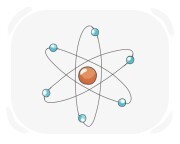
related to atoms, the smallest units of matter, including their structure, properties, and interactions

атомный
Атомная структура элемента включает его ядро, состоящее из протонов и нейтронов, окруженное электронами.

(biology) the part of a cell that contains most of the genetic information
ядро
Ядро клетки содержит генетический материал в форме ДНК, который регулирует клеточную деятельность.
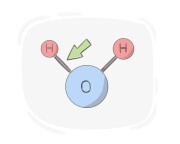
a link that holds atoms or ions together in any molecule or crystal
связь
Ковалентная связь между атомами водорода и кислорода образует молекулу воды.
the physical property in matter that causes it to experience a force in an electromagnetic field
заряд
Электрический заряд — это фундаментальное свойство материи, которое может быть положительным или отрицательным.
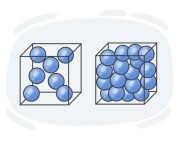
(physics) the degree to which a substance is compacted, measured by dividing its mass by its volume
плотность
Плотность воды составляет приблизительно 1 грамм на кубический сантиметр (г/см³).
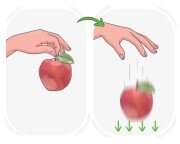
(physics) the universal force of attraction between any pair of objects with mass
сила тяжести
Гравитация — это то, что удерживает планеты на орбите вокруг Солнца и Луну на орбите вокруг Земли.
(physics) any of the smallest units that energy or matter consists of, such as electrons, atoms, molecules, etc.
частица
Электроны — это фундаментальные частицы с отрицательным электрическим зарядом.
a feature or quality of something
свойство
Самое желаемое свойство нового смартфона - это долгий срок службы батареи.
a natural reaction or behavior that occurs automatically, without conscious thought or reasoning
инстинкт
Птица-мать следовала своему инстинкту, чтобы построить гнездо и защитить свои яйца.
the chemical processes through which food is changed into energy for the body to use
обмен веществ
Метаболизм включает различные биохимические реакции, которые превращают питательные вещества из пищи в энергию.

related to evolution or the slow and gradual development of something
эволюционный
Эволюционный процесс привел к разнообразию форм жизни, которые мы видим сегодня.
from or related to living things
органический
Органическая химия сосредоточена на изучении углеродсодержащих соединений, обнаруженных в живых организмах.
(biology) the slow and gradual development of living things throughout the history of the earth
эволюция
Эволюция — это процесс, посредством которого виды изменяются со временем в ответ на давление окружающей среды.
the complete set of genetic material of any living thing
геном
Человеческий геном состоит из примерно 3 миллиардов пар оснований ДНК, кодирующих всю информацию, необходимую для развития и функционирования человека.
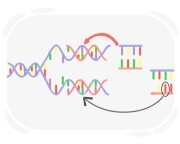
(biology) a change in the structure of the genes of an individual that causes them to develop different physical features
мутация
Из-за мутации в его генах ребенок родился с голубыми глазами, хотя у обоих родителей были карие глаза.

an unhatched or unborn offspring in the process of development, especially a human offspring roughly from the second to the eighth week after fertilization
зародыш
В течение первого триместра человеческий эмбрион подвергается быстрому делению клеток и дифференцировке для формирования основных органов.
an animal or plant with parents that belong to different breeds or varieties
гибрид
Фермер с гордостью продемонстрировал своего нового гибрида, помесь Брахмана и Ангуса, который сочетал в себе лучшие черты обеих пород крупного рогатого скота.
a cell or a group of cells created through a natural or artificial process from a source that they are genetically identical to
клон
Ученые наблюдали за поведением бактериального клона, чтобы понять, как он будет реагировать на различные антибиотики.
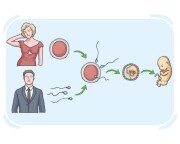
(of a living being) to produce offspring or more of itself
размножаться
Животные размножаются, рожая или откладывая яйца, которые вылупляются в потомство.
something that triggers a reaction in various areas like psychology or physiology
раздражитель
Положительное подкрепление может быть мощным стимулом для формирования желаемого поведения как у детей, так и у животных.
the act of producing a substance that exists in living beings
синтез
Печень играет важную роль в синтезе белков, необходимых для свертывания крови.
to increase the velocity of something
ускорять
В ускорителе частиц ученые используют электромагнитные поля для ускорения субатомных частиц до скоростей, близких к скорости света.
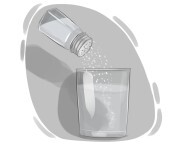
(of a solid) to become one with a liquid
растворять
Сахар быстро растворяется в горячем чае.
a water-soluble chemical substance that contains Hydrogen and has a sour taste or corrosive feature with a PH less than 7
кислота
Лимонный сок содержит лимонную кислоту, которая придает ему кислый вкус и pH около 2.
a light silver-gray metal used primarily for making cooking equipment and aircraft parts
алюминий
Новый набор кухонной посуды из алюминия легкий и обладает высокой устойчивостью к коррозии, что делает его идеальным для кухни.

a metallic chemical element that has a red-brown color, primarily used as a conductor in wiring
медь
Медь ценится за высокую электропроводность, что делает ее идеальной для проводки в электрических системах.
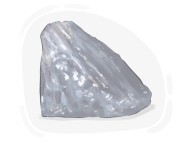
a heavy soft metal, used in making bullets, in plumbing and roofing, especially in the past
свинец
Исторически свинец широко использовался в сантехнических системах из-за его ковкости и устойчивости к коррозии.
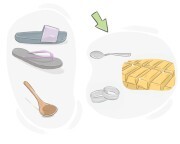
a substance that permits electricity to pass through or along it
проводник
Проводник широко используется в электрической проводке благодаря своей отличной проводимости.

a solid substance formed when a chemical compound solidifies, with atoms arranged in a highly regular, repeating pattern
хрусталь
Соль образует кубический кристалл при затвердевании.
a type of powder that is explosive, used in making bullets, bombs, etc.
порох
Порох, также известный как черный порох, представляет собой смесь нитрата калия, древесного угля и серы.
an explosive that is very powerful
динамит
Динамит — это взрывчатое вещество, состоящее из нитроглицерина, поглощенного инертным веществом, обычно опилками или глиной.
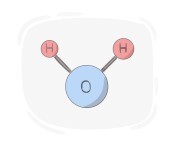
the different elements that form something or the arrangement of these elements
состав
Состав молекул воды состоит из двух атомов водорода и одного атома кислорода, химически связанных вместе.
to release heat, light, sound, radiation, etc.
испускать, издавать
Костер излучал теплый свет, обеспечивая окружающую территорию светом и теплом.
a column of light, such as that emitted from a beacon or focused source
луч
Луч солнечного света проникал через окно.
a device that produces a powerful and concentrated beam of light that can be used in medical procedures, for cutting metal objects, etc.
лазер
Хирург использовал лазер, чтобы точно удалить опухоль, не повредив окружающие ткани.
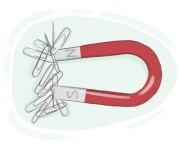
an object that produces an invisible field capable of attracting certain metals without physical contact
магнит
В школе мы играли с магнитами и видели, как они толкают и притягивают металлические детали на листе.
related to heat or temperature, including how heat moves, how materials expand with temperature changes, and the energy stored in heat
тепловой
По мере повышения температуры металл расширялся из-за теплового расширения.
to press two things together or be pressed together to become smaller
сжимать
Она сжала губы, чтобы подавить улыбку.
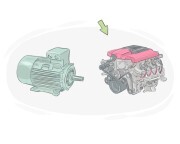
a machine that produces electricity by converting mechanical energy into electrical energy
генератор
Гидроэлектрический генератор использует силу текущей воды для производства электроэнергии для близлежащих сообществ.
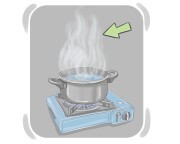
to become gas or vapor from liquid
испаряться
Вода может испаряться при воздействии тепла.
a space that is utterly empty of all matter
вакуум
В физике вакуум определяется как пространство, лишённое каких-либо частиц материи, включая атомы и молекулы.
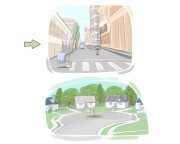
without end or limits in extent, amount, or space
бесконечный
Его бесконечная доброта ко всем, кого он встречал, сделала его любимцем всех.
a small remaining amount or part of a thing after it has been taken, used, etc.
остаток
Химик обнаружил остаток химических веществ, оставшийся в пробирке после завершения эксперимента.
