pattern

Listă de Cuvinte Nivel C1 - Science

Aici vei învăța câteva cuvinte în engleză despre știință, cum ar fi "atomic", "densitate", "evoluție" etc., pregătite pentru elevii de nivel C1.

Revizuire

Fișe de studiu

forme

Ortografie

Chestionar

Începe să înveți
CEFR C1 Vocabulary
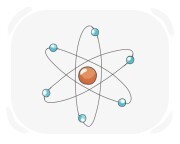
atomic
atomic
[adjectiv]

related to atoms, the smallest units of matter, including their structure, properties, and interactions

atomic
atomic

Ex: The atomic structure of an element includes its nucleus, composed of protons and neutrons, surrounded by electrons. 
Închide
Conectare
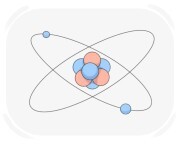
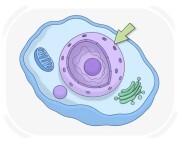
nucleus
nucleus
[substantiv]

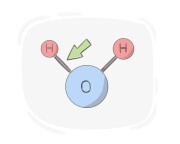
(biology) the part of a cell that contains most of the genetic information

nucleu, nucleus
nucleu, nucleus

Ex: The nucleus of a cell contains genetic material in the form of DNA, which regulates cellular activities. 
Închide
Conectare
bond
bond
[substantiv]

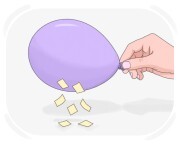
a link that holds atoms or ions together in any molecule or crystal

legătură, conexiune
legătură, conexiune

Ex: The covalent bond between the hydrogen and oxygen atoms forms a water molecule. 
Închide
Conectare
charge
charge
[substantiv]

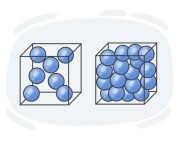
the physical property in matter that causes it to experience a force in an electromagnetic field

sarcină, sarcină electrică
sarcină, sarcină electrică

Ex: Electric charge is a fundamental property of matter that can be positive or negative. 
Închide
Conectare
density
density
[substantiv]

(physics) the degree to which a substance is compacted, measured by dividing its mass by its volume

densitate, masă volumetrică

densitate, masă volumetrică

Ex: The density of water is approximately 1 gram per cubic centimeter (g/cm³). 
Închide
Conectare
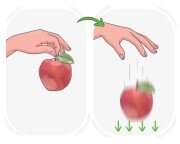
gravity
gravity
[substantiv]

(physics) the universal force of attraction between any pair of objects with mass

gravitație

gravitație

Ex: Gravity is what keeps the planets in orbit around the Sun and the Moon in orbit around the Earth. 
Închide
Conectare
particle
particle
[substantiv]

(physics) any of the smallest units that energy or matter consists of, such as electrons, atoms, molecules, etc.

particulă

particulă

Ex: Electrons are fundamental particles with a negative electric charge. 
Închide
Conectare
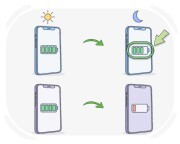
property
property
[substantiv]

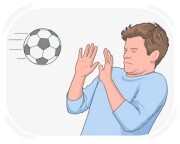
a feature or quality of something

proprietate, caracteristică
proprietate, caracteristică

Ex: The most desirable property of the new smartphone is its long-lasting battery life. 
Închide
Conectare
instinct
instinct
[substantiv]

a natural reaction or behavior that occurs automatically, without conscious thought or reasoning

instinct, impuls

instinct, impuls

Ex: The mother bird followed her instinct to build a nest and protect her eggs. 
Închide
Conectare
metabolism
metabolism
[substantiv]

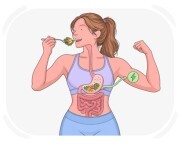
the chemical processes through which food is changed into energy for the body to use

metabolism, funcționare metabolică
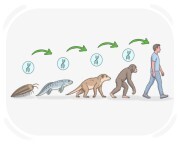
metabolism, funcționare metabolică

Ex: Metabolism involves various biochemical reactions that convert nutrients from food into energy. 
Închide
Conectare
evolutionary
evolutionary
[adjectiv]

related to evolution or the slow and gradual development of something

evoluționist

evoluționist

Ex: The evolutionary process has led to the diverse array of life forms we see today. 
Închide
Conectare
organic
organic
[adjectiv]

from or related to living things

organic, biologic

organic, biologic

Ex: Organic chemistry focuses on the study of carbon-containing compounds found in living organisms. 
Închide
Conectare
evolution
evolution
[substantiv]

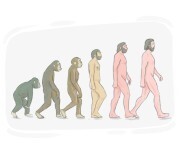
(biology) the slow and gradual development of living things throughout the history of the earth

evoluție

evoluție

Ex: Evolution is the process by which species change over time in response to environmental pressures. 
Închide
Conectare
genome
genome
[substantiv]

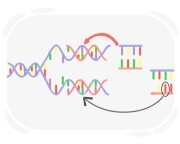
the complete set of genetic material of any living thing

genom

genom

Ex: The human genome consists of approximately 3 billion base pairs of DNA, encoding all the information needed for human development and function. 
Închide
Conectare
mutation
mutation
[substantiv]

(biology) a change in the structure of the genes of an individual that causes them to develop different physical features

mutație, modificare genetică

mutație, modificare genetică

Ex: The fish exhibited a unique fin shape, which was later identified as a result of a genetic mutation. 
Închide
Conectare
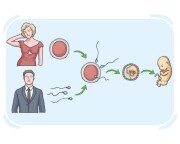
embryo
embryo
[substantiv]

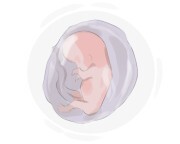
an unhatched or unborn offspring in the process of development, especially a human offspring roughly from the second to the eighth week after fertilization

embrion, făt

embrion, făt

Ex: During the first trimester, the human embryo undergoes rapid cell division and differentiation to form essential organs. 
Închide
Conectare
hybrid
hybrid
[substantiv]

an animal or plant with parents that belong to different breeds or varieties

hibrid, încrucișare

hibrid, încrucișare

Ex: The farmer proudly displayed his new hybrid, a cross between a Brahman and an Angus, which combined the best traits of both cattle breeds. 
Închide
Conectare
clone
clone
[substantiv]

a cell or a group of cells created through a natural or artificial process from a source that they are genetically identical to

clonă, clonare

clonă, clonare

Ex: The scientists observed the behavior of the bacterial clone to understand how it would respond to different antibiotics. 
Închide
Conectare
to reproduce

(of a living being) to produce offspring or more of itself

a se reproduce, a se înmulți

a se reproduce, a se înmulți

Ex: Animals reproduce by giving birth to or laying eggs that hatch into offspring. 
Închide
Conectare
stimulus
stimulus
[substantiv]

something that triggers a reaction in various areas like psychology or physiology

stimul, excitant

stimul, excitant

Ex: In a lab experiment, the researchers applied a visual stimulus to study participants to observe and measure their neurological responses. 
Închide
Conectare
synthesis
synthesis
[substantiv]

the act of producing a substance that exists in living beings

sinteză

sinteză

Ex: The liver plays a crucial role in the synthesis of proteins necessary for blood clotting. 
Închide
Conectare
to accelerate

to increase the velocity of something

accelera, crește viteza
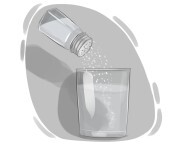
accelera, crește viteza

Ex: The physicist designed an experiment to study how magnetic fields can accelerate charged particles to high velocities. 
Închide
Conectare
to dissolve

(of a solid) to become one with a liquid

a dizolva, a se dizolva

a dizolva, a se dizolva

Ex: Sugar dissolves quickly in hot tea. 
Închide
Conectare
acid
acid
[substantiv]

a water-soluble chemical substance that contains Hydrogen and has a sour taste or corrosive feature with a PH less than 7

acid, substanță acidă
acid, substanță acidă

Ex: The lemon juice contains citric acid, which gives it a sour taste and a pH of around 2. 
Închide
Conectare
aluminum
aluminum
[substantiv]

a light silver-gray metal used primarily for making cooking equipment and aircraft parts

aluminiu, aluminiu

aluminiu, aluminiu

Ex: The new set of aluminum cookware is both lightweight and highly resistant to corrosion, making it perfect for the kitchen. 
Închide
Conectare
copper
copper
[substantiv]

a metallic chemical element that has a red-brown color, primarily used as a conductor in wiring

cupru, metal roșu

cupru, metal roșu

Ex: Copper is valued for its high electrical conductivity, which makes it ideal for wiring in electrical systems. 
Închide
Conectare
lead
lead
[substantiv]

a heavy soft metal, used in making bullets, in plumbing and roofing, especially in the past

plumb, metal greu
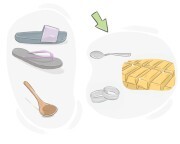
plumb, metal greu

Ex: Historically, lead was commonly used in plumbing systems due to its malleability and corrosion resistance. 
Închide
Conectare
conductor
conductor
[substantiv]

a substance that permits electricity to pass through or along it

conductor, conductoare

conductor, conductoare

Ex: Copper is widely used as a conductor in electrical wiring because of its excellent conductivity. 
Închide
Conectare
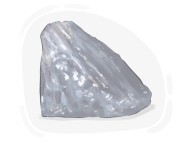
crystal
crystal
[substantiv]

a solid substance formed when a chemical compound solidifies, with atoms arranged in a highly regular, repeating pattern

cristal, cristalin

cristal, cristalin

Ex: Salt forms a cubic crystal when it solidifies. 
Închide
Conectare
gunpowder
gunpowder
[substantiv]

a type of powder that is explosive, used in making bullets, bombs, etc.

praf de pușcă, pulbere neagră

praf de pușcă, pulbere neagră

Ex: Gunpowder, also known as black powder, is a mixture of potassium nitrate, charcoal, and sulfur. 
Închide
Conectare
dynamite
dynamite
[substantiv]

an explosive that is very powerful

dynamită, un exploziv foarte puternic

dynamită, un exploziv foarte puternic

Ex: Dynamite is an explosive material consisting of nitroglycerin absorbed in an inert substance, typically sawdust or clay. 
Închide
Conectare
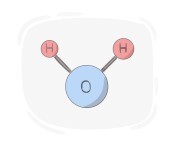
composition
composition
[substantiv]

the different elements that form something or the arrangement of these elements

compunere, structură

compunere, structură

Ex: The composition of water molecules consists of two hydrogen atoms and one oxygen atom, chemically bonded together. 
Închide
Conectare
to emit
to emit
[verb]

to release heat, light, sound, radiation, etc.

emite, degaja

emite, degaja

Ex: The campfire emitted a warm glow, providing light and heat to the surrounding area. 
Închide
Conectare
ray
ray
[substantiv]

a column of light, such as that emitted from a beacon or focused source

rază, fascicul

rază, fascicul

Ex: A ray of sunlight streamed through the window. 
Închide
Conectare
laser
laser
[substantiv]

a device that produces a powerful and concentrated beam of light that can be used in medical procedures, for cutting metal objects, etc.

laser, fascicul laser

laser, fascicul laser

Ex: The surgeon used a laser to precisely remove the tumor without damaging surrounding tissues. 
Închide
Conectare
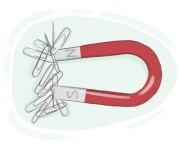
magnet
magnet
[substantiv]

an object that produces an invisible field capable of attracting certain metals without physical contact

magnet, magnetic

magnet, magnetic

Ex: At school we played with magnets and saw how they push and pull metal pieces on a sheet. 
Închide
Conectare
thermal
thermal
[adjectiv]

related to heat or temperature, including how heat moves, how materials expand with temperature changes, and the energy stored in heat

termic, caloric

termic, caloric

Ex: As the temperature increased, the metal expanded due to thermal expansion. 
Închide
Conectare
to compress

to press two things together or be pressed together to become smaller

comprima, strânge

comprima, strânge

Ex: She compressed her lips together to suppress a smile. 
Închide
Conectare
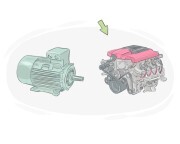
generator
generator
[substantiv]

a machine that produces electricity by converting mechanical energy into electrical energy

generator, alternator

generator, alternator

Ex: The hydroelectric generator harnesses the power of flowing water to produce electricity for nearby communities. 
Închide
Conectare
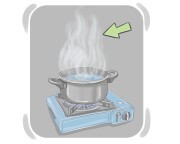
to evaporate

to become gas or vapor from liquid

se evapora, se vaporiza

se evapora, se vaporiza

Ex: Water can evaporate when exposed to heat. 
Închide
Conectare
vacuum
vacuum
[substantiv]

a space that is utterly empty of all matter

vid, vacuum
vid, vacuum

Ex: In physics, a vacuum is defined as a space devoid of any matter particles, including atoms and molecules. 
Închide
Conectare
infinite
infinite
[adjectiv]

without end or limits in extent, amount, or space

infinit, nelimitat

infinit, nelimitat

Ex: The universe is believed to be infinite in size, with no discernible boundaries. 
Închide
Conectare
residue
residue
[substantiv]

a small remaining amount or part of a thing after it has been taken, used, etc.

reziduu, rest

reziduu, rest

Ex: The chemist found a residue of chemicals left in the test tube after the experiment was completed. 
Închide
Conectare
LanGeek
Descarcă aplicația LanGeek