pattern

El libro English File - Pre-intermedio - Lección 8B

Aquí encontrarás el vocabulario de la Lección 8B del libro de curso English File Pre-Intermediate, como "ganar", "medalla", "gafas", etc.

Revisión

Tarjetas de memoria

formas

Ortografía

Cuestionario
Empezar a aprender
English File - Pre-intermediate
to find
to find
[Verbo]

to randomly discover someone or something, particularly in a way that is surprising or unexpected

encontrar
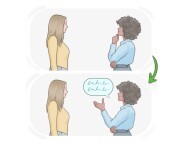
encontrar

Ex: Look what I've found under the couch! 

¡Mira lo que he encontrado debajo del sofá!

to say
to say
[Verbo]

to use words and our voice to show what we are thinking or feeling

decir
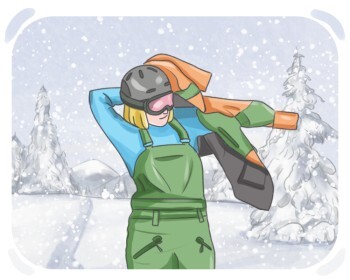
decir

Ex: She said she loved the gift I gave her. 

Ella dijo que le encantaba el regalo que le di.

to wear
to wear
[Verbo]

to have something such as clothes, shoes, etc. on your body

llevar
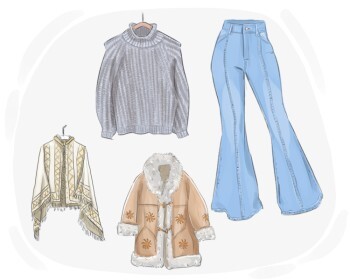
llevar

Ex: The students were instructed to wear their school uniforms every day. 

Se les indicó a los estudiantes que usaran sus uniformes escolares todos los días.

clothes
clothes
[Sustantivo]

the things we wear to cover our body, such as pants, shirts, and jackets

ropa

ropa

Ex: My mother asked me to fold my clothes and organize them in my closet. 

Mi madre me pidió que doblara mi ropa y la organizara en mi armario.

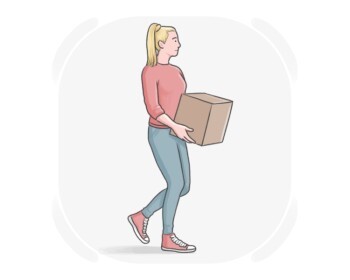
to carry
to carry
[Verbo]

to hold someone or something and take them from one place to another

llevar
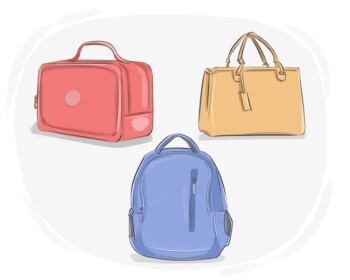
llevar

Ex: The river's current can easily carry small boats downstream. 

La corriente del río puede fácilmente llevar pequeños botes río abajo.

bag
bag
[Sustantivo]

something made of leather, cloth, plastic, or paper that we use to carry things in, particularly when we are traveling or shopping

bolso
bolso

Ex: I pack my lunch in a small bag before leaving for work. 

Empaco mi almuerzo en una pequeña bolsa antes de salir al trabajo.

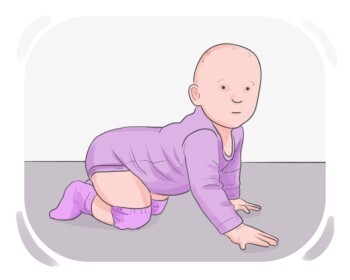
baby
baby
[Sustantivo]

a very young child

bebé

bebé

Ex: The baby giggled and clapped its hands in delight. 

El bebé se rió y aplaudió con alegría.

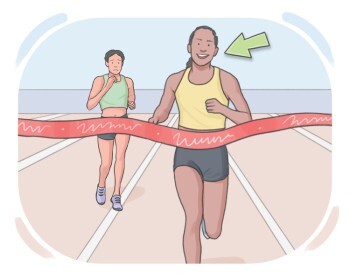
to win
to win
[Verbo]

to become the most successful, the luckiest, or the best in a game, race, fight, etc.

ganar

ganar

Ex: Did the home team win the basketball game last night? 

¿Ganó el equipo local el partido de baloncesto anoche?

match
match
[Sustantivo]

a competition in which two players or teams compete against one another such as soccer, boxing, etc.

partido
partido

Ex: After a long and intense match, the tennis player emerged victorious and celebrated with her fans. 

Después de un partido largo e intenso, la tenista emergió victoriosa y celebró con sus fans.

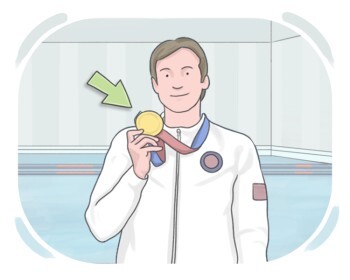
medal
medal
[Sustantivo]

a flat piece of metal, typically of the size and shape of a large coin, given to the winner of a competition or to someone who has done an act of bravery in war, etc.

medalla

medalla

Ex: The team proudly showed off their silver medals. 

El equipo mostró con orgullo sus medallas de plata.

prize
prize
[Sustantivo]

anything that is given as a reward to someone who has done very good work or to the winner of a contest, game of chance, etc.

premio

premio

Ex: The grand prize for the raffle was a luxury vacation package to a tropical island. 

El premio principal del sorteo era un paquete de vacaciones de lujo en una isla tropical.

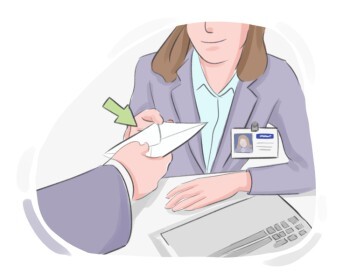
to earn
to earn
[Verbo]

to get money for the job that we do or services that we provide

ganar, obtener
ganar, obtener

Ex: Many artists earn a living by selling their artwork online. 

Muchos artistas ganan su sustento vendiendo sus obras de arte en línea.

salary
salary
[Sustantivo]

an amount of money we receive for doing our job, usually monthly

salario

salario

Ex: Her new job offers a higher salary. 

Su nuevo trabajo ofrece un salario más alto.

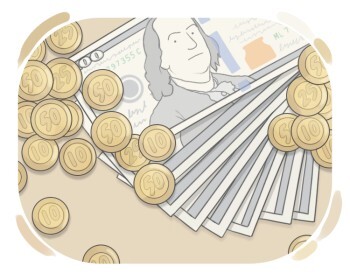
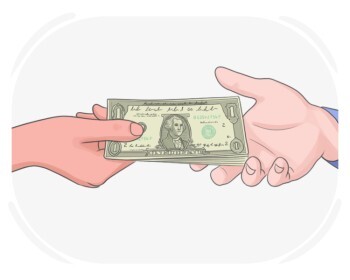
money
money
[Sustantivo]

something that we use to buy and sell goods and services, can be in the form of coins or paper bills

dinero

dinero

Ex: Saving money for the future is really important. 

Ahorrar dinero para el futuro es realmente importante.

to know
to know
[Verbo]

to have some information about something

saber

saber

Ex: He knows that he needs to study more for the exam. 

Él sabe que necesita estudiar más para el examen.

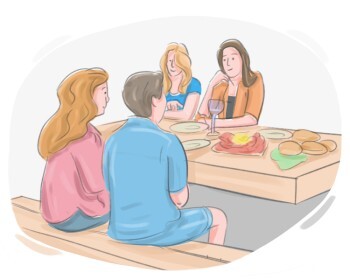
well
well
[Adverbio]

in a way that is right or satisfactory

bien
bien

Ex: Despite the challenges, the business is doing well. 

A pesar de los desafíos, el negocio va bien.

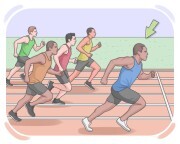
to meet
to meet
[Verbo]

to come together as previously scheduled for social interaction or a prearranged purpose

encontrarse, reunirse
encontrarse, reunirse

Ex: We should meet at the theater before the movie starts. 

Deberíamos encontrarnos en el teatro antes de que comience la película.

first
first
[Adjetivo]

(of a person) coming or acting before any other person

primero

primero

Ex: The first student to submit the assignment gets extra credit. 

El primer estudiante en entregar la tarea recibe crédito adicional.
time
time
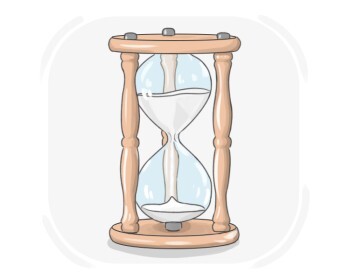
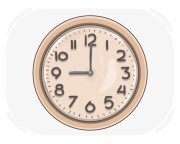
[Sustantivo]

the quantity that is measured in seconds, minutes, hours, etc. using a device like clock

hora
hora

Ex: It's important to manage your time wisely. 

Es importante administrar tu tiempo sabiamente.

o'clock
o'clock
[Adverbio]

put after the numbers one to twelve to show or tell what time it is, only when it is at that exact hour

en punto

en punto

Ex: The library opens at 10 o'clock on weekdays. 

La biblioteca abre a las 10 en punto entre semana.

to hope
to hope
[Verbo]

to want something to happen or be true

esperar
esperar

Ex: He hopes that his hard work will be recognized and rewarded. 

Él espera que su trabajo duro sea reconocido y recompensado.

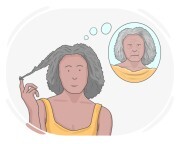
good
good
[Adjetivo]

having a quality that is satisfying

bueno
bueno

Ex: The movie was really good; it made me laugh and cry. 

La película fue realmente buena; me hizo reír y llorar.

will
will
[Verbo]

used for forming future tenses

[futuro simple]

[futuro simple]

Ex: They will go on vacation in the summer. 

Ellos irán de vacaciones en el verano.

to happen
to happen
[Verbo]

to come into existence by chance or as a consequence

ocurrir

ocurrir

Ex: The meeting happened because everyone agreed it was necessary. 

La reunión tuvo lugar porque todos estuvieron de acuerdo en que era necesaria.

to do
to do
[Verbo]

to perform an action that is not mentioned by name

hacer

hacer

Ex: In times of crisis, people often come together to do whatever is necessary. 

En tiempos de crisis, la gente a menudo se une para hacer lo que sea necesario.

to [wait] for  {sb/sth}

to remain in a state of expectation or anticipation for something or someone
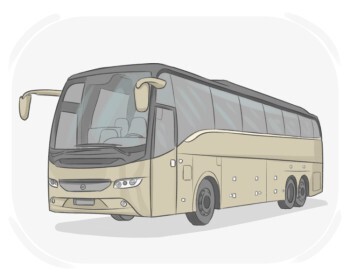
Ex: We need to wait for the results of the exam before making any decisions. 
bus
bus
[Sustantivo]

a large vehicle that carries many passengers by road

autobús, bus

autobús, bus

Ex: The bus driver greeted us with a smile as we boarded. 

El conductor del autobús nos saludó con una sonrisa cuando subimos.

long time
long time
[Sustantivo]

an extended duration of time that is typically longer than what is considered normal or expected

mucho tiempo, largo tiempo

mucho tiempo, largo tiempo

Ex: She decided to take a break from work for a long time to focus on her health and well-being. 

Ella decidió tomar un descanso largo del trabajo para concentrarse en su salud y bienestar.

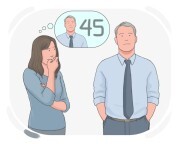
to watch
to watch
[Verbo]

to look at a thing or person and pay attention to it for some time

mirar
mirar

Ex: The audience eagerly watched the actors on stage during the play. 

El público observó con entusiasmo a los actores en el escenario durante la obra.

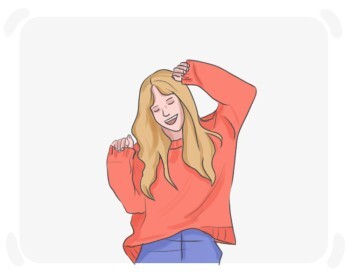
to look
to look
[Verbo]

to have a particular appearance or give a particular impression

parecer, verse
parecer, verse

Ex: The cake looks delicious. 

El pastel luce delicioso.

happy
happy
[Adjetivo]

emotionally feeling good or glad

feliz, contento

feliz, contento

Ex: The students were happy to have a day off from school. 

Los estudiantes estaban felices de tener un día libre en la escuela.

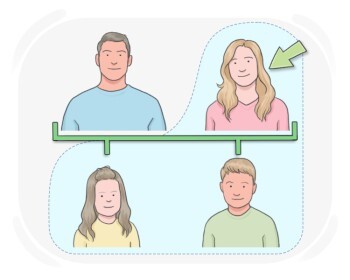
to look like

to resemble a thing or person in appearance

parecerse a, tener aspecto de

parecerse a, tener aspecto de

Ex: She has looked like her grandmother since she was a child. 

Ella se parece a su abuela desde que era niña.
mother
mother
[Sustantivo]

a child's female parent

madre

madre

Ex: Sarah's mother is a doctor, and she has always been a source of inspiration for her. 

La madre de Sarah es doctora y siempre ha sido una fuente de inspiración para ella.

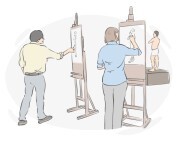
model
model
[Sustantivo]

a person who is employed by an artist to pose for a painting, photograph, etc.

modelo
modelo

Ex: The painting was inspired by a live model, allowing the artist to study the human form in great detail. 

El cuadro fue inspirado por un modelo en vivo, lo que permitió al artista estudiar la forma humana con gran detalle.

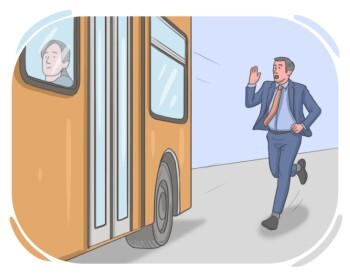
to miss
to miss
[Verbo]

to fail to catch a bus, airplane, etc.

perder
perder

Ex: She missed the school bus because she forgot her backpack. 

Ella perdió el autobús escolar porque olvidó su mochila.

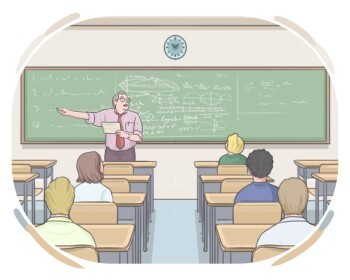
class
class
[Sustantivo]

students as a whole that are taught together

clase

clase

Ex: Every Friday, the class gathers for a weekly quiz to test their understanding of the material covered during the week. 

Todos los viernes, la clase se reúne para un cuestionario semanal para evaluar su comprensión del material cubierto durante la semana.

to lose
to lose
[Verbo]

to be deprived of or stop having someone or something

perder

perder

Ex: She began to lose interest in the project as it became more complicated. 

Ella comenzó a perder interés en el proyecto a medida que se volvía más complicado.

glasses
glasses
[Sustantivo]

a pair of lenses set in a frame that rests on the nose and ears, which we wear to see more clearly

gafas

gafas

Ex: She forgot her glasses at home, so she couldn't read the menu. 

Ella olvidó sus gafas en casa, así que no podía leer el menú.
to bring
to bring
[Verbo]

to come to a place with someone or something

traer

traer

Ex: I will bring the snacks for the picnic. 

Yo traeré los bocadillos para el picnic.

dictionary
dictionary
[Sustantivo]

a book or electronic resource that gives a list of words in alphabetical order and explains their meanings, or gives the equivalent words in a different language

diccionario

diccionario

Ex: Teachers often encourage students to expand their vocabulary using a thesaurus alongside a dictionary. 

Los maestros a menudo animan a los estudiantes a expandir su vocabulario usando un tesauro junto con un diccionario.

to bring back

to make something or someone return or be returned to a particular place or condition

devolver

devolver

Ex: The successful negotiations brought back peace to the region. 

Las negociaciones exitosas devolvieron la paz a la región.
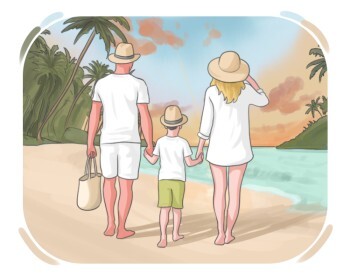
holiday
holiday
[Sustantivo]

a period of time away from home or work, typically to relax, have fun, and do activities that one enjoys

Vacaciones
Vacaciones

Ex: Many families plan a holiday at the beach during school breaks. 

Muchas familias planean unas vacaciones en la playa durante las vacaciones escolares.

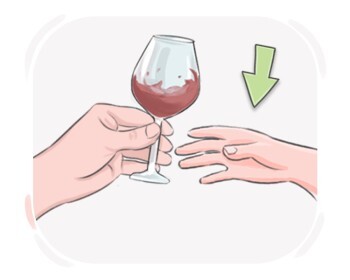
to take
to take
[Verbo]

to reach for something and hold it

tomar

tomar

Ex: May I take your coat and hat, sir? 

¿Puedo tomar su abrigo y sombrero, señor?

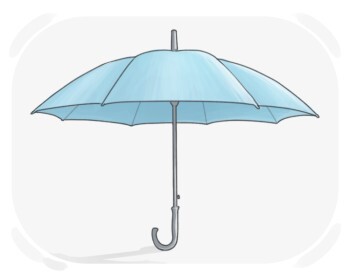
umbrella
umbrella
[Sustantivo]

an object with a circular folding frame covered in cloth, used as protection against rain or sun

paraguas

paraguas

Ex: Sarah used her colorful umbrella to shield herself from the sun. 

Sarah usó su paraguas colorido para protegerse del sol.
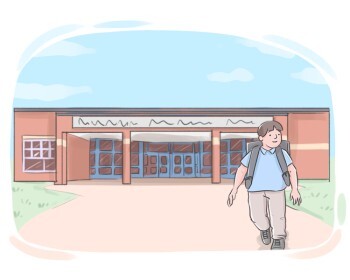
school
school
[Sustantivo]

a place where children learn things from teachers

escuela, colegio

escuela, colegio

Ex: She takes the bus to school every morning. 

Ella toma el autobús para ir a la escuela todas las mañanas.

to look for

to expect or hope for something

esperar

esperar

Ex: I am looking for a positive resolution to this conflict. 

Estoy buscando una resolución positiva para este conflicto.
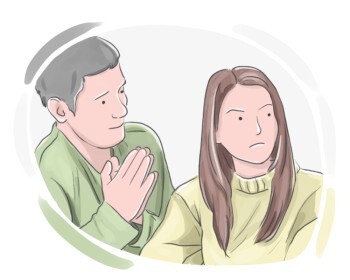
sorry
sorry
[Adjetivo]

feeling ashamed or apologetic about something that one has or has not done

arrepentido
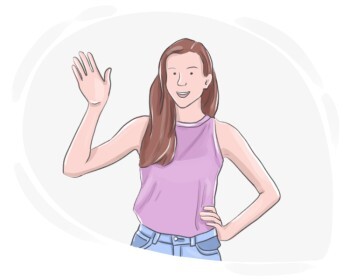
arrepentido

Ex: I'm really sorry for the mistake I made earlier. 

Realmente lo siento por el error que cometí antes.

hello
hello
[interjección]

a word we say when we meet someone or answer the phone

hola
hola

Ex: Hello there!  What brings you to this part of town? 

Hola ¿qué te trae por esta parte de la ciudad?

to tell
to tell
[Verbo]

to use words and give someone information

contar

contar

Ex: She told her friend about the new restaurant in town. 

Ella contó a su amiga sobre el nuevo restaurante en la ciudad.

joke
joke
[Sustantivo]

something a person says that is intended to make others laugh

broma

broma

Ex: The comedian's joke about the airplane food had the audience in stitches. 

El chiste del comediante sobre la comida de avión tuvo al público desternillándose de risa.

lie
lie
[Sustantivo]

a statement that is false and used intentionally to deceive someone

mentira, engaño
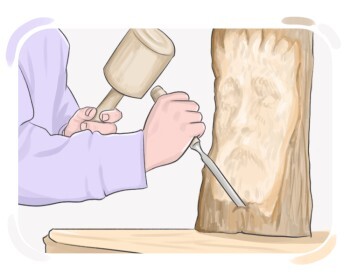
mentira, engaño

Ex: She regretted the lie she told her friend and knew she had to come clean. 

Ella lamentó la mentira que le dijo a su amiga y supo que tenía que confesar.

to make
to make
[Verbo]

to form, produce, or prepare something, by putting parts together or by combining materials

hacer
hacer

Ex: The factory workers make thousands of cars every month. 

Los trabajadores de la fábrica fabrican miles de coches cada mes.

to misbehave

to act in an improper or unacceptable way

portarse mal

portarse mal

Ex: She felt embarrassed when her child began to misbehave during the family gathering. 

Se sintió avergonzada cuando su hijo comenzó a portarse mal durante la reunión familiar.
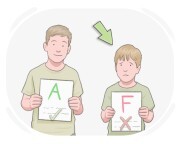
to fail
to fail
[Verbo]

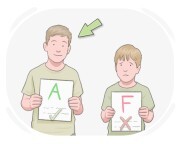
to be unsuccessful in an examination or course

fracasar, reprobar
fracasar, reprobar

Ex: If you don't attend class regularly, you might fail the course. 

Si no asistes a clase regularmente, podrías reprobar el curso.

to pass
to pass
[Verbo]

to get the necessary grades in an exam, test, course, etc.

aprobar, pasar
aprobar, pasar

Ex: I'm not really expecting to pass first time. 

Realmente no espero aprobar la primera vez.

result
result
[Sustantivo]

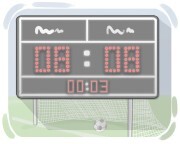
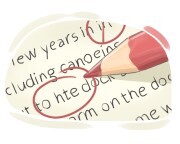
the outcome or final score of a competition, match, test, etc.

resultado
resultado

Ex: The crowd erupted in stunned silence as the unlikely turn of events unfolded, leaving everyone to grapple with the completely changed result of the game. 

La multitud estalló en un silencio aturdido mientras se desarrollaba el giro inesperado de los eventos, dejando a todos lidiando con el resultado completamente cambiado del juego.

to revise
to revise
[Verbo]

to make changes to something, especially in response to new information, feedback, or a need for improvement

revisar

revisar

Ex: The author decided to revise the manuscript based on the editor's suggestions. 

El autor decidió revisar el manuscrito basándose en las sugerencias del editor.

to take
to take
[Verbo]

to study a particular subject in school, university, etc.

tomar
tomar

Ex: He chose to take an elective in art history to explore his interest in cultural influences on art. 

Él eligió tomar un electivo en historia del arte para explorar su interés en las influencias culturales en el arte.

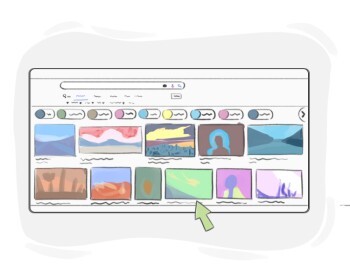
photograph
photograph
[Sustantivo]

a special kind of picture that is made using a camera in order to make memories, create art, etc.

foto
foto

Ex: The artist used a series of photographs as references for a realistic painting. 

El artista utilizó una serie de fotografías como referencias para una pintura realista.

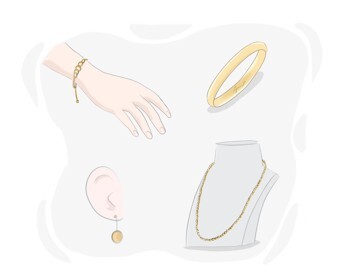
jewelry
jewelry
[Sustantivo]

objects such as necklaces, bracelets or rings, typically made from precious metals such as gold and silver, that we wear as decoration

joyería

joyería

Ex: She received a stunning diamond ring as an anniversary gift. 

Ella recibió un anillo de diamante impresionante como regalo de aniversario.

television
television
[Sustantivo]

an electronic device with a screen that receives television signals, on which we can watch programs

televisión
televisión

Ex: The television was turned off during dinner. 

El televisor estaba apagado durante la cena.

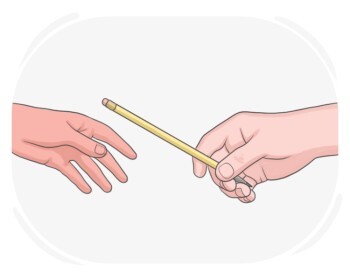
to lend
to lend
[Verbo]

to give someone something, like money, expecting them to give it back after a while

prestar, dejar

prestar, dejar

Ex: The library is happy to lend books to its members for a set period. 

La biblioteca está encantada de prestar libros a sus miembros por un período determinado.

to borrow
to borrow
[Verbo]

to use or take something belonging to someone else, with the idea of returning it

pedir prestado
pedir prestado

Ex: He asked to borrow a pen from his classmate during the exam. 

Le pidió pedir prestado un bolígrafo a su compañero de clase durante el examen.

to hear
to hear
[Verbo]

to notice the sound a person or thing is making

oír
oír

Ex: We heard shouting coming from the other house. 

Escuchamos gritos que venían de la otra casa.

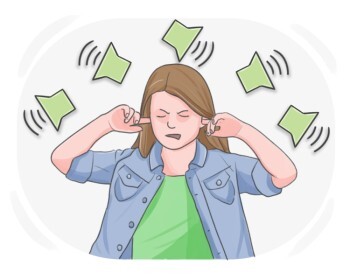
noise
noise
[Sustantivo]

sounds that are usually unwanted or loud

ruido
ruido

Ex: The noise from the party next door kept him awake all night. 

El ruido de la fiesta de al lado lo mantuvo despierto toda la noche.

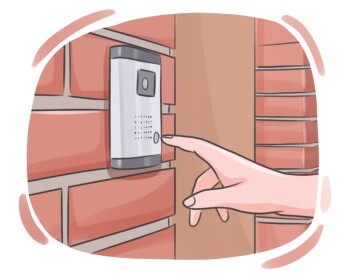
doorbell
doorbell
[Sustantivo]

a bell operated by a button outside a house or apartment that makes a sound when pushed, particularly to inform the inhabitants inside

timbre

timbre

Ex: He installed a video doorbell to see who is at the door without opening it. 

Instaló un timbre de video para ver quién está en la puerta sin abrirla.
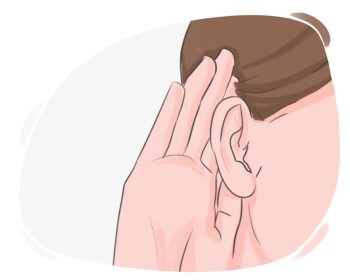
to listen
to listen
[Verbo]

to give our attention to the sound a person or thing is making

escuchar

escuchar

Ex: Apologies, I got distracted and wasn't listening closely. 

Disculpas, me distraje y no estaba escuchando con atención.

music
music
[Sustantivo]

a series of sounds made by instruments or voices, arranged in a way that is pleasant to listen to

música

música

Ex: My husband's favorite genre of music is pop. 

El género de música favorito de mi esposo es el pop.

radio
radio
[Sustantivo]

a device that is used for listening to programs that are broadcast

radio

radio

Ex: They are dancing to the music on the radio. 

Están bailando con la música de la radio.

LanGeek
Descargar la aplicación LanGeek