
Kniha English File - Předstředně pokročilý - Lekce 8B
Zde najdete slovní zásobu z lekce 8B v učebnici English File Pre-Intermediate, jako "vydělat", "medaile", "brýle" atd.
Revize
Kartičky
tvary
Pravopis
Kvíz

to randomly discover someone or something, particularly in a way that is surprising or unexpected

objevit, najít
Během rekonstrukce byl v starém sídle nalezen skrytý pokoj.
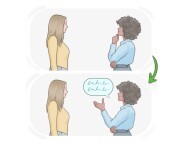
to use words and our voice to show what we are thinking or feeling
říkat, mluvit
On říkal, že chce opustit svou práci a cestovat po světě.
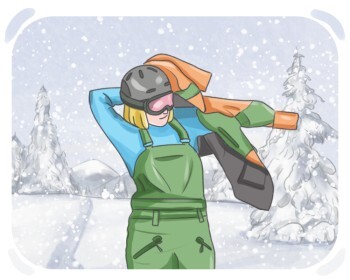
to have something such as clothes, shoes, etc. on your body
nosit, oblékat
Rozhodla se nosit krásné šaty na večírek.
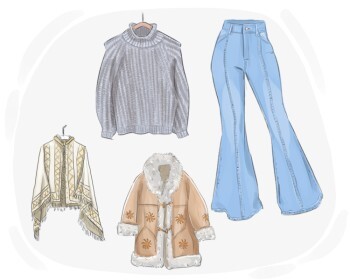
the things we wear to cover our body, such as pants, shirts, and jackets
oblečení, oděvy
Byla nadšená, že si koupí nové oblečení pro letní sezónu.
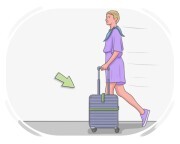
to hold someone or something and take them from one place to another
nést, přepravovat
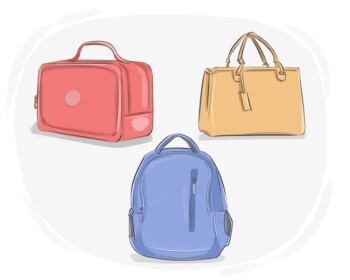
something made of leather, cloth, plastic, or paper that we use to carry things in, particularly when we are traveling or shopping
taška, pytel
Naplnili jsme naši plážovou tašku opalovacím krémem, ručníky a plážovými hračkami.
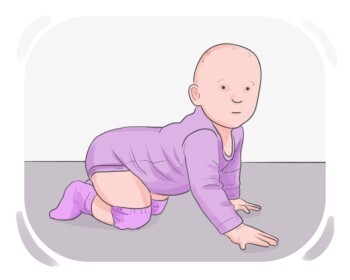
a very young child
miminko, dítě
Chůva byla najata, aby se starala o miminko, zatímco rodiče byli venku.
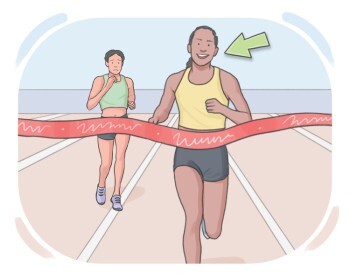
to become the most successful, the luckiest, or the best in a game, race, fight, etc.
vyhrát, zvítězit
Náš tým vyhrál mistrovství po těžké sezóně.

a competition in which two players or teams compete against one another such as soccer, boxing, etc.
zápas
Fotbalový zápas skončil remízou, oba týmy vstřelily po dvou gólech.
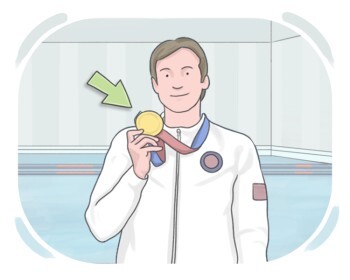
a flat piece of metal, typically of the size and shape of a large coin, given to the winner of a competition or to someone who has done an act of bravery in war, etc.
medaile, vyznamenání
Všechny své medaile uchovává ve speciálním pouzdře.

anything that is given as a reward to someone who has done very good work or to the winner of a contest, game of chance, etc.
cena, odměna
Šampion v hláskování pyšně držel vítěznou medaili jako svou cenu.
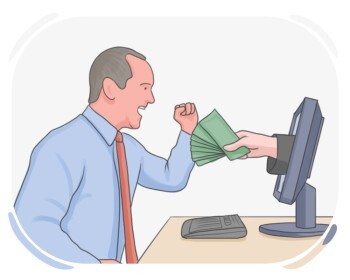
to get money for the job that we do or services that we provide
vydělávat, získat
S novou prací bude vydělávat dvakrát tolik.
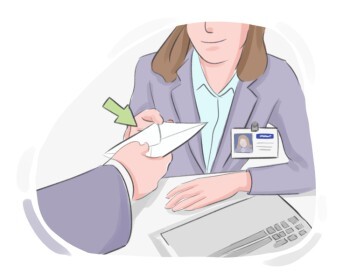
an amount of money we receive for doing our job, usually monthly
plat
Společnost oznámila zvýšení platu pro všechny zaměstnance.
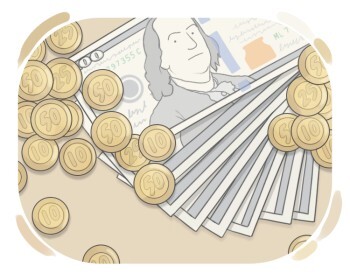
something that we use to buy and sell goods and services, can be in the form of coins or paper bills
peníze, měna
Opravdu si musím šetřit peníze, abych si mohl koupit nové kolo.
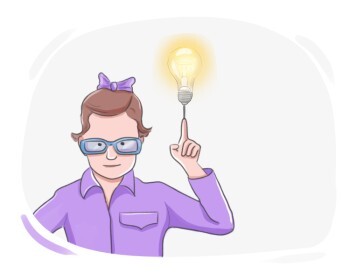
to have some information about something
vědět, znát
Víte, kde je nejbližší čerpací stanice?
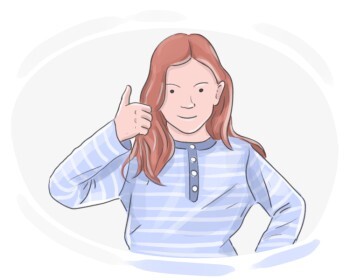
in a way that is right or satisfactory
dobře, správně
V testu se jí dobře dařilo a získala nejlepší známky.
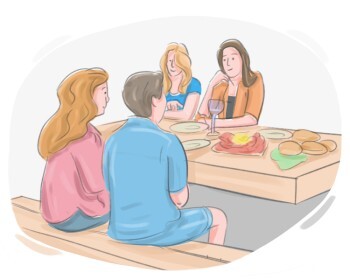
to come together as previously scheduled for social interaction or a prearranged purpose
setkat se, sejít se
Zítra se sejdeme v kavárně na povídání.
(of a person) coming or acting before any other person
první
Je první běžkyní, která překročila cílovou čáru.
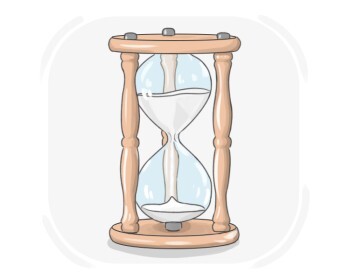
the quantity that is measured in seconds, minutes, hours, etc. using a device like clock
čas
Potřebuji více času, abych dokončil tento projekt.
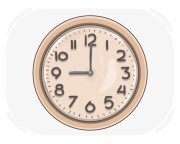
put after the numbers one to twelve to show or tell what time it is, only when it is at that exact hour
hodina, přesně
Máme schůzku v 10 hodin ráno.
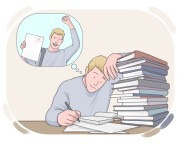
to want something to happen or be true
doufat, přát si
Jak se blíží volby, mnoho občanů doufá v pozitivní změny ve vládě.
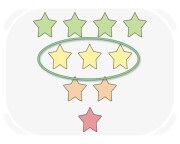
having a quality that is satisfying
dobrý, vynikající
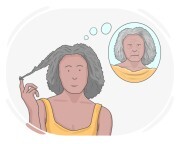
used for forming future tenses
budu, udělám
Dokončím svůj domácí úkol před večeří.
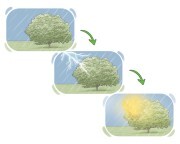
to come into existence by chance or as a consequence
stát se, přihodit se
Někdy se nejlepší nápady stanou, když to nejméně očekáváte.

to perform an action that is not mentioned by name
dělat, provádět
Co děláš zítra?
![to [wait] for {sb/sth}](https://cdn.langeek.co/photo/61300/thumb/350?type=jpeg "to [wait] for {sb/sth}")
to remain in a state of expectation or anticipation for something or someone
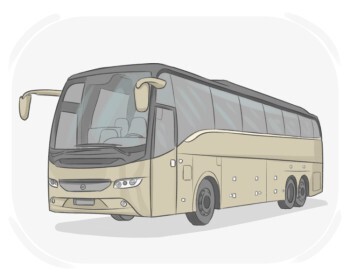
a large vehicle that carries many passengers by road
autobus, městský autobus
Autobus byl plný, takže jsem musel celou cestu stát.
an extended duration of time that is typically longer than what is considered normal or expected
dlouhá doba, dlouhý čas
Mám pocit, že to je už dlouhá doba, co jsem měl dovolenou, a jsem připraven na trochu odpočinku.

to look at a thing or person and pay attention to it for some time
dívat se, pozorovat
Seděl na lavičce v parku a díval se na západ slunce.
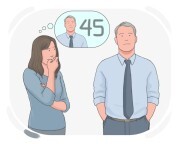
to have a particular appearance or give a particular impression
vypadat, zdát se
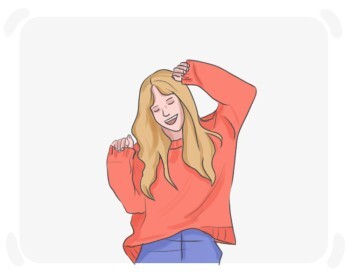
emotionally feeling good or glad
šťastný,spokojený, feeling good or glad
Šťastný pár oslavil své výročí romantickou večeří.
to resemble a thing or person in appearance
vypadat jako, podobat se
Vypadá tento dům jako ten, ve kterém jsi předtím bydlel?
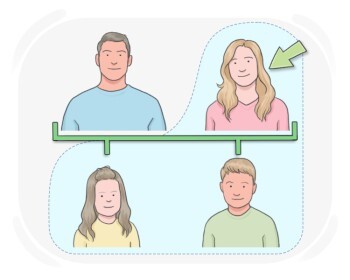
a child's female parent
matka, máma
Matky hrají zásadní roli při výchově a utváření života svých dětí.
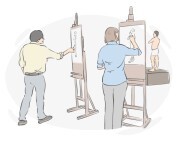
a person who is employed by an artist to pose for a painting, photograph, etc.
model
Umělec najal modelku, aby seděla pro portrét, zachycující jedinečné rysy a výrazy objektu.
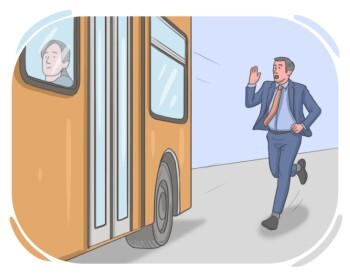
to fail to catch a bus, airplane, etc.
zmeškat, nestihnout
Ztratil jsem se na cestě na letiště a zmeškám svůj let.
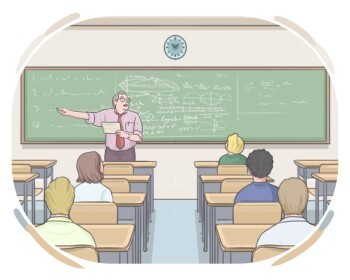
students as a whole that are taught together
třída, skupina
Učitel pozdravil třídu, když vstoupili do třídy, připraveni začít denní vyučování.
to be deprived of or stop having someone or something
ztratit, přijít o
V důsledku hlasité exploze přišla o sluch.
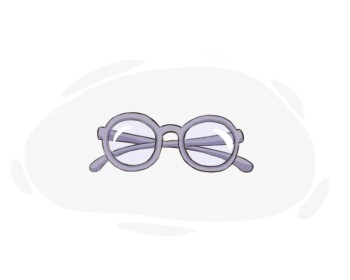
a pair of lenses set in a frame that rests on the nose and ears, which we wear to see more clearly
brýle, čočky
Brýle ho dělají sofistikovanějším a profesionálnějším.
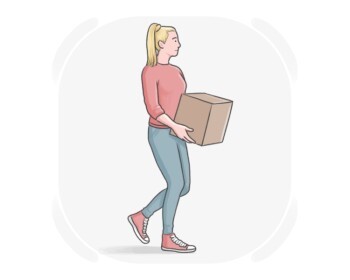
to come to a place with someone or something
přinést, přivést
Můžeme přivést naše domácí mazlíčky do parku?
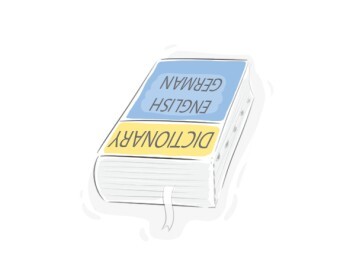
a book or electronic resource that gives a list of words in alphabetical order and explains their meanings, or gives the equivalent words in a different language
slovník, lexikon
Při učení se nového jazyka je užitečné mít po ruce dvojjazyčný slovník.
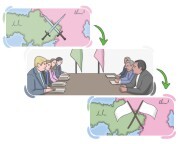
to make something or someone return or be returned to a particular place or condition
vrátit, přivést zpět
Vrátil knihu, kterou si minulý týden vypůjčil.
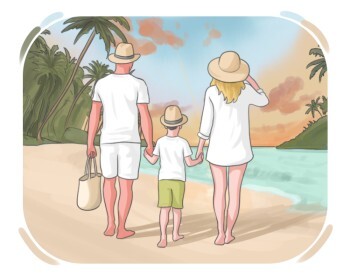
a period of time away from home or work, typically to relax, have fun, and do activities that one enjoys
dovolená, prázdniny
Nemůžu se dočkat dovolené, abych se mohl uvolnit a odpočinout si.
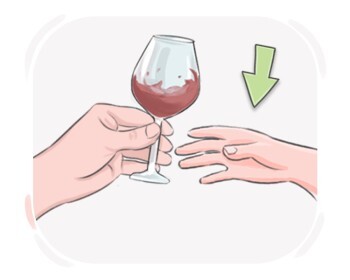
to reach for something and hold it
vzít, uchopit
Vzal si šálek kávy ze stolu a pomalu ho upíjel.
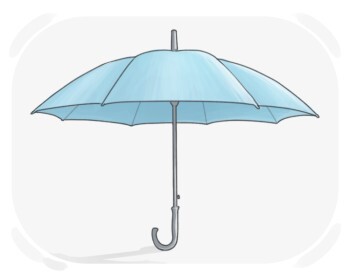
an object with a circular folding frame covered in cloth, used as protection against rain or sun
deštník
Když náhle začalo pršet, všichni spěchali otevřít své deštníky a najít úkryt.
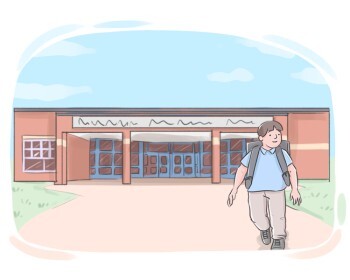
a place where children learn things from teachers
škola, vzdělávací zařízení
Zapomněl si domácí úkol a musel se rychle vrátit do školy, aby si ho vzal.
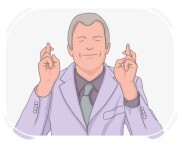
to expect or hope for something
očekávat, doufat
Očekáváme významné zvýšení prodeje v tomto čtvrtletí.
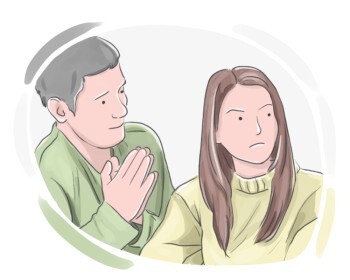
feeling ashamed or apologetic about something that one has or has not done
líto, kající
Učitelka vypadala omlouvavě, když si uvědomila, že úkol nebyl jasný.
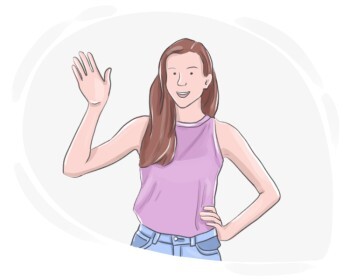
a word we say when we meet someone or answer the phone
ahoj
Ahoj, je dobré tě znovu vidět.
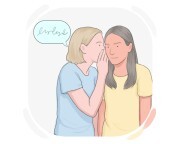
to use words and give someone information
říct, vyprávět
Řekl ti o novém projektu?
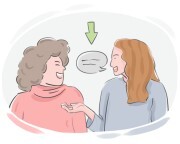
something a person says that is intended to make others laugh
vtip, žert
Jeho pokus o vtip neuspěl a nikdo to nepovažoval za vtipné.
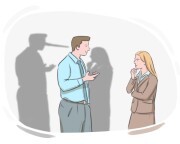
a statement that is false and used intentionally to deceive someone
lež, podvod
Detektiv odhalil lež, která byla řečena, aby zakryla pravdu o incidentu.
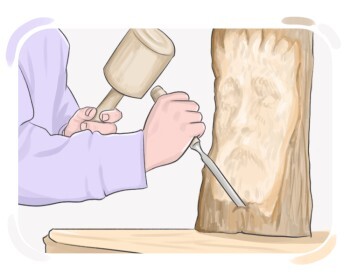
to form, produce, or prepare something, by putting parts together or by combining materials
vyrábět, tvořit
Ručně vyráběné svíčky jsou vyrobeny z vysoce kvalitního včelího vosku nebo sójového vosku.
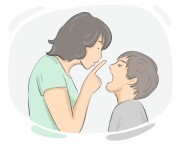
to act in an improper or unacceptable way
chovat se špatně, jednat nepřijatelně
Byl potrestán na týden poté, co jeho rodiče zjistili, že se ve škole špatně choval.
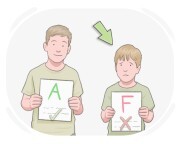
to be unsuccessful in an examination or course
propadnout, selhat
Navzdory usilovnému studiu propadl z matematiky.
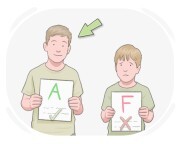
to get the necessary grades in an exam, test, course, etc.
projít, uspět
Složil jsi všechny své zkoušky?
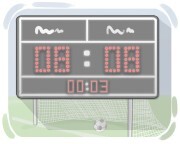
the outcome or final score of a competition, match, test, etc.
výsledek, skóre
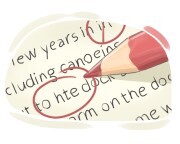
to make changes to something, especially in response to new information, feedback, or a need for improvement
revidovat, upravit
Společnost reviduje svou obchodní strategii s ohledem na měnící se tržní podmínky.
to study a particular subject in school, university, etc.
studovat, brát
Rozhodl se absolvovat volitelný předmět z dějin umění, aby prozkoumal svůj zájem o kulturní vlivy na umění.
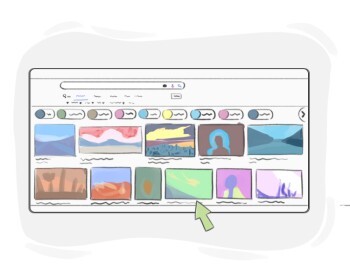
a special kind of picture that is made using a camera in order to make memories, create art, etc.
fotografie
Pořídila krásnou fotografii západu slunce nad oceánem.
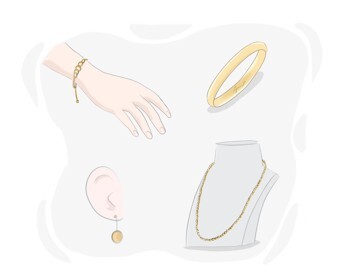
objects such as necklaces, bracelets or rings, typically made from precious metals such as gold and silver, that we wear as decoration
šperky, klenoty
Obchod s šperky nabízel široký výběr náušnic, náhrdelníků a náramků.

an electronic device with a screen that receives television signals, on which we can watch programs
televize, televizor
Zapnula televizi, aby viděla zprávy.
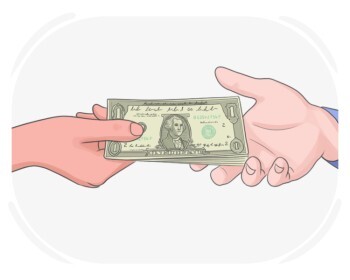
to give someone something, like money, expecting them to give it back after a while
půjčit, vypůjčit
Souhlasila, že svému příteli půjčí nějaké peníze do příští výplaty.
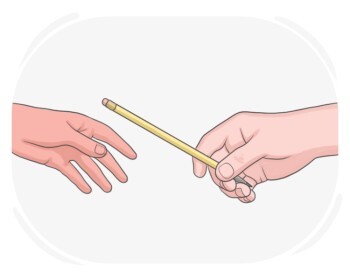
to use or take something belonging to someone else, with the idea of returning it
půjčit si, vypůjčit si
Místo nákupu sekačky na trávu se rozhodl si jednu na víkend půjčit od souseda.
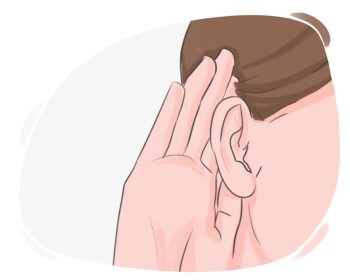
to notice the sound a person or thing is making
slyšet, zaslechnout
Slyšel jsem za sebou kroky a rychle se otočil.
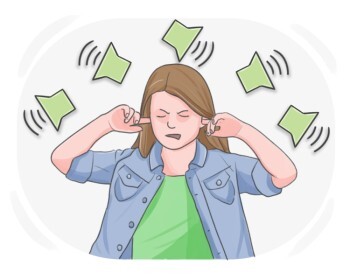
sounds that are usually unwanted or loud
hluk, rámus
Bylo pro něj těžké soustředit se na svou práci se vším tím hlukem z ulice.
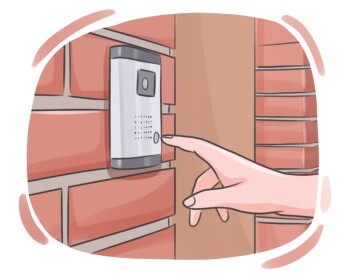
a bell operated by a button outside a house or apartment that makes a sound when pushed, particularly to inform the inhabitants inside
zvonek u dveří, zvonek
Nahradili starý zvonek u dveří novým chytrým modelem, který posílá upozornění na jejich telefony.
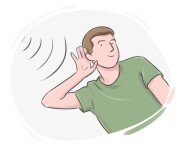
to give our attention to the sound a person or thing is making
poslouchat
Poslouchejte pozorně, a uslyšíte ptáky zpívat na stromech.
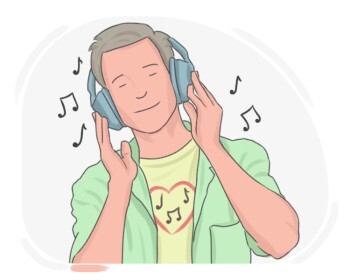
a series of sounds made by instruments or voices, arranged in a way that is pleasant to listen to
hudba
Hraje na klavír a rád skládá krásnou hudbu.
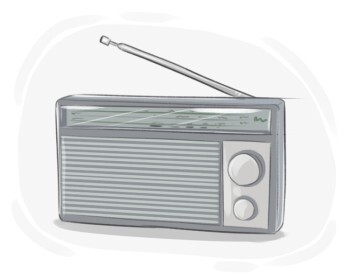
a device that is used for listening to programs that are broadcast
rádio, rádiový přijímač
Během našich cest rádi posloucháme rádio.
