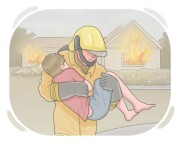
pattern

Vocabulario de Científicos Clave - Louis Pasteur

Revisión

Tarjetas de memoria

formas

Ortografía

Cuestionario

Empezar a aprender
Key Scientists Vocabulary
France
France
[Sustantivo]

a country in Europe known for its famous landmarks such as the Eiffel Tower

Francia

Francia

Ex: Paris, the capital city of France, is home to iconic landmarks such as the Eiffel Tower and Notre-Dame Cathedral. 
leather
leather
[Sustantivo]

material made from animal skin that has been treated to preserve it and make it suitable for use

cuero

cuero

Ex: Daniel polished the leather to keep it from cracking. 
interested
interested
[Adjetivo]

having a feeling of curiosity or attention toward a particular thing or person because one likes them

interesado

interesado

Ex: He sounded interested when I mentioned the project. 

Parecía interesado cuando mencioné el proyecto.
painting
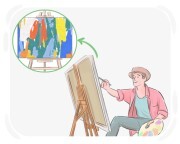
painting
[Sustantivo]

the act or art of making pictures, using paints

pintura
pintura

Ex: Painting requires a balance of creativity and technical skill. 
drawing
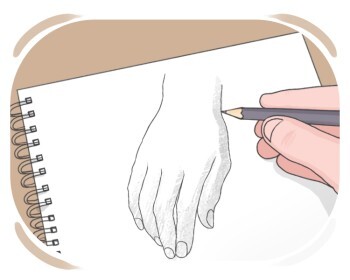
drawing
[Sustantivo]

the activity or art of creating illustrations by a pen or pencil

dibujo

dibujo

Ex: Drawing helps her relax after a long day. 
interested
interested
[Adjetivo]

having a feeling of curiosity or attention toward a particular thing or person because one likes them

interesado

interesado

Ex: He sounded interested when I mentioned the project. 

Parecía interesado cuando mencioné el proyecto.

college
college
[Sustantivo]

a university in which students can study up to a bachelor's degree after graduation from school

universidad
universidad

Ex: The college offers a wide range of courses, from business administration to computer science. 
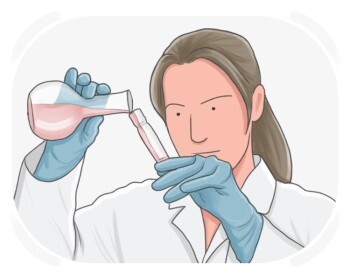
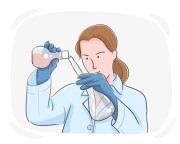
chemist
chemist
[Sustantivo]

a scientist who studies chemistry or works professionally with chemical substances and reactions

químico
químico

Ex: He trained as a chemist before moving into management. 
experiment
experiment
[Sustantivo]

a test done to prove the truthfulness of a hypothesis

experimento

experimento

Ex: The results of the experiment supported the theory of relativity. 
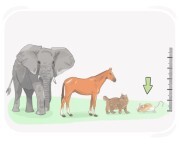
to discover

to find out about or realize the existence, presence, or fact of something

descubrir, encontrar
descubrir, encontrar

Ex: She discovered hiking last summer and loved it immediately. 
tiny
tiny
[Adjetivo]

extremely small

minúsculo

minúsculo

Ex: The tiny ants worked together to carry a big crumb. 
germ
germ
[Sustantivo]

a microscopic organism, especially one that causes disease

germen
germen

Ex: That shopping cart handle is covered in germs, so grab a wipe first. 
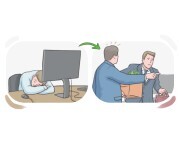
to cause
to cause
[Verbo]

to make something happen, usually something bad

causar, provocar
causar, provocar

Ex: Are you trying to cause a misunderstanding with your words? 
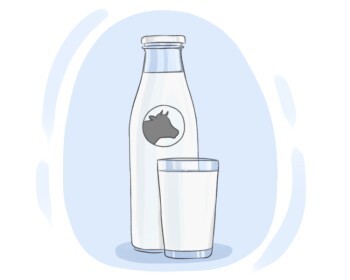
milk
milk
[Sustantivo]

the white liquid we get from cows, sheep, or goats that we drink and use for making cheese, butter, etc.

leche

leche

Ex: Milk is a good source of calcium, which helps in building strong bones and teeth. 
to spoil
to spoil
[Verbo]

to damage something or make it less attractive, useful, enjoyable, or successful

estropear,  arruinar
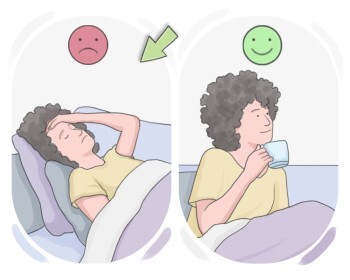
estropear, arruinar

Ex: The scratches spoiled the appearance of the new table. 
sick
sick
[Adjetivo]

not in a good and healthy physical or mental state

enfermo

enfermo

Ex: My father was so sick that he couldn't even get out of bed. 
to kill
to kill
[Verbo]

to end the life of someone or something

matar
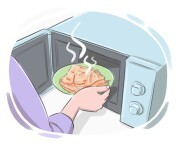
matar

Ex: The murderer used a weapon to kill his victim. 
to heat
to heat
[Verbo]

to raise the temperature of something

calentar

calentar

Ex: Tomorrow, they will heat water for their morning tea. 
pasteurization
pasteurization
[Sustantivo]

partial sterilization of foods at a temperature that destroys harmful microorganisms without major changes in the chemistry of the food

pasteurización

pasteurización

method
method
[Sustantivo]

a specific way or process of doing something, particularly an established or systematic one

método, procedimiento
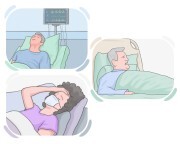
método, procedimiento

Ex: The method of payment for the service can be chosen during checkout. 
disease
disease
[Sustantivo]

an illness in a human, animal, or plant that affects health

enfermedad
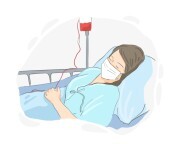
enfermedad

Ex: She campaigns for awareness of the disease. 
to get
to get
[Verbo]

to catch a disease or an illness

tener
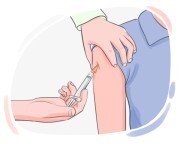
tener

Ex: Many people got COVID-19 during the global pandemic. 
vaccine
vaccine
[Sustantivo]

a substance, often administered through needle injections, that stimulates the body's immune response against harmful diseases

vacuna

vacuna

Ex: Health officials recommended getting a COVID-19 vaccine to curb the spread of the virus. 

Los funcionarios de salud recomendaron recibir una vacuna contra el COVID-19 para frenar la propagación del virus.
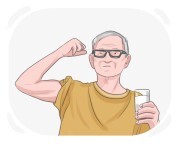
healthy
healthy
[Adjetivo]

(of a person) not having physical or mental problems

sano

sano

Ex: She's a healthy young woman who exercises regularly. 
success
success
[Sustantivo]

an attainment that is successful

éxito,  logro
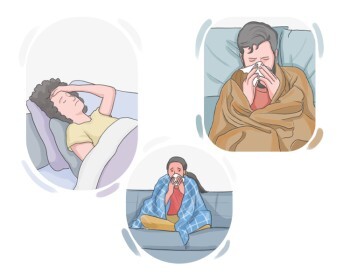
éxito, logro

Ex: Each small success gave her more confidence. 
sickness
sickness
[Sustantivo]

the state of being ill or in poor health

enfermedad
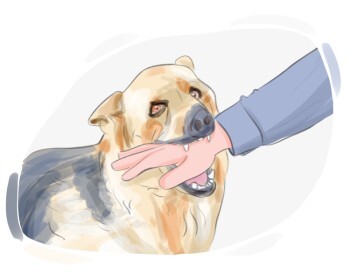
enfermedad

Ex: Sickness prevented him from attending the ceremony. 
bite
bite
[Sustantivo]

a wound or injury inflicted by the teeth of an animal

mordedura

mordedura

Ex: He went to the doctor to treat a bite from a venomous snake. 
discovery
discovery
[Sustantivo]

something that is discovered

descubrimiento

descubrimiento

Ex: The fossil was one of the most important discoveries of the decade. 
all over the (world|globe)

in every part of the world

Ex: The charity's efforts have made an impact all over the world. 
to receive
to receive
[Verbo]

to be given something or to accept something that is sent

recibir

recibir

Ex: The charity received a large donation from an anonymous benefactor. 
award
award
[Sustantivo]

a prize or money given to a person for their great performance

premio

premio

Ex: The book won several literary awards last year. 
work
work
[Sustantivo]

tasks, documents, or projects that a person is currently engaged in or working on

trabajo, labor

trabajo, labor

Ex: She stayed up late to finish the work assigned to her at the office. 
health problem
health problem
[Sustantivo]

a condition or issue that affects a person's physical or mental well-being, ranging from minor illnesses to chronic diseases

problema de salud, afección de salud

problema de salud, afección de salud

Ex: Some health problems require lifelong management and care. 

Algunos problemas de salud requieren manejo y cuidado de por vida.
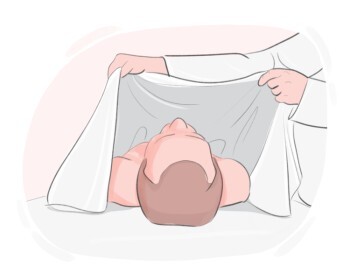
to die
to die
[Verbo]

to no longer be alive

morir

morir

Ex: Despite the efforts of the medical team, the patient succumbed to their illness and died peacefully. 
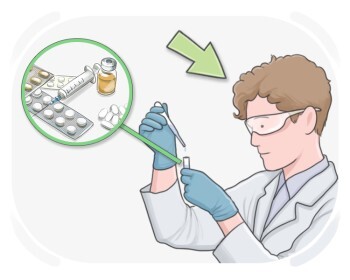
to save
to save
[Verbo]

to keep someone or something safe and away from harm, death, etc.

salvar, conservar
salvar, conservar

Ex: Quick thinking and CPR can save a person's life during a cardiac arrest. 
medicine
medicine
[Sustantivo]

the field of science that is concerned with treating injuries and diseases

medicina
medicina

Ex: The field of medicine encompasses various specialties, including surgery, pediatrics, and psychiatry, each focusing on different aspects of patient care. 
stroke
stroke
[Sustantivo]

a dangerous condition in which a person loses consciousness as a result of a blood vessel breaking open or becoming blocked in their brain, which could kill or paralyze a part of their body

apoplejía, derrame cerebral
apoplejía, derrame cerebral

Ex: Immediate medical attention is crucial for stroke treatment to minimize brain damage and potential long-term disabilities. 
treatment
treatment
[Sustantivo]

an action that is done to relieve pain or cure a disease, wound, etc.

tratamiento

tratamiento

Ex: Physical therapy was a crucial aspect of her treatment plan to rehabilitate her injured knee. 
LanGeek
Descargar la aplicación LanGeek