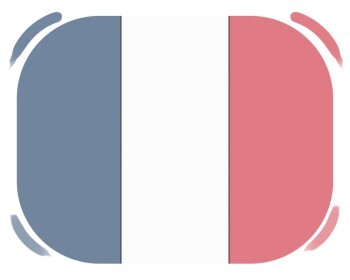
a country in Europe known for its famous landmarks such as the Eiffel Tower

フランス
フランスはその豊かな歴史と文化的遺産で知られています。
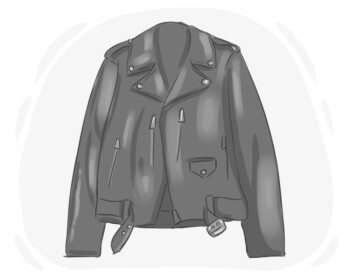
strong material made from animal skin and used for making clothes, bags, shoes, etc.
革
彼は何年も持ち、年を重ねるごとに良くなるだけの高品質な革のジャケットに投資することを決めました。
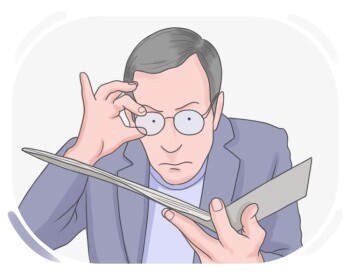
having a feeling of curiosity or attention toward a particular thing or person because one likes them
興味がある, 好奇心旺盛な
彼女はフランス語を学ぶことに本当に興味を持っていました。
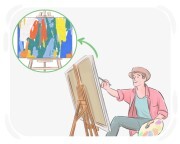
the act or art of making pictures, using paints
絵画
私は放課後のクラスで絵画の芸術について学んでいます。
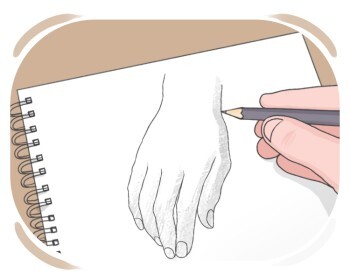
the activity or art of creating illustrations by a pen or pencil
描画, 描画の芸術
彼は暇な時に絵を描くことを楽しんでいます。
having a feeling of curiosity or attention toward a particular thing or person because one likes them
興味がある, 好奇心旺盛な
彼女はフランス語を学ぶことに本当に興味を持っていました。
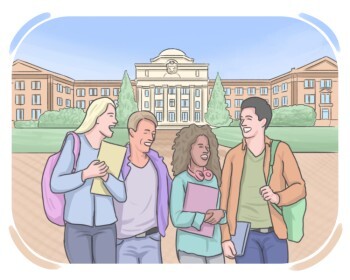
a university in which students can study up to a bachelor's degree after graduation from school
大学, 学部
高校を卒業した後、サラは生物学者になるという夢を追いかけるために、名門大学に通うことを決めました。
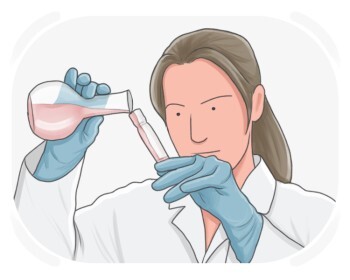
a scientist who studies chemistry
化学者, 化学の科学者
化学者として、彼は常に安全ゴーグルを着用していました。
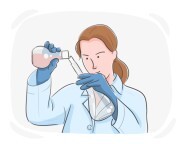
a test done to prove the truthfulness of a hypothesis
実験
科学者たちは新しい仮説をテストするために実験を行いました。

to find out about or realize the existence, presence, or fact of something
発見する, 見つける
絵を描いてみた後、彼は芸術に対する隠れた才能を発見しました。
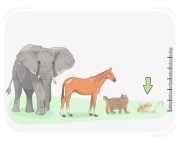
extremely small
非常に小さい, ちっぽけな
彼はビーチでとても小さい貝殻を見つけました。

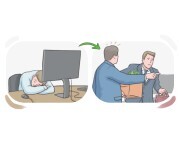
to make something happen, usually something bad
引き起こす, 生じさせる
授業でこれ以上問題を引き起こさないでください。
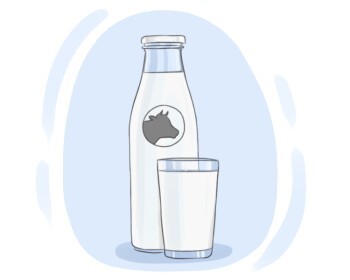
the white liquid we get from cows, sheep, or goats that we drink and use for making cheese, butter, etc.
牛乳
牛乳を摂取することは、ビタミンAの存在により健康な肌を維持するのに役立ちます。
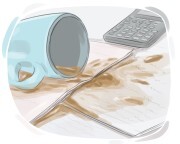
to harm, damage, or ruin something
台無しにする, 損なう
野外イベント中の大雨は、慎重に配置された装飾を台無しにする恐れがありました。
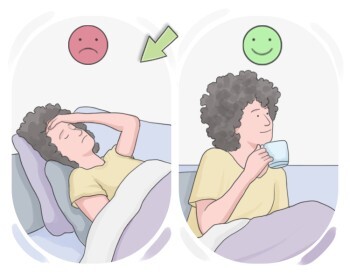
not in a good and healthy physical or mental state
病気の, 吐き気がする
牛乳が悪かったと思う; それが私を病気にさせた。
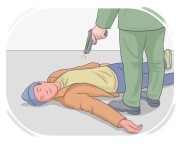
to end the life of someone or something
殺す, 命を奪う
狩人は食べ物のために鹿を殺すために慎重に狙いを定めた。
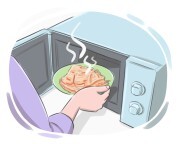
to raise the temperature of something
温める, 加熱する
シェフは現在、ストーブでソースを加熱しています。
partial sterilization of foods at a temperature that destroys harmful microorganisms without major changes in the chemistry of the food
低温殺菌
a specific way or process of doing something, particularly an established or systematic one
方法, 手法
科学的な方法には、系統的な観察、測定、実験が含まれます。
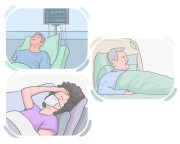
an illness in a human, animal, or plant that affects health
病気, 疾患
多くの人々がこの致命的な病気を根絶するために疲れを知らずに働いています。
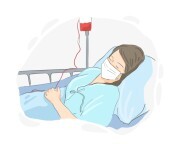
to catch a disease or an illness
かかる, 感染する
彼女は仕事でウイルスにさらされた後、風邪をひいた。
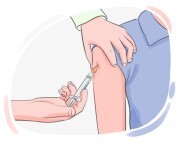
a substance, often administered through needle injections, that stimulates the body's immune response against harmful diseases
ワクチン
新しいワクチンは、インフルエンザウイルスから保護するために開発されました。
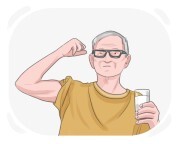
(of a person) not having physical or mental problems
健康な, 健やかな
彼女は年齢にもかかわらず、とても健康で活発です。
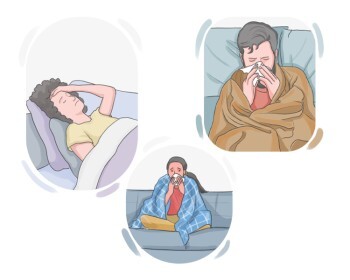
the state of being unwell
病気, 体調不良
彼はひどい病気で何日もベッドにいます。
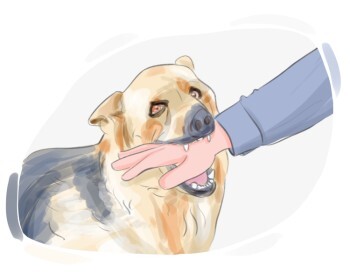
a wound or injury inflicted by the teeth of an animal
咬傷, 刺し傷
獣医は馬の首の咬み傷を治療した。
in every part of the world

to be given something or to accept something that is sent
受け取る, 受ける
私たちは彼らの結婚式への招待状を受け取りました。

a prize or money given to a person for their great performance
賞, 表彰
彼女は映画での仕事に対して生涯功労賞を受賞しました。
tasks, documents, or projects that a person is currently engaged in or working on
仕事, 作業
締め切り前に終わらせるべき仕事がたくさんあります。
a condition or issue that affects a person's physical or mental well-being, ranging from minor illnesses to chronic diseases
健康問題, 健康障害
喫煙は時間の経過とともに深刻な 健康問題 を引き起こす可能性があります。
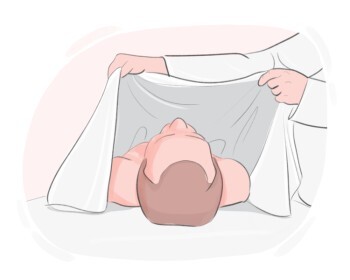
to no longer be alive
死ぬ, 亡くなる
残念ながら、彼女のペットの魚は1週間体調が悪かった後で死んでしまいました。
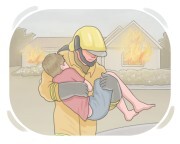
to keep someone or something safe and away from harm, death, etc.
救う, 保護する
ライフガードは、苦境にある水泳選手を救うために疲れ知らずに働きます。
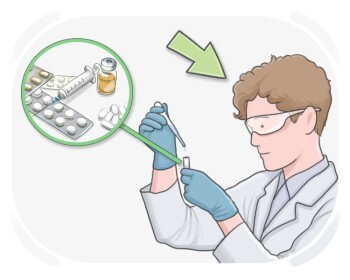
the field of science that is concerned with treating injuries and diseases
医学
何年もの厳しい勉強の末、彼女は医学部を卒業し、医学の分野でキャリアを始め、患者が病気から回復するのを助けることに興奮していました。
a dangerous condition in which a person loses consciousness as a result of a blood vessel breaking open or becoming blocked in their brain, which could kill or paralyze a part of their body
脳卒中, 卒中
脳卒中は、脳内の血管が詰まる(虚血性脳卒中)か破裂する(出血性脳卒中)ときに起こります。