pattern

A2 Level Wordlist - Science and the Natural World

Here you will learn some English words about science and the natural world, such as "atom", "chemical", and "organism", prepared for A2 learners.

Review

Flashcards

Forms

Spelling

Quiz

Start learning
CEFR A2 Vocabulary
atom
atom
[noun]

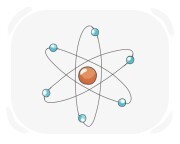
(science) the smallest part of a chemical element that is found in the nature

Ex: Scientists use sophisticated instruments such as electron microscopes to observe and study the structure of atoms.
Close
Sign in
organism
organism
[noun]

a living thing such as a plant, animal, etc., especially a very small one that lives on its own
Ex: A single-celled organism, such as an amoeba , can exhibit complex behaviors .
Close
Sign in
chemical
chemical
[Adjective]

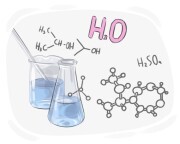
made by a process that involves chemistry
Ex: Industrial processes often involve the use of chemical substances for manufacturing goods.
Close
Sign in
gas
gas
[noun]

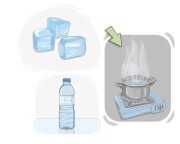
the state of a substance that is neither solid nor liquid
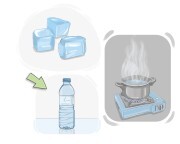
Ex: She felt dizzy after inhaling the toxic gas released from the factory .
Close
Sign in
liquid
liquid
[noun]

the state of a substance that is without shape and can flow easily
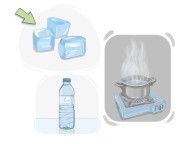
Ex: The lava flowing from the volcano resembled a molten liquid.
Close
Sign in
solid
solid
[noun]

a substance that is firm and has a certain shape, not like gas or liquid

Ex: The solid in the container was difficult to break apart without tools.
Close
Sign in
material
material
[noun]

a substance from which things can be made
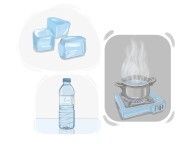
Ex: Glass is a transparent material made from silica and other additives , used for making windows , containers , and decorative objects .
Close
Sign in
substance
substance
[noun]

a particular kind of matter in gas, solid, or liquid form

Ex: When heated , the solid substance melted into a clear , viscous liquid .
Close
Sign in
electric
electric
[Adjective]

relating to, produced by, or using electricity
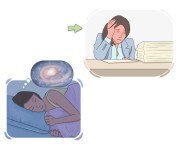
Ex: Our camping trip was made much easier with the help of an electric lantern to light our way at night .
Close
Sign in
real
real
[Adjective]

having actual existence and not imaginary
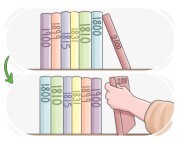
Ex: The tears in her eyes were real as she said goodbye to her beloved pet .
Close
Sign in
systematic
systematic
[Adjective]

done according to a planned and orderly system
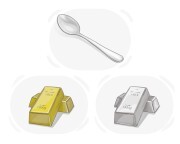
Ex: She took a systematic approach to solving the problem , following a step-by-step method .
Close
Sign in
metal
metal
[noun]

a usually solid and hard substance that heat and electricity can move through, such as gold, iron, etc.
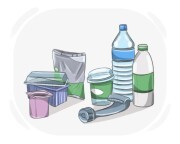
Ex: Mercury is a unique metal that is liquid at room temperature , commonly used in thermometers and barometers .
Close
Sign in
plastic
plastic
[noun]

a light substance produced in a chemical process that can be formed into different shapes when heated

Ex: The dentist fashioned a temporary crown out of dental plastic.
Close
Sign in
iron
iron
[noun]

a metallic chemical element with a silvery-gray appearance, widely used for making tools, steel, buildings, and various industrial products
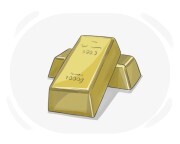
Ex: Children need sufficient iron for proper growth and development .
Close
Sign in
gold
gold
[noun]

a valuable yellow-colored metal that is used for making jewelry
Ex: The Olympic medals are traditionally made of gold, silver , and bronze .
Close
Sign in
silver
silver
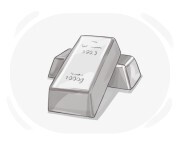
[noun]

a shiny grayish-white metal of high value that heat and electricity can move through it and is used in jewelry making, electronics, etc.
Ex: The Olympic medal for second place is traditionally made of silver.
Close
Sign in
carbon
carbon
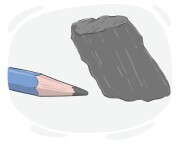
[noun]

a nonmetal element that can be found in all organic compounds and living things
Ex: Activated carbon is widely used in filtration systems to remove impurities.
Close
Sign in
oxygen
oxygen
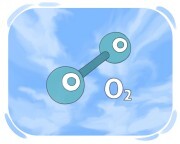
[noun]

a chemical element in gas form with no color that living things need for breathing
Ex: Blood transports oxygen from the lungs to the tissues of the body .
Close
Sign in
stone
stone
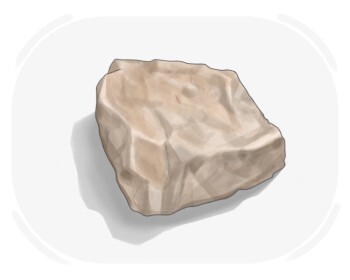
[noun]

a hard material, usually made of minerals, and often used for building things

Ex: The quarry produces various types of stone for construction projects .
Close
Sign in
to research

to study a subject carefully and systematically to discover new facts or information about it

Ex: The students researched different sources for their science project .
Close
Sign in
method
method
[noun]

a specific way or process of doing something, particularly an established or systematic one

Ex: The Montessori method emphasizes hands-on learning and self-directed exploration for young children .
Close
Sign in
example
example
[noun]

a sample, showing what the rest of the data is typically like

Ex: When analyzing the feedback , they highlighted several instances of constructive criticism , with one particular comment standing out as an example of the overall sentiment .
Close
Sign in
to invent
to invent
[Verb]

to make or design something that did not exist before
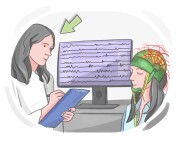
Ex: By 2030 , scientists might invent a cure for this disease .
Close
Sign in
inventor
inventor
[noun]

someone who makes or designs something that did not exist before
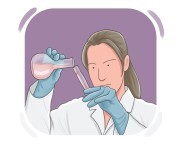
Ex: Alexander Graham Bell , the inventor of the telephone , forever changed the way people communicate over long distances .
Close
Sign in
to discover

to be the first person who finds something or someplace that others did not know about

Ex: The archaeologists discovered an ancient city buried beneath the sand .
Close
Sign in
discovery
discovery
[noun]

the act of finding something for the first time and before others
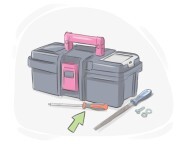
Ex: The discovery of a hidden chamber in the pyramid opened up new avenues of exploration for archaeologists .
Close
Sign in
tool
tool
[noun]

something such as a hammer, saw, etc. that is held in the hand and used for a specific job
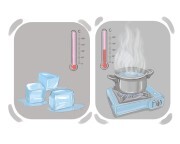
Ex: A wrench is a handy tool for tightening or loosening bolts and nuts .
Close
Sign in
fact
fact
[noun]

something that is known to be true or real, especially when it can be proved

Ex: The detective gathered facts and clues to solve the mystery.
Close
Sign in
reason
reason
[noun]

something that explains an action or event
Ex: Understanding the reason for his behavior helped to resolve the conflict .
Close
Sign in
technology

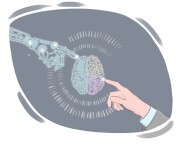
the application of scientific knowledge for practical purposes, especially in industry

Ex: The company is focused on developing new technology to improve healthcare .
Close
Sign in
data
data
[noun]

information or facts collected to be used for various purposes

Ex: The census collects demographic data to understand population trends .
Close
Sign in
focus
focus
[noun]

the act of directing your attention and energy toward a particular thing or task
Ex: The students ' lack of focus in class was evident as they struggled to complete their assignments on time .
Close
Sign in
engine
engine
[noun]

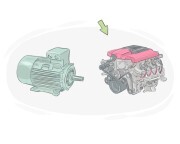
the part of a vehicle that uses a particular fuel to make the vehicle move
Ex: The new electric car features a powerful engine that provides fast acceleration .
Close
Sign in
sound
sound
[noun]

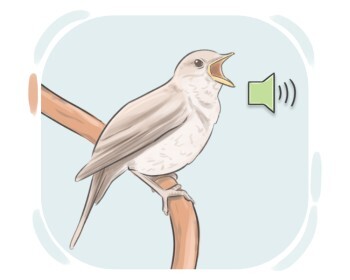
anything that we can hear

Ex: The concert hall was filled with the beautiful sound of classical music .
Close
Sign in
laboratory

a place where people do scientific experiments, manufacture drugs, etc.
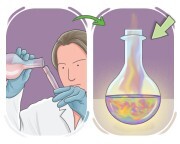
Ex: Food scientists work in laboratories to develop new food products and improve food safety standards .
Close
Sign in
result
result
[noun]

something that is caused by something else

Ex: The company 's restructuring efforts led to positive financial results.
Close
Sign in
LanGeek
Download LanGeek app