pattern

A2 Ordlista - Vetenskap och den Naturliga Världen

Här kommer du att lära dig några engelska ord om vetenskap och den naturliga världen, såsom "atom", "kemikalie" och "organisme", förberedda för A2-inlärare.

Recension

Flashcards

Stavning

Quiz

Starta lärandet
CEFR A2 Vocabulary
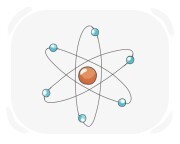
atom
atom
[Substantiv]

(science) the smallest part of a chemical element that is found in the nature

atom, elementarpartikel

atom, elementarpartikel

Ex: The atom is composed of a nucleus containing protons and neutrons, surrounded by electrons. 
Stäng
Logga in
organism
organism
[Substantiv]

a living thing such as a plant, animal, etc., especially a very small one that lives on its own

organism, levande varelse

organism, levande varelse

Ex: The pond ecosystem is home to a variety of organisms, including fish, algae, and bacteria. 
Stäng
Logga in
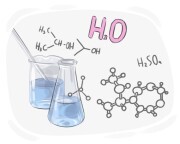
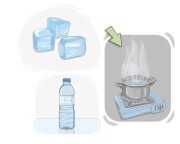
chemical
chemical
[adjektiv]

made by a process that involves chemistry

kemisk
kemisk

Ex: Many household cleaning products contain chemical ingredients for effective sanitation. 
Stäng
Logga in
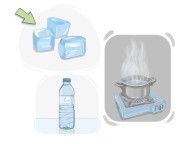
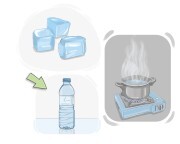
gas
gas
[Substantiv]

the state of a substance that is neither solid nor liquid

gas
gas

Ex: The gas in the balloon expanded as it was heated by the sun. 
Stäng
Logga in
liquid
liquid
[Substantiv]

the state of a substance that is without shape and can flow easily

vätska, fluid

vätska, fluid

Ex: The chemist poured the liquid into a beaker for analysis. 
Stäng
Logga in
solid
solid
[Substantiv]

a substance that is firm and has a certain shape, not like gas or liquid

fast form, fast ämne

fast form, fast ämne

Ex: Ice is a solid that maintains its shape until it melts. 
Stäng
Logga in
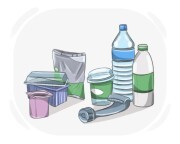
material
material
[Substantiv]

a substance from which things can be made

material, ämne
material, ämne

Ex: Steel is a strong and durable material commonly used in the manufacturing of buildings, vehicles, and machinery. 
Stäng
Logga in
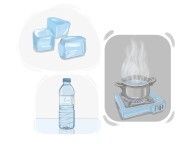
substance
substance
[Substantiv]

a particular kind of matter in gas, solid, or liquid form

substans, materia
substans, materia

Ex: The chemist carefully poured the substance into the beaker, observing how it reacted with the other chemicals. 
Stäng
Logga in
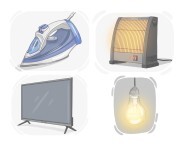
electric
electric
[adjektiv]

relating to, produced by, or using electricity

elektrisk
elektrisk

Ex: The electric lights in the room flickered as the storm outside intensified. 
Stäng
Logga in
real
real
[adjektiv]

having actual existence and not imaginary

verklig, riktig

verklig, riktig

Ex: The real world is often different from dreams and fantasies. 
Stäng
Logga in
systematic
systematic
[adjektiv]

done according to a planned and orderly system

systematisk, metodisk

systematisk, metodisk

Ex: The systematic approach to problem-solving involved following a clear step-by-step procedure. 
Stäng
Logga in
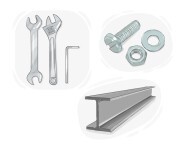
metal
metal
[Substantiv]

a usually solid and hard substance that heat and electricity can move through, such as gold, iron, etc.

metall
metall

Ex: Iron is a commonly used metal in construction and manufacturing. 
Stäng
Logga in
plastic
plastic
[Substantiv]

a light substance produced in a chemical process that can be formed into different shapes when heated

plast
plast

Ex: Many household items, such as containers and toys, are made from plastic. 
Stäng
Logga in
iron
iron
[Substantiv]

a metallic chemical element with a silvery-gray appearance, widely used for making tools, steel, buildings, and various industrial products

järn, metall
järn, metall

Ex: Iron is commonly used in construction to make buildings and bridges. 
Stäng
Logga in
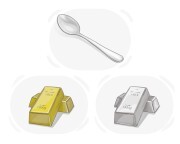
gold
gold
[Substantiv]

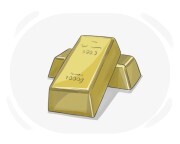
a valuable yellow-colored metal that is used for making jewelry

guld
guld

Ex: She wore a necklace adorned with a pendant made of gold. 
Stäng
Logga in
silver
silver
[Substantiv]

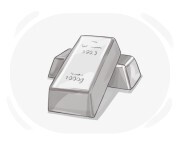
a shiny grayish-white metal of high value that heat and electricity can move through it and is used in jewelry making, electronics, etc.

silver, silvermetall
silver, silvermetall

Ex: She wore a necklace adorned with a pendant made of silver. 
Stäng
Logga in
carbon
carbon
[Substantiv]

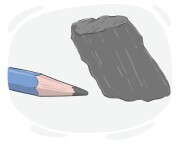
a nonmetal element that can be found in all organic compounds and living things

kol, kol

kol, kol

Ex: Graphite, used in pencils, is another allotrope of carbon. 
Stäng
Logga in
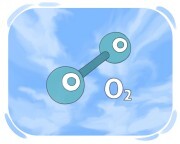
oxygen
oxygen
[Substantiv]

a chemical element in gas form with no color that living things need for breathing

syre, O₂

syre, O₂

Ex: Trees release oxygen into the atmosphere as a byproduct of photosynthesis. 
Stäng
Logga in
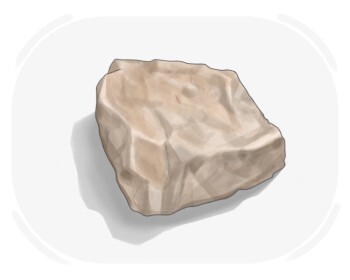
stone
stone
[Substantiv]

a hard material, usually made of minerals, and often used for building things

sten

sten

Ex: The old castle was built entirely of stone, giving it a sturdy and imposing appearance. 
Stäng
Logga in
to research

to study a subject carefully and systematically to discover new facts or information about it

forska, studera

forska, studera

Ex: Before buying a new laptop, I researched different brands and models. 
Stäng
Logga in
method
method
[Substantiv]

a specific way or process of doing something, particularly an established or systematic one

metod, förfarande

metod, förfarande

Ex: The scientific method involves systematic observation, measurement, and experimentation. 
Stäng
Logga in
example
example
[Substantiv]

a sample, showing what the rest of the data is typically like

exempel, prov

exempel, prov

Ex: This participant serves as an example of the elderly demographic. 
Stäng
Logga in
to invent
to invent
[Verb]

to make or design something that did not exist before

uppfinna, skapa

uppfinna, skapa

Ex: Thomas Edison invented the electric light bulb, revolutionizing illumination. 
Stäng
Logga in
inventor
inventor
[Substantiv]

someone who makes or designs something that did not exist before

uppfinnare, skapare

uppfinnare, skapare

Ex: Thomas Edison is renowned as an inventor for creating the electric light bulb. 
Stäng
Logga in
to discover

to be the first person who finds something or someplace that others did not know about

upptäcka, utforska

upptäcka, utforska

Ex: By the time we got there, they had already discovered the ancient ruins. 
Stäng
Logga in
discovery
discovery
[Substantiv]

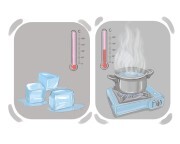
the act of finding something for the first time and before others

upptäckt, fynd
upptäckt, fynd

Ex: The discovery of penicillin revolutionized medicine by introducing the first antibiotic. 
Stäng
Logga in
tool
tool
[Substantiv]

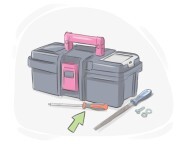
something such as a hammer, saw, etc. that is held in the hand and used for a specific job

verktyg
verktyg

Ex: The carpenter used a hammer as his primary tool for driving nails. 
Stäng
Logga in
fact
fact
[Substantiv]

something that is known to be true or real, especially when it can be proved

faktum, verklighet

faktum, verklighet

Ex: It is a fact that the Earth revolves around the sun. 
Stäng
Logga in
reason
reason
[Substantiv]

something that explains an action or event

skäl, anledning
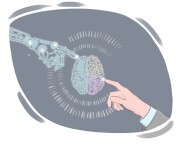
skäl, anledning

Ex: She provided a valid reason for being late to the meeting. 
Stäng
Logga in
technology
technology
[Substantiv]

the application of scientific knowledge for practical purposes, especially in industry

teknologi, teknik

teknologi, teknik

Ex: The technology used in modern smartphones has advanced rapidly. 
Stäng
Logga in
data
data
[Substantiv]

information or facts collected to be used for various purposes

data, information

data, information

Ex: The scientist analyzed the data collected from the experiment. 
Stäng
Logga in
focus
focus
[Substantiv]

the act of directing your attention and energy toward a particular thing or task

fokus,  uppmärksamhet
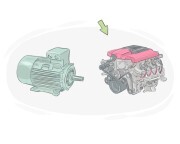
fokus, uppmärksamhet

Ex: She needed to maintain her focus during the exam to ensure she answered all the questions accurately. 
Stäng
Logga in
engine
engine
[Substantiv]

the part of a vehicle that uses a particular fuel to make the vehicle move

motor, drivkraft
motor, drivkraft

Ex: The mechanic repaired the engine of the car, which had been making strange noises. 
Stäng
Logga in
sound
sound
[Substantiv]

anything that we can hear

ljud, buller

ljud, buller

Ex: The sound of birds chirping greeted us as we entered the park. 
Stäng
Logga in
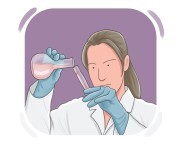
laboratory
laboratory
[Substantiv]

a place where people do scientific experiments, manufacture drugs, etc.

laboratorium, lab

laboratorium, lab

Ex: The chemistry students conducted experiments in the laboratory to study chemical reactions. 
Stäng
Logga in
result
result
[Substantiv]

something that is caused by something else

resultat, effekt

resultat, effekt

Ex: The medication had the desired result of reducing the patient's symptoms. 
Stäng
Logga in
LanGeek
Ladda ner LanGeek app