
pattern

Cambridge IELTS 15 - Académico - Prueba 2 - Lectura - Pasaje 3

Aprende vocabulario del Cambridge IELTS 15 Academic, Test 2 Reading Passage 3, y repasa palabras y expresiones útiles de este texto de lectura.

Revisión

Tarjetas de memoria

formas

Ortografía

Cuestionario
Empezar a aprender
Cambridge IELTS 15 - Academic
to [have] a laugh

to share moments of humor and laughter with others

Ex: After a long day, they had a good laugh over funny stories. 
sense of humor

one's ability to say funny things or be amused by jokes and other things meant to make one laugh

sentido del humor, humor

sentido del humor, humor

Ex: He has no sense of humor and takes every joke personally. 

No tiene sentido del humor y se toma cada broma como algo personal.

in response to
in response to
[Preposición]

as a reaction or answer to something

en respuesta a, como reacción a

en respuesta a, como reacción a

Ex: In response to the increased demand, the company has expanded its production capacity. 

En respuesta a la mayor demanda, la empresa ha ampliado su capacidad de producción.

stimulus
stimulus
[Sustantivo]

something that causes or prompts a physical, psychological, or behavioral response

estímulo

estímulo

Ex: A sudden noise can act as a stimulus that triggers a fear response. 
resource
resource
[Sustantivo]

(usually plural) means such as equipment, money, manpower, etc. that a person or organization can benefit from

recurso

recurso

Ex: The organization allocated human resources strategically to meet project deadlines. 
to range
to range
[Verbo]

to have or include a variety of what is mentioned

abarcar, oscilar

abarcar, oscilar

Ex: The discussion will range over various topics related to the company's future plans. 
neuroscience
neuroscience
[Sustantivo]

the scientific study of the nervous system

neurociencia

neurociencia

perception
perception
[Sustantivo]

the image or idea that is formed based on how one understands something

imagen

imagen

Ex: His perception of the situation was affected by previous experiences. 
evolution
evolution
[Sustantivo]

the process by which populations of living organisms change genetically across successive generations

evolución

evolución

Ex: Natural selection is one of the major mechanisms of evolution. 
adaptation
adaptation
[Sustantivo]

the process of adjusting or modifying oneself or something to fit new circumstances or conditions

adaptación, ajuste

adaptación, ajuste

Ex: The process of adaptation has led to significant changes in the local culture. 
laugh track
laugh track
[Sustantivo]

pre-recorded laughter added to a radio or television show to make it seem like the audience is having a laugh

risas enlatadas, risas grabadas

risas enlatadas, risas grabadas

Ex: The laugh track helped fill the silence after every punchline. 

La pista de risa ayudó a llenar el silencio después de cada remate.

to intend
to intend
[Verbo]

to have something in mind as a plan or purpose

tener la intención de

tener la intención de

Ex: They intend to save money for a down payment on a house. 
to pick up on

to notice something that is not immediately obvious

notar, captar una señal sutil

notar, captar una señal sutil

Ex: I didn't tell him about my promotion, but he picked up on it when he saw the new nameplate on my desk. 

No le dije acerca de mi ascenso, pero se dio cuenta cuando vio la nueva placa en mi escritorio.

to conduct
to conduct
[Verbo]

to direct or participate in the management, organization, or execution of something

llevar

llevar

Ex: As the event coordinator, she will conduct the planning and execution of the conference. 
indigenous
indigenous
[Adjetivo]

relating to the original inhabitants of a particular region or country, who have distinct cultural, social, and historical ties to that land

indígena,  autóctono

indígena, autóctono

Ex: The festival celebrated the rich cultural heritage of the indigenous people, featuring traditional music, dance, and crafts. 

El festival celebró el rico patrimonio cultural de los pueblos indígenas, con música, danza y artesanías tradicionales.

tribe
tribe
[Sustantivo]

a social group of families or communities connected by shared ancestry, culture, language, traditions, or leadership

Ex: Sarah studied how the tribe adapted to changes in its environment. 
anthropologist
anthropologist
[Sustantivo]

a scientist who studies human beings, especially their societies, cultures, languages, and physical development, both past and present

antropólogo, etnólogo

antropólogo, etnólogo

Ex: The museum hired an anthropologist to curate its cultural exhibits. 

El museo contrató a un antropólogo para curar sus exposiciones culturales.

diverse
diverse
[Adjetivo]

showing a variety of distinct types or qualities

diverso

diverso

Ex: She enjoys listening to diverse genres of music, from classical to jazz. 

A ella le gusta escuchar diversos géneros de música, desde el clásico hasta el jazz.

dweller
dweller
[Sustantivo]

a person or animal that resides in a particular place or habitat

habitante, residente

habitante, residente

Ex: The forest is home to a variety of animal dwellers. 

El bosque es hogar de una variedad de habitantes animales.
consistent
consistent
[Adjetivo]

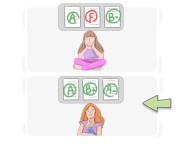
following the same course of action or behavior over time

constante

constante

Ex: His consistent kindness towards others earned him the reputation of being a reliable friend. 

Su constante amabilidad hacia los demás le valió la reputación de ser un amigo confiable.
approximately
approximately
[Adverbio]

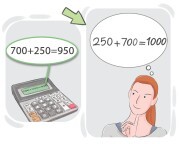
used to say that something such as a number or amount is not exact

aproximadamente, más o menos

aproximadamente, más o menos

Ex: The meeting is scheduled to start at 3 PM, give or take approximately 15 minutes. 

La reunión está programada para comenzar a las 3 PM, aproximadamente 15 minutos más o menos.

to serve
to serve
[Verbo]

to produce a specific result or effect

servir, contribuir

servir, contribuir

Ex: His actions served only to make the situation worse. 
code
code
[Sustantivo]

a set of letters, numbers, or symbols used to classify or identify something

código, clave
código, clave

Ex: The discount code gave her 20% off the purchase. 
hierarchy
hierarchy
[Sustantivo]

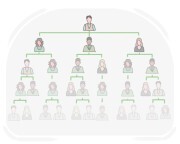
a system in which people are ranked at different levels according to their status, authority, or importance

jerarquía
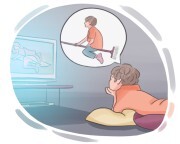
jerarquía

Ex: Social hierarchy influenced where people lived and worked. 
to influence

to have an effect on a particular person or thing

influenciar, influir

influenciar, influir

Ex: Educational experiences during childhood can significantly influence cognitive development. 
dominant
dominant
[Adjetivo]

having superiority in power, influence, or importance

dominante

dominante

Ex: The company has a dominant position in the market, outpacing all competitors. 
submissive
submissive
[Adjetivo]

showing a tendency to be passive or compliant

sumiso

sumiso

Ex: The submissive nature of the character in the novel highlighted the power dynamics at play. 

La naturaleza sumisa del personaje en la novela destacó las dinámicas de poder en juego.

to assign
to assign
[Verbo]

to place someone or something in a particular category, class, or group

asignar,  clasificar

asignar, clasificar

Ex: Researchers assigned each participant to one of three age groups. 
to compose
to compose
[Verbo]

to form or make up the parts of a whole

componer,  constituir

componer, constituir

Ex: These three departments compose the new division. 
fraternity
fraternity
[Sustantivo]

a social club for male students in a university or college, especially in the US and Canada

fraternidad

fraternidad

Ex: Members of the fraternity often lived together in a shared house near campus. 

Los miembros de la fraternidad solían vivir juntos en una casa compartida cerca del campus.

to tease
to tease
[Verbo]

to playfully annoy someone by making jokes or sarcastic remarks

bromear, molestar juguetonamente

bromear, molestar juguetonamente

Ex: Colleagues at the office like to tease each other to create a relaxed and friendly atmosphere. 

Los colegas en la oficina les gusta bromear para crear un ambiente relajado y amigable.

insulting
insulting
[Adjetivo]

causing offense or disrespect

insultante, ofensivo

insultante, ofensivo

Ex: The insulting tone of the email from the client was unprofessional and offensive. 

El tono insultante del correo electrónico del cliente fue poco profesional y ofensivo.

analysis
analysis
[Sustantivo]

a methodical examination of the whole structure of something and the relation between its components

análisis
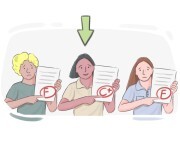
análisis

Ex: Her analysis of the literary work highlighted the underlying themes and symbols. 
relative
relative
[Adjetivo]

measured or judged in comparison to something else

relativo

relativo

Ex: The size of the dog seems small, but it's relative to its breed. 
based
based
[Adjetivo]

having a base

basado, fundado

basado, fundado

newcomer
newcomer
[Sustantivo]

a person or thing that has recently begun participating in an activity, group, field, or organization

recién llegado,  novato

recién llegado, novato

Ex: The company is a newcomer to the electric vehicle market. 
pitch
pitch
[Sustantivo]

the degree of highness or lowness of a tone that is determined by the frequency of waves producing it

tonía

tonía

Ex: The singer struggled to hit the high pitch during the challenging chorus. 
variable
variable
[Adjetivo]

subject to change or variation

variable

variable

Ex: His mood was variable throughout the day, ranging from excitement to frustration. 
tone
tone
[Sustantivo]

the character or quality of a person's voice

tono, entonación

tono, entonación

Ex: The teacher's tone conveyed authority. 
in line with
in line with
[Preposición]

used to convey that someone or something is conforming to a particular standard, guideline, or expectation

de acuerdo con,  en consonancia con

de acuerdo con, en consonancia con

Ex: The new policy is in line with industry regulations. 

La nueva política está en línea con las regulaciones de la industria.

to perceive

to understand or think about someone or something in a certain way

percibir, considerar

percibir, considerar

Ex: They are perceived as a strong and reliable team. 
to rate
to rate
[Verbo]

to judge and assign a score or rank to something according to a set scale

clasificar, evaluar

clasificar, evaluar

Ex: The teacher will rate the students' essays based on creativity and clarity. 
hypothesis
hypothesis
[Sustantivo]

a proposed explanation for a situation or set of facts that has not yet been proved

hipótesis

hipótesis

Ex: New evidence appears to support her original hypothesis. 
respite
respite
[Sustantivo]

a temporary easing or reduction of something unpleasant or difficult

respiro, tregua

respiro, tregua

Ex: The ceasefire provided a respite from the fighting. 

El alto el fuego proporcionó un respiro de la lucha.

tedious
tedious
[Adjetivo]

boring and repetitive, often causing frustration or weariness due to a lack of variety or interest

tedioso, aburrido

tedioso, aburrido

Ex: The tedious commute to work in heavy traffic was a daily ordeal for many city dwellers. 

El viaje tedioso al trabajo en medio del tráfico pesado era un suplicio diario para muchos habitantes de la ciudad.
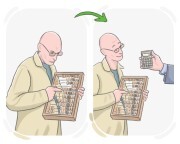
to facilitate

to make an action, process, or activity easier or more likely to happen

facilitar

facilitar

Ex: Better lighting can facilitate safer working conditions. 
replenishment
replenishment
[Sustantivo]

the process of refilling or restoring something to its original level or condition

reabastecimiento, reposición

reabastecimiento, reposición

Ex: The rainfall contributed to the replenishment of the dried-up lake. 

Las lluvias contribuyeron al reabastecimiento del lago seco.

to recruit
to recruit
[Verbo]

to persuade or arrange for someone to join a group, organization, or cause

reclutar,  captar

reclutar, captar

Ex: The organization recruited several experienced campaigners. 
ostensibly
ostensibly
[Adverbio]

in a way that is based on appearances or perception

aparentemente, ostensiblemente

aparentemente, ostensiblemente

Ex: The political leaders met ostensibly to discuss peace, yet tensions continued to escalate. 

Los líderes políticos se reunieron ostensiblemente para discutir la paz, pero las tensiones continuaron aumentando.

to elicit
to elicit
[Verbo]

to make someone react in a certain way or reveal information

provocar

provocar

Ex: The teacher used thought-provoking prompts to elicit insightful responses from the students. 

El profesor utilizó indicaciones estimulantes para provocar respuestas perspicaces de los estudiantes.

contentment
contentment
[Sustantivo]

happiness and satisfaction, particularly with one's life

satisfacción

satisfacción

Ex: True contentment doesn't depend on wealth, but on inner peace. 

La verdadera satisfacción no depende de la riqueza, sino de la paz interior.

factual
factual
[Adjetivo]

based on facts or reality, rather than opinions or emotions

factual, objetivo

factual, objetivo

Ex: The history book contained factual accounts of past events, supported by documented evidence. 

El libro de historia contenía relatos factuales de eventos pasados, respaldados por evidencia documentada.

persistence
persistence
[Sustantivo]

the ongoing existence or continuous effort of something over a period of time, especially despite difficulties

persistencia, tenacidad

persistencia, tenacidad

Ex: The persistence of the problem has made it harder to find a solution. 

La persistencia del problema ha hecho más difícil encontrar una solución.

profile
profile
[Sustantivo]

a short description of a person's life, work, character, or achievements

perfil,  semblanza

perfil, semblanza

Ex: The documentary includes profiles of several local artists. 
assessment
assessment
[Sustantivo]

the act of judging or evaluating someone or something carefully based on specific standards or principles

evaluación, valoración

evaluación, valoración

Ex: The doctor performed a medical assessment to evaluate the patient's overall health. 
in a row
in a row
[Adverbio]

following one after another without interruptions

seguidos,  consecutivamente

seguidos, consecutivamente

Ex: She worked late three nights in a row, which made her very tired. 

Trabajó hasta tarde tres noches seguidas, lo que la dejó muy cansada.
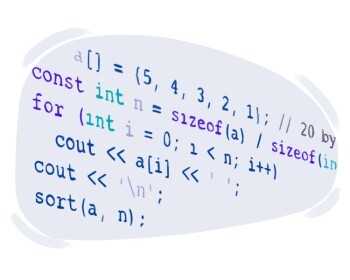
to program
to program
[Verbo]

to write a set of codes in order to make a computer or a machine perform a particular task

programar

programar

Ex: The engineer programmed the CNC machine to cut precise patterns into the material. 
consecutive
consecutive
[Adjetivo]

continuously happening one after another

consecutivo, seguido

consecutivo, seguido

Ex: This is the fifth consecutive day of heavy rainfall in the region. 

Este es el quinto día consecutivo de fuertes lluvias en la región.

to replicate

to conduct an experiment or test again, often under the same conditions, in order to verify or confirm the results

reproducir,  replicar

reproducir, replicar

Ex: They replicated the study in a different lab to see if the same outcomes occurred. 

Replicaron el estudio en un laboratorio diferente para ver si ocurrían los mismos resultados.
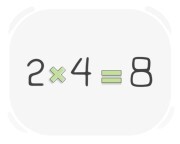
multiplication
multiplication
[Sustantivo]

the process or action of adding a number to itself a specific number of times

multiplicación

multiplicación

Ex: A quick way to check multiplication is to reverse it with division. 

Una forma rápida de verificar la multiplicación es revertirla con la división.

to relieve
to relieve
[Verbo]

to make pain, discomfort, anxiety, or another unpleasant feeling less severe

aliviar

aliviar

Ex: A cold compress can help relieve the swelling. 
energising
energising
[Adjetivo]

supplying motive force

energizante, revitalizante

energizante, revitalizante

to appeal
to appeal
[Verbo]

to attract or gain interest, approval, or admiration

atraer

atraer

Ex: The vacation destination appealed to travelers with its picturesque scenery and cultural attractions. 
spectrum
spectrum
[Sustantivo]

a broad range of related ideas, qualities, positions, or activities between two extremes

espectro, abanico

espectro, abanico

Ex: Students expressed a wide spectrum of opinions on the issue. 
discipline
discipline
[Sustantivo]

a field of study that is typically taught in a university

disciplina
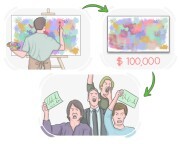
disciplina

Ex: She pursued a career in physics, a discipline that explores the fundamental laws of nature and the universe. 
to generate

to cause or give rise to something

generar

generar

Ex: Last year, the new initiative generated a substantial increase in revenue. 
deliberately
deliberately
[Adverbio]

in a way that is done consciously and intentionally

deliberadamente, a propósito

deliberadamente, a propósito

Ex: She deliberately left the door unlocked to let him in. 

Ella deliberadamente dejó la puerta abierta para dejarlo entrar.

frustrating
frustrating
[Adjetivo]

causing feelings of disappointment or annoyance by stopping someone from achieving their desires or goals

frustrante, exasperante

frustrante, exasperante

Ex: She found it frustrating when her internet connection dropped during important calls. 

Ella lo encontraba frustrante cuando su conexión a Internet se caía durante llamadas importantes.

established
established
[Adjetivo]

widely acknowledged as valid or customary

establecido, reconocido

establecido, reconocido

Ex: The established tradition of celebrating the holidays with family gatherings has been passed down through generations. 

La tradición establecida de celebrar las fiestas con reuniones familiares se ha transmitido de generación en generación.

notion
notion
[Sustantivo]

a general concept or belief

idea, concepto

idea, concepto

Ex: People have various notions about what makes a good leader. 
LanGeek
Descargar la aplicación LanGeek