pattern

آزمون ACT - ظرفیت‌های ذهنی و شکست‌ها

در اینجا شما برخی از کلمات انگلیسی مربوط به توانایی‌های ذهنی و شکست‌ها، مانند "دیوانه"، "غفلت"، "هوس" و غیره را یاد خواهید گرفت که به شما کمک می‌کند تا در آزمون‌های ACT خود موفق شوید.

مرور

فلش‌کارت‌ها

صورت‌ها

املای کلمه

آزمون

شروع یادگیری
Essential Vocabulary for ACT
acumen
acumen
[اسم]

sharp judgment and quick decision-making, especially in practical or professional matters

تیزهوشی, تیزفهمی، فراست

تیزهوشی, تیزفهمی، فراست

Ex: He showed strong political acumen during the campaign. 

او در طول کمپین بینش سیاسی قوی نشان داد.

بستن
ورود
attentiveness

the quality of being alert and paying close attention to things

توجه, هوشیاری

توجه, هوشیاری

Ex: The lifeguard's attentiveness prevented accidents at the pool. 

توجه نجات‌غریق از حوادث در استخر جلوگیری کرد.

بستن
ورود
vigilance
vigilance
[اسم]

the state or quality of being watchful and attentive, especially to detect potential danger or problems

هوشیاری, توجه

هوشیاری, توجه

Ex: Vigilance on the battlefield ensures soldiers remain aware of their surroundings. 

هشیاری در میدان نبرد تضمین می‌کند که سربازان از محیط اطراف خود آگاه باقی بمانند.

بستن
ورود
inference
inference
[اسم]

a conclusion one reaches from the existing evidence or known facts

استنباط, استنتاج

استنباط, استنتاج

Ex: The teacher encouraged students to practice making inferences while reading to enhance their comprehension skills. 

معلم دانش‌آموزان را تشویق کرد تا در حین خواندن، استنباط را تمرین کنند تا مهارت‌های درک مطلب خود را تقویت کنند.

بستن
ورود
cognition
cognition
[اسم]

the result of a mental processing or understanding

دانش, شناخت

دانش, شناخت

بستن
ورود
deduction
deduction
[اسم]

the process of using general rules or ideas to make a specific conclusion

استنتاج, استدلال

استنتاج, استدلال

Ex: Using deduction, she figured out the answer to the puzzle. 

با استفاده از استنتاج، او جواب معما را فهمید.

بستن
ورود
facility
facility
[اسم]

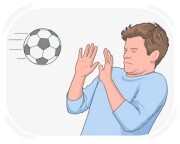
the quality of performing tasks or activities with ease and without difficulty

آسانی, مهارت
آسانی, مهارت

Ex: His facility in languages allowed him to quickly pick up new ones. 

سهولت او در زبان‌ها به او اجازه داد تا به سرعت زبان‌های جدید را یاد بگیرد.

بستن
ورود
instinct
instinct
[اسم]

a natural reaction or behavior that occurs automatically, without conscious thought or reasoning

غریزه

غریزه

Ex: When threatened, the rabbit relied on its instinct to flee and find cover in the bushes. 

وقتی تهدید شد، خرگوش به غریزه خود تکیه کرد تا فرار کند و در بوته‌ها پنهان شود.

بستن
ورود
intuition
intuition
[اسم]

the ability to understand or know something immediately, without conscious reasoning or evidence

حس درونی, شهود

حس درونی, شهود

Ex: Experienced doctors often rely on intuition in emergency situations. 

پزشکان باتجربه اغلب در موقعیت‌های اضطراری به شهود تکیه می‌کنند.

بستن
ورود
genius
genius
[اسم]

an exceptional mental ability or talent that is unique and outstanding

توانایی ذهنی

توانایی ذهنی

Ex: Mozart's musical genius created timeless music. 

نبوغ موسیقایی موتسارت موسیقی بی‌زمان خلق کرد.

بستن
ورود
subconscious
subconscious
[اسم]

the part of the mind that is not currently in focused awareness, but still influences thoughts, feelings, and behavior, often through automatic or involuntary processes

ناخودآگاه

ناخودآگاه

Ex: Fears buried in the subconscious can affect daily behavior. 

ترس‌های دفن شده در ناخودآگاه می‌توانند بر رفتار روزمره تأثیر بگذارند.

بستن
ورود
aspiration
aspiration
[اسم]

a strong drive or determination to succeed or achieve excellence

آرزو, جاه طلبی

آرزو, جاه طلبی

Ex: The young entrepreneur's aspiration led to a thriving business. 

آرزوی کارآفرین جوان منجر به یک کسب‌وکار پررونق شد.

بستن
ورود
ambition
ambition
[اسم]

the will to obtain wealth, power, success, etc.

بلندپروازی, جاه‌طلبی

بلندپروازی, جاه‌طلبی

Ex: The seasoned athlete's unwavering ambition kept her pushing for one more Olympic medal. 

جاه‌طلبی استوار ورزشکار باتجربه او را برای کسب یک مدال المپیک دیگر به پیش راند.

بستن
ورود
whim
whim
[اسم]

a sudden and impulsive decision or desire that someone has without much thought or reason behind it

هوس

هوس

Ex: When her plans for the evening fell through, she acted on a whim and went out to see a movie by herself instead. 

وقتی برنامه‌هایش برای شب از دست رفت، بر اساس هوس عمل کرد و به جای آن تنها به تماشای فیلم رفت.

بستن
ورود
competence
competence
[اسم]

the ability to perform tasks effectively and efficiently, demonstrating both physical and intellectual readiness

شایستگی, لیاقت، صلاحیت، سررشته، کفایت، خبرگی

شایستگی, لیاقت، صلاحیت، سررشته، کفایت، خبرگی

Ex: The surgeon's competence in delicate surgeries saved many lives over her career. 

شایستگی جراح در جراحی‌های ظریف در طول دوران حرفه‌ای‌اش جان بسیاری را نجات داد.

بستن
ورود
acuteness
acuteness
[اسم]

a sharp intelligence, able to understand things deeply and quickly

تیزی, هوشیاری

تیزی, هوشیاری

Ex: The detective's acuteness in observing details solved the case. 

تیزبینی کارآگاه در مشاهده جزئیات پرونده را حل کرد.

بستن
ورود
initiative
initiative
[اسم]

the willingness to take action and start new things without being prompted or directed

ذوق و طبع (برای شروع چیزی)

ذوق و طبع (برای شروع چیزی)

Ex: The company values employees who show initiative and leadership. 

شرکت به کارمندانی که ابتکار و رهبری نشان می‌دهند ارزش می‌دهد.

بستن
ورود
precaution
precaution
[اسم]

the tendency or habit of exercising caution and foresight to prevent problems

احتیاط, دوراندیشی

احتیاط, دوراندیشی

Ex: He approached the negotiations with great precaution. 

او با احتیاط فراوان به مذاکرات نزدیک شد.

بستن
ورود
psyche
psyche
[اسم]

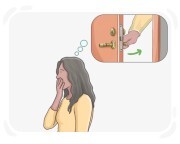
the immaterial or nonphysical aspect of a person

روان

روان

Ex: Yoga aims to harmonize body, mind, and psyche. 

یوگا به دنبال هماهنگی بدن، ذهن و روان است.
بستن
ورود
to recall
to recall
[فعل]

to bring back something from the memory

به‌ یاد آوردن, به‌ خاطر آوردن

به‌ یاد آوردن, به‌ خاطر آوردن

Ex: The professor encouraged students to recall key concepts during the exam. 

استاد دانشجویان را تشویق کرد تا در طول امتحان مفاهیم کلیدی را به خاطر بیاورند.

بستن
ورود
to recollect
to recollect
[فعل]

to bring to mind past memories or experiences

به خاطر آوردن, به یاد آوردن

به خاطر آوردن, به یاد آوردن

Ex: Seeing the old yearbook made her recollect the antics of her high school friends. 

دیدن سالنامه قدیمی باعث شد او به یاد شیطنت های دوستان دبیرستانی اش بیفتد.
بستن
ورود
to improvise
to improvise
[فعل]

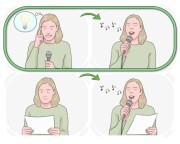
to create and perform words of a play, music, etc. on impulse and without preparation, particularly because one is forced to do so

بداهه‌گویی کردن, بداهه‌نوازی کردن، فی‌البداهه گفتن، فی‌البداهه نواختن

بداهه‌گویی کردن, بداهه‌نوازی کردن، فی‌البداهه گفتن، فی‌البداهه نواختن

Ex: Musicians often improvise solos during live performances for added spontaneity. 

موسیقیدانان اغلب در اجراهای زنده برای افزودن خودانگیختگی بداهه‌پردازی می‌کنند.

بستن
ورود
to beware
to beware
[فعل]

to warn someone to be cautious of a dangerous person or thing

مواظب بودن, مراقب بودن

مواظب بودن, مراقب بودن

Ex: Travelers are warned to beware of pickpockets in crowded tourist areas. 

به مسافران هشدار داده می‌شود که در مناطق شلوغ توریستی از جیب‌برها مراقب باشند.

بستن
ورود
to distract
to distract
[فعل]

to cause someone to lose their focus or attention from something they were doing or thinking about

حواس کسی را پرت کردن

حواس کسی را پرت کردن

Ex: The noisy construction outside the window tended to distract her from studying for exams. 

ساخت و ساز پر سر و صدا بیرون پنجره تمایل داشت او را از مطالعه برای امتحانات منحرف کند.

بستن
ورود
to familiarize

to make someone acquainted with something

آشنا کردن

آشنا کردن

Ex: New employees attend an orientation to familiarize themselves with company policies. 

کارمندان جدید در یک جلسه توجیهی شرکت می‌کنند تا با سیاست‌های شرکت آشنا شوند.

بستن
ورود
to foretell
to foretell
[فعل]

to predict or say in advance what will happen in the future

پیش‌گویی کردن

پیش‌گویی کردن

Ex: Some believe that certain dreams can foretell upcoming events. 

برخی معتقدند که برخی رویاها می‌توانند رویدادهای آینده را پیش‌بینی کنند.

بستن
ورود
to foresee
to foresee
[فعل]

to know or predict something before it happens

از قبل دانستن

از قبل دانستن

Ex: After studying the market trends, he could foresee a drop in sales. 

پس از مطالعه روندهای بازار، او توانست کاهش فروش را پیش‌بینی کند.

بستن
ورود
to heed
to heed
[فعل]

to be attentive to advice or a warning

اعتنا کردن, توجه کردن

اعتنا کردن, توجه کردن

Ex: She failed to heed the warning signs and ended up getting lost in the forest. 

او به نشانه‌های هشدار توجه نکرد و در نهایت در جنگل گم شد.

بستن
ورود
impressionable

easily influenced or affected by others or external factors, especially due to a lack of experience or critical judgment

تأثیرپذیر, اثر پذیر

تأثیرپذیر, اثر پذیر

Ex: She realized how impressionable her younger siblings were and tried to set a good example. 

او متوجه شد که خواهر و برادرهای کوچکترش چقدر تأثیرپذیر هستند و سعی کرد الگوی خوبی باشد.

بستن
ورود
impervious
impervious
[صفت]

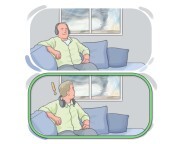
resistant to being affected or damaged by something

مقاوم, تاثیرناپذیر

مقاوم, تاثیرناپذیر

Ex: The new coating made the wall impervious to moisture. 

پوشش جدید دیوار را در برابر رطوبت نفوذناپذیر کرد.
بستن
ورود
cognizant
cognizant
[صفت]

having knowledge or awareness about something

آگاه, باخبر

آگاه, باخبر

Ex: He remained cognizant of the risks involved in the adventure. 

او از خطرات موجود در ماجراجویی آگاه باقی ماند.

بستن
ورود
astute
astute
[صفت]

having a clever and practical ability to make wise and effective decisions

زیرک, هوشیار

زیرک, هوشیار

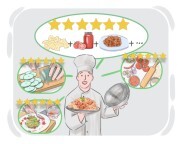
Ex: The detective's astute observations led to the quick solving of the complex case. 

مشاهدات هوشمندانه کارآگاه به حل سریع پرونده پیچیده منجر شد.
بستن
ورود
savvy
savvy
[صفت]

possessing practical knowledge, expertise, or understanding in a particular domain

کارکشته

کارکشته

Ex: His savvy negotiation skills helped him secure a lucrative deal for his company. 

مهارت‌های مذاکره‌ای حرفه‌ای او به او کمک کرد تا معامله‌ای سودآور برای شرکتش تضمین کند.

بستن
ورود
sagacious
sagacious
[صفت]

having keen, farsighted judgment and the ability to discern deeply and wisely

زیرک, باهوش، بافراست

زیرک, باهوش، بافراست

Ex: The sagacious judge quickly saw through the false testimony. 

قاضی زیرک به سرعت از میان شهادت دروغین گذشت.

بستن
ورود
shrewd
shrewd
[صفت]

having or showing good judgement, especially in business or politics

زیرک, زرنگ

زیرک, زرنگ

Ex: His shrewd political maneuvering allowed him to gain support from key stakeholders and secure his position. 

مانور سیاسی هوشمندانه او به او اجازه داد تا از طرفداران کلیدی حمایت کند و موقعیت خود را تضمین کند.

بستن
ورود
sentient
sentient
[صفت]

possessing the ability to experience, feel, or perceive things through the senses

هشیار

هشیار

Ex: Animals are sentient beings capable of experiencing pain and pleasure. 

حیوانات موجودات حساسی هستند که قادر به تجربه درد و لذت هستند.

بستن
ورود
conscious
conscious
[صفت]

aware of and responsive to one's surroundings

هوشیار

هوشیار

Ex: The patient remained conscious throughout the operation. 

بیمار در طول عمل هوشیار باقی ماند.

بستن
ورود
perceptive
perceptive
[صفت]

(of a person) able to quickly and accurately understand or notice things due to keen awareness and insight

باهوش و زیرک, باه

باهوش و زیرک, باه

Ex: His perceptive observations helped solve the mystery. 

مشاهدات تیزبینانه او به حل معما کمک کرد.

بستن
ورود
imaginative
imaginative
[صفت]

displaying or having creativity or originality

خیال‌انگیز, مبتکرانه، خلاق

خیال‌انگیز, مبتکرانه، خلاق

Ex: Her imaginative storytelling captivated the audience, transporting them to fantastical worlds. 

داستان‌سرایی تخیلی او مخاطبان را مجذوب خود کرد و آن‌ها را به دنیاهای خیالی برد.

بستن
ورود
imprudence
imprudence
[اسم]

the quality of making decisions or taking actions without considering potential risks or consequences

بی احتیاطی

بی احتیاطی

Ex: The manager's imprudence in ignoring safety protocols resulted in workplace accidents. 

بی‌احتیاطی مدیر در نادیده گرفتن پروتکل‌های ایمنی منجر به حوادث کاری شد.

بستن
ورود
folly
folly
[اسم]

the quality of behaving in a foolish or reckless manner, often without considering the consequences

حماقت, بی احتیاطی

حماقت, بی احتیاطی

Ex: Her decision to quit her job without another lined up was considered folly by many. 

تصمیم او برای ترک شغل بدون داشتن شغل دیگری از سوی بسیاری حماقت تلقی شد.

بستن
ورود
trance
trance
[اسم]

a mental state characterized by a fragile consciousness and reduced ability for voluntary action, often resembling a deep sleep

خلسه, حالت خلسه

خلسه, حالت خلسه

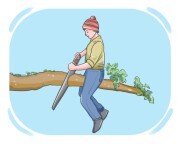
Ex: The monk achieved a trance through meditation, disconnecting from worldly distractions. 

راهب از طریق مراقبه به خلسه دست یافت، و از حواس پرتی های دنیوی جدا شد.
بستن
ورود
ignorance
ignorance
[اسم]

the fact or state of not having the necessary information, knowledge, or understanding of something

جهل, ناآگاهی، غفلت، نادانی

جهل, ناآگاهی، غفلت، نادانی

Ex: The teacher worked hard to address the students' ignorance of the topic, providing extra lessons to improve their understanding. 

معلم سخت کار کرد تا نادانی دانش‌آموزان را در مورد موضوع برطرف کند، و با ارائه درس‌های اضافی درک آن‌ها را بهبود بخشد.

بستن
ورود
delusion
delusion
[اسم]

(psychology) a mental condition in which a person has a false belief system that is contradicted by evidence

نادرست‌انگاری (روان‌شناسی), کژانگاری، هذیان

نادرست‌انگاری (روان‌شناسی), کژانگاری، هذیان

بستن
ورود
delirium
delirium
[اسم]

a state of extreme mental confusion, often accompanied by confused or unclear thoughts or speech

حمله عصبی, هیجان‌زدگی، هیجان و تشنج

حمله عصبی, هیجان‌زدگی، هیجان و تشنج

بستن
ورود
insanity
insanity
[اسم]

a state of severe mental disorder affecting a person's ability to understand reality, think rationally, or behave in a socially acceptable manner

جنون

جنون

Ex: Historically, schizophrenia was wrongly labeled as insanity. 

از نظر تاریخی، اسکیزوفرنی به اشتباه به عنوان دیوانگی برچسب زده شده است.

بستن
ورود
incapacity
incapacity
[اسم]

the lack of intellectual or mental power to do something

ناتوانی (ذهنی)

ناتوانی (ذهنی)

Ex: The patient's cognitive decline resulted in an incapacity to manage their financial affairs and make sound financial decisions. 

افول شناختی بیمار منجر به ناتوانی در مدیریت امور مالی و تصمیم‌گیری‌های مالی صحیح شد.

بستن
ورود
hallucination

a perceptual experience in which an individual perceives something that is not present in the external environment

توهم, خیال

توهم, خیال

Ex: Visual hallucinations can manifest as seeing objects, people, or scenes that are not actually present. 

توهمات دیداری می‌تواند به صورت دیدن اشیاء، افراد یا صحنه‌هایی که در واقع وجود ندارند، ظاهر شود.

بستن
ورود
fallacy
fallacy
[اسم]

a false idea or belief based on invalid arguments, often one that many people think is true

باور نادرست, استدلال غلط، سفسطه

باور نادرست, استدلال غلط، سفسطه

Ex: The belief that all members of a particular ethnic group are universally untrustworthy is a fallacy built on stereotypes and can lead to discrimination and prejudice. 

این باور که همه اعضای یک گروه قومی خاص به طور جهانی غیرقابل اعتماد هستند، یک مغالطه است که بر اساس کلیشه‌ها ساخته شده و می‌تواند به تبعیض و پیش‌داوری منجر شود.

بستن
ورود
misconception

a mistaken or inaccurate belief or understanding about something

سوء تفاهم, باور نادرست

سوء تفاهم, باور نادرست

Ex: It's a misconception that eating late at night always leads to weight gain. 

این یک سوءتفاهم است که خوردن دیروقت شب همیشه منجر به افزایش وزن می‌شود.

بستن
ورود
to neglect
to neglect
[فعل]

to pay little or no attention to something or someone, often leading to issues or problems

غفلت کردن, بی توجهی کردن

غفلت کردن, بی توجهی کردن

Ex: Neglecting cybersecurity measures in today's digital age can expose your personal information to potential threats. 

غفلت از اقدامات امنیت سایبری در عصر دیجیتال امروز می‌تواند اطلاعات شخصی شما را در معرض تهدیدات بالقوه قرار دهد.

بستن
ورود
to disregard
to disregard
[فعل]

to intentionally ignore or act without concern for something or someone that deserves consideration

نادیده گرفتن

نادیده گرفتن

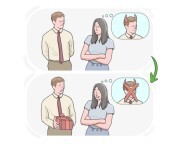
Ex: He disregarded his doctor's advice to improve his diet and exercise more. 

او توصیه پزشک خود را برای بهبود رژیم غذایی و ورزش بیشتر نادیده گرفت.
بستن
ورود
to misinterpret

to understand or explain something incorrectly

بد تعبیر کردن

بد تعبیر کردن

Ex: They misinterpreted the data, drawing conclusions that were not supported by the facts. 

آنها داده‌ها را اشتباه تفسیر کردند، به نتیجه‌گیری‌هایی رسیدند که توسط حقایق پشتیبانی نمی‌شد.

بستن
ورود
to overlook
to overlook
[فعل]

to not notice or see something

ندیدن, نادیده گرفتن

ندیدن, نادیده گرفتن

Ex: It's easy to overlook minor issues when focusing on larger tasks. 

وقتی روی کارهای بزرگتر تمرکز می‌کنید، نادیده گرفتن مسائل جزئی آسان است.

بستن
ورود
oblivious
oblivious
[صفت]

lacking conscious awareness of something

بی‌خبر (از), بی‌اعتنا (به)

بی‌خبر (از), بی‌اعتنا (به)

Ex: He was completely oblivious of the danger ahead, walking through the dark forest without a care. 

او کاملاً بی‌خبر از خطر پیش رو بود، بدون هیچ نگرانی در جنگل تاریک قدم می‌زد.

بستن
ورود
deranged
deranged
[صفت]

incapable of behaving normally or thinking clearly due to mental illness

پریشان‌خاطر, روانی

پریشان‌خاطر, روانی

Ex: The criminal had a deranged mind that led to his actions. 

مجرم ذهنی آشفته داشت که به اعمالش منجر شد.

بستن
ورود
insensible
insensible
[صفت]

not noticing or caring about something

بی‌احساس, بی‌تفاوت

بی‌احساس, بی‌تفاوت

Ex: She appeared insensible to the pain, continuing to work despite her injury. 

او به نظر بی‌احساس به درد می‌رسید، با وجود آسیبش به کار ادامه می‌داد.

بستن
ورود
naive
naive
[صفت]

lacking experience, wisdom, or understanding about the world, often resulting in being overly trusting or easily deceived

بی‌تجربه

بی‌تجربه

Ex: Taking a naive stance on cybersecurity left the company vulnerable to hacking. 

اتخاذ موضع ساده‌لوحانه در امنیت سایبری شرکت را در برابر هک آسیب‌پذیر کرد.

بستن
ورود
LanGeek
دانلود اپلیکشن LanGeek