
Competență în Lectură pentru Examenul ACT - Capacități și eșecuri mentale
Învățați vocabularul ACT pentru inteligență, memorie, judecată, raționament, confuzie, greșeli, limitări și eșecuri în performanța mentală.
Revizuire
Fișe de studiu
forme
Ortografie
Chestionar


sharp judgment and quick decision-making, especially in practical or professional matters

perspicacitate, acuitate
Perspicacitatea ei comercială a ajutat compania să crească rapid.
the quality of being alert and paying close attention to things
atenție, vigilență
Atenția ei în clasă i-a adus note mari la examene.
the state or quality of being watchful and attentive, especially to detect potential danger or problems
vigilență, atenție
Vigilența paznicului a împiedicat accesul neautorizat în clădire.

a conclusion one reaches from the existing evidence or known facts
inferență, deducție
Descoperirea inovatoare a omului de știință a fost rezultatul observațiilor atente și al inferențelor logice.
the process of using general rules or ideas to make a specific conclusion
deducție, raționament deductiv
Detectivul a folosit deducția logică pentru a identifica vinovatul din indiciile disponibile.
the quality of performing tasks or activities with ease and without difficulty
ușurință, îndemânare
Ea cânta la pian cu o astfel de ușurință încât părea fără efort.
a natural reaction or behavior that occurs automatically, without conscious thought or reasoning
instinct, impuls
Pasărea mamă și-a urmat instinctul pentru a-și construi cuibul și a-și proteja ouăle.
the ability to understand or know something immediately, without conscious reasoning or evidence
intuiție, prezentiment
Ea avea o intuiție că planul va reuși.
an exceptional mental ability or talent that is unique and outstanding
geniu, talent excepțional
Geniul lui Einstein a schimbat modul în care înțelegem fizica.
the part of the mind that is not currently in focused awareness, but still influences thoughts, feelings, and behavior, often through automatic or involuntary processes
subconștient, inconștient
Subconștientul lui continua să aducă aminte pe care le uitase.
a strong drive or determination to succeed or achieve excellence
aspirație, ambiție
Aspirația ei a împins-o să termine maratonul.

the will to obtain wealth, power, success, etc.
ambiție, dorința de succes
Alimentată de o ambiție fără limite, tânăra antreprenoare și-a lansat startup-ul tehnologic în ciuda pieței aglomerate.
a sudden and impulsive decision or desire that someone has without much thought or reason behind it
capriciu, impuls
Când planurile ei pentru seară au căzut la apă, a acționat dintr-o chef și a ieșit în schimb să vadă un film singură.
the ability to perform tasks effectively and efficiently, demonstrating both physical and intellectual readiness
competenta, abilitate
Competența sa în gestionarea problemelor financiare a asigurat stabilitatea companiei în timpul declinurilor economice.
a sharp intelligence, able to understand things deeply and quickly
acuitate, perspicacitate
Acuitatea lui în matematică l-a ajutat să rezolve rapid problemele.
the willingness to take action and start new things without being prompted or directed
inițiativă, spirit de inițiativă
Inițiativa ei în organizarea evenimentului a impresionat pe toată lumea.
the tendency or habit of exercising caution and foresight to prevent problems
precauție, previziune
Precauția ei a salvat echipa de potențiale greșeli.
the immaterial or nonphysical aspect of a person
sufletul, psihicul
Multe culturi cred că psihicul supraviețuiește după moarte.
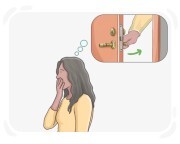
to bring back something from the memory
a-și aminti, a reaminti
Ea putea aminti detaliile conversației cu o claritate remarcabilă.
to bring to mind past memories or experiences
a-și aminti, a reaminti
Memoriile autorului i-au ajutat pe cititori să își amintească evenimentele istorice ale acelei epoci.
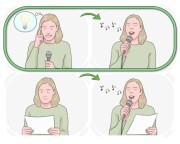
to create and perform words of a play, music, etc. on impulse and without preparation, particularly because one is forced to do so
a improviza, a inventa pe loc
Când actorul și-a uitat replicile, a trebuit să improvizeze pentru a menține scena.
to warn someone to be cautious of a dangerous person or thing
a fi atent, a se păzi
Aveți grijă de condițiile ghețuite de pe drumuri; conduceți cu prudență.
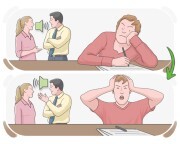
to cause someone to lose their focus or attention from something they were doing or thinking about
distrage, devia atenția
În timpul întâlnirii importante, bătaia constantă a unui stilou a început să distragă pe toți din cameră.
to make someone acquainted with something
familiariza, obisnui
Ghidul i-a familiarizat pe turiști cu istoria monumentului antic.

to predict or say in advance what will happen in the future
prevesti, prezice
Ea a spus că bunica ei avea abilitatea de a prezice când cineva era pe cale să viziteze.
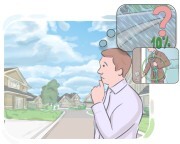
to know or predict something before it happens
prevedea, anticipa
În ciuda tuturor planurilor lor, nu au prevăzut pană de curent în timpul evenimentului.
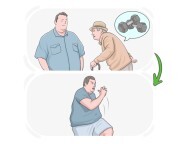
to be attentive to advice or a warning
a fi atent la, a asculta
Este important să ții cont de sfaturile drumeților experimentați atunci când faci drumeții în teren necunoscut.
easily influenced or affected by others or external factors, especially due to a lack of experience or critical judgment
impresionabil, influențabil
Copiii mici sunt adesea impresionabili, absorbând idei și comportamente din mediul lor.
resistant to being affected or damaged by something
impermeabil, insensibil
Pielea lui groasă părea impenetrabilă la critică.
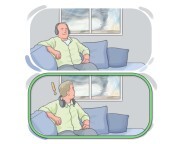
having knowledge or awareness about something
conștient, informat
Era conștientă de importanța punctualității în profesia sa.

having a clever and practical ability to make wise and effective decisions
istet, perspicace
Având o înțelegere agera a afacerilor, a luat decizii de investiții înțelepte.
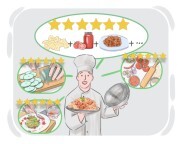
possessing practical knowledge, expertise, or understanding in a particular domain
experimentat, competent
Ea este o investitoare pricepută, știind întotdeauna când să cumpere și să vândă acțiuni pentru profit maxim.
having keen, farsighted judgment and the ability to discern deeply and wisely
înțelept, săbiu
Liderul înțelept a identificat rapid rădăcina problemei și a implementat soluții eficiente.

having or showing good judgement, especially in business or politics
șiret, perspicace
Omul de afaceri istet știa când să investească și când să se abțină, asigurând o creștere constantă a companiei sale.
possessing the ability to experience, feel, or perceive things through the senses
simțitor, conștient
Robotul a fost proiectat să imite comportamentul uman dar nu era cu adevărat simțitor.
aware of and responsive to one's surroundings
conștient, lucid
După cădere, era complet conștientă și putea să vorbească.
(of a person) able to quickly and accurately understand or notice things due to keen awareness and insight
perspicace, perceptiv
Ea este foarte perspicace și observă detalii pe care alții le trec cu vederea.

displaying or having creativity or originality
imaginativ, creativ
Jocul imaginativ al copiilor a transformat sufrageria într-un regat magic.
the quality of making decisions or taking actions without considering potential risks or consequences
imprudență
Neprudența lui în a cheltui banii a dus rapid la probleme financiare.
the quality of behaving in a foolish or reckless manner, often without considering the consequences
nebunie, imprudență
A fost o nebunie să-și investească toate economiile într-o afacere riscantă.
a mental state characterized by a fragile consciousness and reduced ability for voluntary action, often resembling a deep sleep
transă, stare de transă
După ore de concentrare intensă, a căzut într-o stare de tranz, o concentrare profundă asemănătoare somnului.
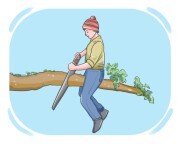
the fact or state of not having the necessary information, knowledge, or understanding of something
ignoranță
Ignoranța lui cu privire la subiect era evidentă când a dat răspunsuri incorecte în timpul discuției.
(psychology) a mental condition in which a person has a false belief system that is contradicted by evidence
delir, iluzie
a state of extreme mental confusion, often accompanied by confused or unclear thoughts or speech
delir, stare de confuzie mentală extremă
a state of severe mental disorder affecting a person's ability to understand reality, think rationally, or behave in a socially acceptable manner
nebunie, tulburare mentală
Apărarea legală a nebuniei este pentru cei care nu sunt apti pentru proces din cauza problemelor mentale.
the lack of intellectual or mental power to do something
incapacitate, inaptitudine
Declinul cognitiv al pacientului a dus la incapacitatea de a-și gestiona afacerile financiare și de a lua decizii financiare solide.
a perceptual experience in which an individual perceives something that is not present in the external environment
halucinație, iluzie
Halucinațiile auditive pot implica auzirea de voci sau sunete pe care alții nu le pot percepe.
a false idea or belief based on invalid arguments, often one that many people think is true
eroare logică, înșelăciune
Înrădăcinată într-o eroare, credința că purtarea unui amulet norocos garantează succesul ignoră rolul abilității, pregătirii și oportunității în obținerea rezultatelor dorite.
a mistaken or inaccurate belief or understanding about something
concepție greșită, înțelegere eronată
Există o concepție greșită comună că toate șerpii sunt veninoși.

to pay little or no attention to something or someone, often leading to issues or problems
neglija, ignora
Compania s-a confruntat cu provocări din cauza neglijării feedback-ului și preocupărilor clienților.
to intentionally ignore or act without concern for something or someone that deserves consideration
ignora, neglija
Șeful a ignorat protocoalele de siguranță și a pus muncitorii în pericol.
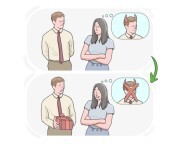
to understand or explain something incorrectly
interpreta greșit, înțelege greșit
Ea a interpretat greșit cuvintele lui și a crezut că este supărat când nu era.
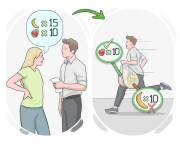
to not notice or see something
trece cu vederea, ignora
În grabă, ar putea trece cu vederea detaliile importante din document.
lacking conscious awareness of something
inconştient, ignorant
În ciuda zgomotului puternic, bebelușul a rămas nepăsător, dormind liniștit în pătuțul său.
incapable of behaving normally or thinking clearly due to mental illness
nebun, alienat
Comportamentul său deranjat a alarmat pe toți cei de la petrecere.
not noticing or caring about something
insensibil, indiferent
În ciuda zgomotului, a rămas insensibil la agitația din exterior.
lacking experience, wisdom, or understanding about the world, often resulting in being overly trusting or easily deceived
naiv, lipsit de experiență
Abordarea naivă a dezvoltării software-ului a dus la bug-uri semnificative în program.
