pattern

Verbes d'Action Manuelle - Verbes pour la Manipulation de Conteneurs

Ici, vous apprendrez quelques verbes anglais se référant à la manipulation de contenants tels que "vider", "remplir à ras bord", et "verrouiller".

Réviser

Flashcards

formes

Orthographe

Quiz
Commencer à apprendre
Categorized English Verbs of Manual Action
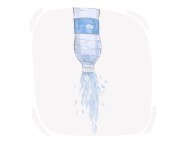
to drain
to drain
[verbe]

to empty or remove liquid from a container or area

égoutter, vider

égoutter, vider

Ex: The bartender skillfully drained the excess liquid from the cocktail shaker. 

Le barman a habilement vidé l'excès de liquide du shaker à cocktail.

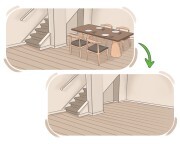
to empty
to empty
[verbe]

to remove the contents of a container or space

vider, décharger
vider, décharger

Ex: The construction workers needed to empty the wheelbarrow. 

Les ouvriers du bâtiment devaient vider la brouette.

to void
to void
[verbe]

to clear a space or container of either people or its contents

vider, évacuer

vider, évacuer

Ex: Getting ready for the move, they had to void the old apartment of furniture. 

Se préparant pour le déménagement, ils ont dû vider l'ancien appartement de ses meubles.
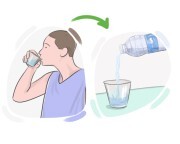
to fill
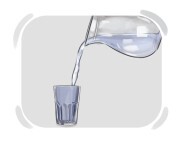
to fill
[verbe]

to make something full

remplir

remplir

Ex: I will fill the vase with fresh flowers from the garden. 

Je vais remplir le vase avec des fleurs fraîches du jardin.

to replenish

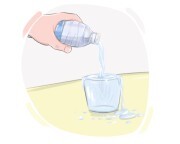
to fill a place or container with something, especially after it has been used or emptied

remplir de nouveau, réapprovisionner, renflouer

remplir de nouveau, réapprovisionner, renflouer

Ex: In preparation for the journey, she needed to replenish the backpack with supplies. 

En préparation pour le voyage, elle avait besoin de reconstituer le sac à dos avec des fournitures.
to cram
to cram
[verbe]

to forcefully or tightly pack a space with a large amount of something

entasser, bourrer

entasser, bourrer

Ex: Trying to organize the closet, she had to cram the shoes onto the shelf. 

En essayant d'organiser le placard, elle a dû entasser les chaussures sur l'étagère.
to top up
to top up
[verbe]

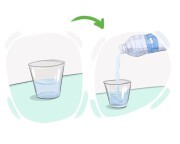
to add more liquid to someone's glass or cup

compléter, remplir

compléter, remplir

Ex: The bartender offered to top up our glasses with more wine. 

Le barman a proposé de remplir nos verres avec plus de vin.

to brim
to brim
[verbe]

to fill something, such as a container or space, to the very top or edge

remplir, border

remplir, border

Ex: The chef is brimming the pot with simmering soup. 

Le chef remplit le pot à ras bord avec une soupe mijotée.
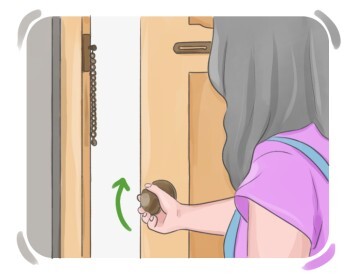
to open
to open
[verbe]

to move something like a window or door into a position that people, things, etc. can pass through or use

ouvrir
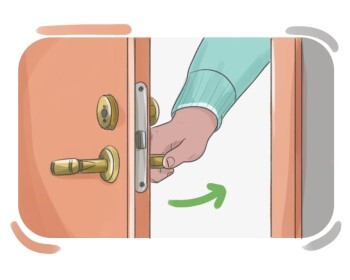
ouvrir

Ex: My sister and I opened the door to see what was inside the room. 

Ma sœur et moi avons ouvert la porte pour voir ce qu'il y avait dans la pièce.

to close
to close
[verbe]

to move something like a window or door into a position that people or things cannot pass through

fermer
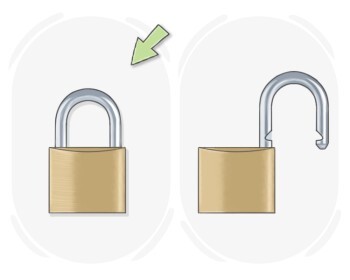
fermer

Ex: He closed the gate to prevent the dog from running away. 

Il a fermé la porte pour empêcher le chien de s'enfuir.

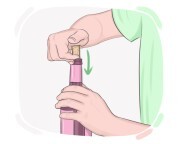
to lock
to lock
[verbe]

to secure something with a lock or seal

fermer à clé, verrouiller
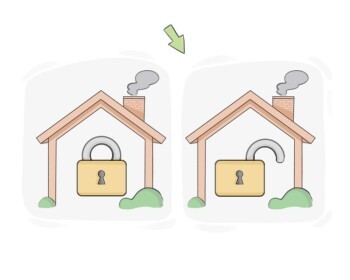
fermer à clé, verrouiller

Ex: The cyclist always makes sure to lock the bike to the rack before leaving. 

Le cycliste s'assure toujours de verrouiller le vélo au support avant de partir.

to unlock
to unlock
[verbe]

to use a key, code, or other method to open a lock or seal, allowing access to something that was secured

déverrouiller, ouvrir

déverrouiller, ouvrir

Ex: To access the secured area, he had to unlock the gate with a passcode. 

Pour accéder à la zone sécurisée, il a dû déverrouiller la porte avec un code.
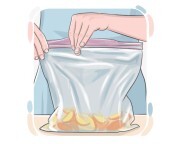
to seal
to seal
[verbe]

to close or secure something tightly to prevent access

sceller, fermer hermétiquement

sceller, fermer hermétiquement

Ex: The glass jar was sealed with a metal screw-on cap to maintain the quality and longevity of its contents. 

Le bocal en verre était scellé avec un bouchon à vis en métal pour maintenir la qualité et la longévité de son contenu.

to shut
to shut
[verbe]

to close something

fermer

fermer

Ex: The chef had to shut the oven door tightly to bake the perfect cake. 

Le chef a dû fermer hermétiquement la porte du four pour cuire le gâteau parfait.

to block
to block
[verbe]

to stop the flow or movement of something through somewhere

bloquer

bloquer

Ex: The ice block blocked the stream, creating a temporary dam. 

Le bloc de glace a bloqué le ruisseau, créant un barrage temporaire.

to clog
to clog
[verbe]

to make it so that nothing can move through something

boucher, obstruer

boucher, obstruer

Ex: The excess hair tends to clog the shower drain over time. 

L'excès de cheveux a tendance à boucher le drain de la douche avec le temps.

to plug
to plug
[verbe]

to tightly fill or block a hole with something

boucher

boucher

Ex: They are currently plugging the cracks in the sidewalk for safety. 

Ils sont en train de boucher les fissures dans le trottoir pour des raisons de sécurité.

to obstruct

to prevent something or someone from moving forward or progressing smoothly

obstruer

obstruer

Ex: The construction materials on the sidewalk obstructed pedestrian movement. 

Les matériaux de construction sur le trottoir obstruaient le mouvement des piétons.
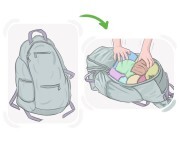
to stuff
to stuff
[verbe]

to fill a space or container tightly and completely with a material

remplir, bourrer
remplir, bourrer

Ex: In a rush, they had to stuff the duffel bag with essentials for the weekend trip. 

Pressés, ils ont dû remplir le sac de sport avec l'essentiel pour le voyage de week-end.

to bag
to bag
[verbe]

to put something into a bag for carrying or storage

emballer, mettre en sac
emballer, mettre en sac

Ex: The baker had to bag the freshly baked bread for customers. 

Le boulanger a dû emballer le pain fraîchement cuit pour les clients.

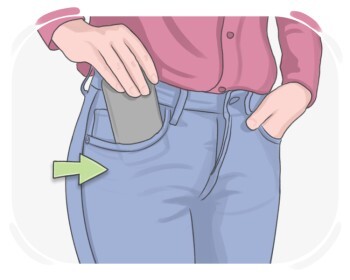
to pocket
to pocket
[verbe]

to put something, typically small or portable, into one's pocket

mettre dans sa poche, empocher
mettre dans sa poche, empocher

Ex: To stay organized, he always pocketed his earphones when not in use. 

Pour rester organisé, il rangeait toujours ses écouteurs lorsqu'ils n'étaient pas utilisés.

to pack
to pack
[verbe]

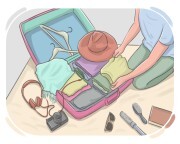
to put clothes and other things needed for travel into a bag, suitcase, etc.

faire ses valises, faire ses bagages

faire ses valises, faire ses bagages

Ex: Yesterday, she packed her suitcase for the business trip. 

Hier, elle a fait ses valises pour le voyage d'affaires.

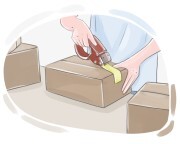
to box
to box
[verbe]

to put something into a box, typically for storage, transportation, or organization

emballer, mettre en boîte

emballer, mettre en boîte

Ex: In preparation for the move, they needed to box their books for safe transport. 

En préparation du déménagement, ils devaient emballer leurs livres pour un transport en toute sécurité.

to package
to package
[verbe]

to pack something in order to sell or transport it

empaqueter, emballer

empaqueter, emballer

Ex: To ensure safety, he always packaged delicate items with bubble wrap. 

Pour assurer la sécurité, il emballait toujours les articles délicats avec du papier bulle.

to pack up
to pack up
[verbe]

to put things into containers or bags in order to transport or store them

emballer, faire ses valises

emballer, faire ses valises

Ex: I always pack up my lunch the night before to save time in the morning. 

Je prépare toujours mon déjeuner la veille pour gagner du temps le matin.

LanGeek
Télécharger l'application LanGeek