Cambridge IELTS 19 - Academic - Test 1 - Listening - Part 4 (2)

Here you can find the vocabulary from Test 1 - Listening - Part 4 (2) in the Cambridge IELTS 19 - Academic coursebook, to help you prepare for your IELTS exam.

review-disable

review

flashcard-disable

flashcard

spelling-disable

spelling

quiz-disable

quiz

start-learning
Cambridge IELTS 19 - Academic
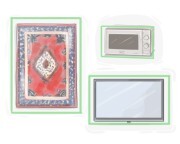
rectangular [adjective]

shaped like a rectangle, with four right angles

Ex:

(of a gas, liquid, light, or heat) to come out or leak from a place where it was contained

Ex:

a method, product, way of doing something, etc. that is newly introduced
Ex: He introduced an innovation that reduced production costs significantly .

to show, point out, or suggest the existence, presence, or nature of something

Ex: The arrow on the map indicates the next turn .
settler [noun]

someone who along with others moves to a new place to live there and make a community

fragment [noun]

a small piece or part that has broken off from a larger whole, often referring to objects or materials

Ex: The mechanic replaced the fragment of the broken mirror with a new piece .
pottery [noun]

pots, dishes, etc. that are made of clay by hand and then baked in a kiln to be hardened
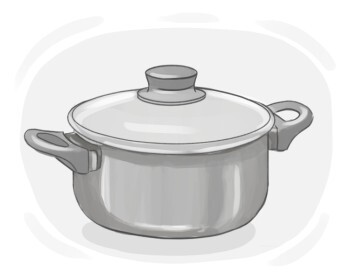
pot [noun]

a container which is round, deep, and typically made of metal, used for cooking

Ex: He boiled water in a pot for his morning tea .
to store [verb]

to keep something in a particular place for later use, typically in a systematic or organized manner

Ex: He stored his important documents in a secure file cabinet for safekeeping .
alight [adjective]

burning with flames

Ex: The barn was already alight when the firefighters arrived .
paddock [noun]

small enclosed area or field where horses are kept, exercised, or prepared before a race
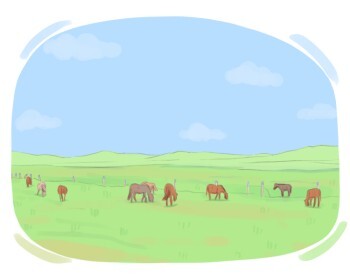
Ex: They fenced off the paddock to separate the horses during feeding time .
to graze [verb]

(of sheep, cows, etc.) to feed on the grass in a field
Ex: Farmers rotate their livestock to different fields to ensure they have fresh areas to graze .
evidence [noun]

anything that proves the truth or possibility of something, such as facts, objects, or signs

Ex: Before drawing conclusions , it 's important to carefully evaluate all available evidence and consider alternative explanations .
plot [noun]

a small area of land intended or marked for a particular use such as gardening

Ex: Each community member was given a plot to grow their own flowers .

to provide the necessary nourishment or resources needed for survival or well-being
Ex: The diet plan helps to sustain your body with the proper nutrients it needs .

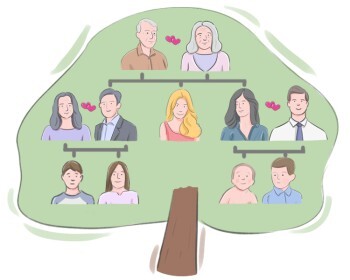
a large family group consisting of parents and children that might also include grandparents, aunts, or uncles

Ex: During the holidays , the extended family gathers at the grandparents ' house for a big feast .
rotational [adjective]

moving animals from one area to another regularly so the grass has time to grow back

Ex: The ranch 's rotational plan allowed grass to recover naturally .

the act of allowing animals to eat too much grass in an area, which damages the land and prevents new grass from growing

Ex: Many environmental groups are working to prevent overgrazing .
recovery [noun]

a return to a previous or normal state

Ex: Recovery of the building took several months .
year-round [adjective]

happening the whole year

Ex: The museum offers year-round exhibits and events to engage visitors of all ages .
shelter [noun]

a structure offering protection and privacy from danger

Ex: Soldiers constructed a temporary shelter for the night .
to cease [verb]

to stop happening or existing

Ex: Once the meeting concluded , all discussions ceased .
abruptly [adverb]

in a sudden or unexpected manner

Ex: The car abruptly stopped in the middle of the road .
factor [noun]

one of the things that affects something or contributes to it

Ex: Economic stability is an important factor for investors when considering where to put their money .

to be one of the causes or reasons that helps something happen

Ex: Volunteer efforts significantly contribute to the charity 's growth .

the conditions or factors that surround and influence a particular situation

Ex:
productive [adjective]

causing or resulting in a specific outcome
Ex: Regular exercise is productive of better physical and mental health .
to lead [verb]

to be the cause of something

Ex: Poor communication often leads to misunderstandings .

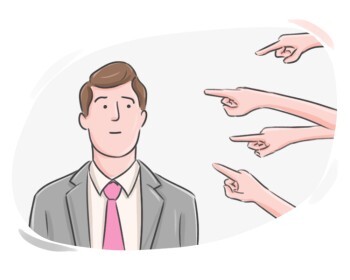
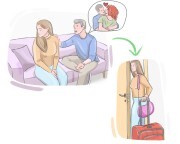
the act of leaving someone or something behind, usually without care or intention to return
Ex:
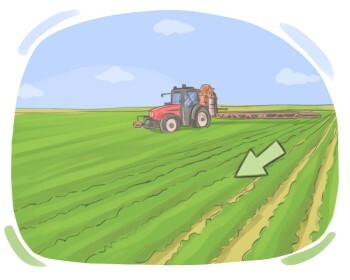
crop [noun]

a plant that is grown for food over large areas of land

Ex: The crop of rice was abundant this year due to favorable weather conditions .
rotation [noun]

the process of changing the crops grown in a particular field each season to maintain soil health and reduce pests
Ex: Rotation of crops also reduces the buildup of pests in the soil .
partly [adverb]

to a specific extent or degree

Ex: The road was blocked , partly by snow and partly by fallen trees .
responsible [adjective]

being the main cause of something

Ex: The faulty wiring was found to be responsible for the fire .
intensive [adjective]

involving a lot of effort, attention, and activity in a short period of time

Ex: The boot camp was known for its intensive physical workouts and strict discipline .
sustainable [adjective]

able to continue for a long period of time
Ex: The community garden provided sustainable access to fresh produce for local residents .
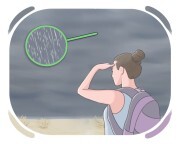
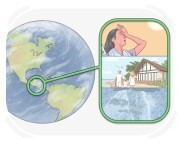
climatic [adjective]

related to the weather of a specific area
Ex: The climatic factors , such as temperature and precipitation , play a significant role in determining the types of vegetation found in different ecosystems .
relatively [adverb]

to a specific degree, particularly when compared to other similar things

Ex: The cost of living here is relatively low .
dry [adjective]

(of weather) characterized by a lack of precipitation

Ex: The dry climate of the desert can make temperatures feel much hotter during the day .
archeological [adjective]

related to the study or exploration of human history and prehistory through the excavation of artifacts and sites

Ex: The archeological dig revealed the remains of a Neolithic settlement beneath the modern town .

to take responsibility for something and start to do it

Ex: Entrepreneurs often undertake the challenge of launching and managing their own businesses .

the act or process of gathering evidence or facts of a matter in a scientific and systematic way

Ex: The medical team 's investigation identified the source of the outbreak and recommended measures to contain it .

to impose limits or regulations on someone or something, typically to control or reduce its scope or extent

Ex: They decided to restrict the use of company resources during the off-hours .
to house [verb]

to provide accommodation for someone, typically by giving them a place to live

Ex: They decided to house their elderly parents in a comfortable assisted living facility .
decline [noun]

a change toward a smaller, lower, or reduced state

Ex: There has been a sharp decline in student enrollment this year .
regrowth [noun]

the process of new growth returning after something has been removed, damaged, or lost

Ex: Regrowth of the grass was seen within weeks of the mowing .

to find or discover something by searching for its features, characteristics, or details

Ex: She identified the song as soon as it started playing .
Cambridge IELTS 19 - Academic
Test 1 - Listening - Part 1 Test 1 - Listening - Part 2 Test 1 - Listening - Part 3 (1) Test 1 - Listening - Part 3 (2)
Test 1 - Listening - Part 4 (1) Test 1 - Listening - Part 4 (2) Test 1 - Reading - Passage 1 (1) Test 1 - Reading - Passage 1 (2)
Test 1 - Reading - Passage 2 (1) Test 1 - Reading - Passage 2 (2) Test 1 - Reading - Passage 2 (3) Test 1 - Reading - Passage 3 (1)
Test 1 - Reading - Passage 3 (2) Test 1 - Reading - Passage 3 (3) Test 2 - Listening - Part 1 Test 2 - Listening - Part 2 (1)
Test 2 - Listening - Part 2 (2) Test 2 - Listening - Part 3 (1) Test 2 - Listening - Part 3 (2) Test 2 - Listening - Part 4 (1)
Test 2 - Listening - Part 4 (2) Test 2 - Reading - Passage 1 (1) Test 2 - Reading - Passage 1 (2) Test 2 - Reading - Passage 1 (3)
Test 2 - Reading - Passage 2 (1) Test 2 - Reading - Passage 2 (2) Test 2 - Reading - Passage 2 (3) Test 2 - Reading - Passage 3 (1)
Test 2 - Reading - Passage 3 (2) Test 2 - Reading - Passage 3 (3) Test 3 - Listening - Part 1 Test 3 - Listening - Part 2 (1)
Test 3 - Listening - Part 2 (2) Test 3 - Listening - Part 3 (1) Test 3 - Listening - Part 3 (2) Test 3 - Listening - Part 4 (1)
Test 3 - Listening - Part 4 (2) Test 3 - Reading - Passage 1 (1) Test 3 - Reading - Passage 1 (2) Test 3 - Reading - Passage 1 (3)
Test 3 - Reading - Passage 2 (1) Test 3 - Reading - Passage 2 (2) Test 3 - Reading - Passage 2 (3) Test 3 - Reading - Passage 3 (1)
Test 3 - Reading - Passage 3 (2) Test 3 - Reading - Passage 3 (3) Test 3 - Reading - Passage 3 (4) Test 4 - Listening - Part 1 (1)
Test 4 - Listening - Part 1 (2) Test 4 - Listening - Part 2 (1) Test 4 - Listening - Part 2 (2) Test 4 - Listening - Part 3 (1)
Test 4 - Listening - Part 3 (2) Test 4 - Listening - Part 4 (1) Test 4 - Listening - Part 4 (2) Test 4 - Listening - Part 4 (3)
Test 4 - Reading - Passage 1 (1) Test 4 - Reading - Passage 1 (2) Test 4 - Reading - Passage 1 (3) Test 4 - Reading - Passage 2 (1)
Test 4 - Reading - Passage 2 (2) Test 4 - Reading - Passage 2 (3) Test 4 - Reading - Passage 2 (4) Test 4 - Reading - Passage 3 (1)
Test 4 - Reading - Passage 3 (2) Test 4 - Reading - Passage 3 (3) Test 4 - Reading - Passage 3 (4)