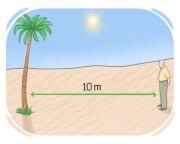
pattern

Cambridge IELTS 15 - Akadémiai - Teszt 4 - Olvasás - Szakasz 2

Itt megtalálhatja a Cambridge IELTS 15 - Academic tankönyv 4. teszt - Olvasás - 2. szöveg szókincsét, hogy segítsen felkészülni az IELTS vizsgájára.

Áttekintés

Villámkártyák

alakok

Betűzés

Kvíz

Indítsa el a tanulást
Cambridge IELTS 15 - Academic
off
off
[határozószó]

at or to a certain distance away in physical space

távol, messze

távol, messze

Ex: Their cottage is just a short walk off from the lake. 

A házikójuk csak egy rövid sétára távol van a tótól.

mountainous
mountainous
[melléknév]

(of an area) having a lot of mountains

hegyes, dombos

hegyes, dombos

Ex: They drove through a mountainous landscape on their road trip. 

Hegyvidéki tájon át hajtottak útjuk során.
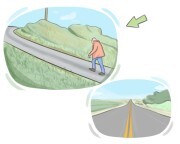
steep
steep
[melléknév]

(of a surface) having a sharp slope or angle, making it difficult to climb or walk up

meredek, szakadékos

meredek, szakadékos

Ex: She found herself out of breath after climbing the steep staircase to the top of the tower. 

Lélegzet nélkül találta magát, miután megmászta a meredek lépcsőt a torony tetejéig.

rocky
rocky
[melléknév]

having a surface that is covered with large, uneven, or rough rocks, stones, or boulders

sziklás, kőzetes

sziklás, kőzetes

Ex: The beach was rocky, with large boulders scattered along the shore. 

A strand sziklás volt, nagy sziklákkal szórtan a part mentén.

slope
slope
[Főnév]

a raised landform, hill, or incline

lejtő, emelkedő

lejtő, emelkedő

Ex: Snow covered the mountain slope. 

A hó befedte a hegy lejtőjét.

wooded
wooded
[melléknév]

covered with growing trees and bushes etc

erdős, fákkal benőtt

erdős, fákkal benőtt

ravine
ravine
[Főnév]

a deep narrow valley with steep sides, usually worn by a stream

szurdok,  szakadék

szurdok, szakadék

Ex: During heavy rains, the ravine fills quickly with rushing water, creating a powerful stream that carves deeper into the landscape. 

Heves esőzés alatt a szakadék gyorsan megtelik rohanó vízzel, amely erős áramlatot hoz létre, mélyebben vájva a tájba.

whistle
whistle
[Főnév]

the action of producing a sound to signal, summon, or attract attention

fütty, síp

fütty, síp

Ex: She gives a whistle to call the dog. 

Egy fütyülést ad, hogy hívja a kutyát.

means
means
[Főnév]

a way, system, object, etc. through which one can achieve a goal or accomplish a task

eszköz, szerszám

eszköz, szerszám

Ex: Hard work and determination are essential means to achieve success. 

A kemény munka és az elszántság elengedhetetlen eszközök a siker eléréséhez.

to transmit

to convey or communicate something, such as information, ideas, or emotions, from one person to another

továbbít, közöl

továbbít, közöl

Ex: Effective teachers strive to transmit not only knowledge but also a passion for learning to their students. 

A hatékony tanárok arra törekednek, hogy nemcsak tudást, hanem a tanulás iránti szenvedélyt is közvetítsenek diákjaik számára.

terrain
terrain
[Főnév]

an area of land, particularly in reference to its physical or natural features

terület, táj

terület, táj

Ex: Military strategists studied the terrain meticulously to determine the best approach for advancing their troops across the battlefield. 

A katonai stratéga-gyakorlatok alaposan tanulmányozták a terepet, hogy meghatározzák a legjobb megközelítést csapataik hadszíntéren való előrehaladásához.

to [shed] light on {sth}

to provide clarification, understanding, or insight into a topic, situation, or problem

fényt derít valamire, tisztáz valamit

fényt derít valamire, tisztáz valamit

Ex: Her explanation shed light on a problem we had misunderstood for months. 

A magyarázata tisztázott egy problémát, amelyet hónapokig félreértettünk.
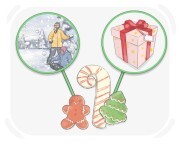
to associate

to make a connection between someone or something and another in the mind

társít, összekapcsol

társít, összekapcsol

Ex: The brand is keen on creating advertisements that help consumers associate positive emotions with their products. 

A márka szeretne olyan reklámokat készíteni, amelyek segítenek a fogyasztóknak pozitív érzelmeket társítani termékeikkel.

remarkably
remarkably
[határozószó]

in a way that is unusually impressive, effective, or surprising

figyelemre méltóan, figyelemre méltó módon

figyelemre méltóan, figyelemre méltó módon

Ex: The team worked remarkably under pressure. 

A csapat figyelemre méltóan dolgozott nyomás alatt.

flexible
flexible
[melléknév]

capable of adjusting easily to different situations, circumstances, or needs

rugalmas, alkalmazkodóképes

rugalmas, alkalmazkodóképes

Ex: A flexible mindset helps in navigating unexpected challenges at work. 

A rugalmas gondolkodás segít a munkahelyi váratlan kihívások kezelésében.

to interpret

to understand or assign meaning to something

értelmez, megért

értelmez, megért

Ex: Analyzing data allows scientists to interpret patterns and draw conclusions from their research. 

Az adatok elemzése lehetővé teszi a tudósok számára, hogy értelmezzék a mintákat és következtetéseket vonjanak le kutatásaikból.

scope
scope
[Főnév]

the area or extent within which something operates, has influence, or exercises control

hatály, terület

hatály, terület

Ex: His authority has limited scope within the department. 

A tekintélye korlátozott hatáskörrel rendelkezik az osztályon belül.

to recognize

to completely understand, acknowledge, or become aware of the existence, validity, or importance of something

felismer, elismer

felismer, elismer

Ex: It is important to recognize the signs of burnout and take action to address them. 

Fontos felismerni a kiégés jeleit és intézkedéseket tenni azok kezelésére.

co-author
co-author
[Főnév]

a person who collaborates with one or more individuals in writing a book, article, or other work

társszerző, közös szerző

társszerző, közös szerző

Ex: The two scientists were co-authors of the study. 

A két tudós a tanulmány társszerzője volt.

associate professor

a teacher lower in rank than a full professor but higher than an assistant professor

egyetemi docens, társprofesszor

egyetemi docens, társprofesszor

substitute
substitute
[Főnév]

an object or thing used in place of another

helyettesítő, pótlék

helyettesítő, pótlék

Ex: The chef used honey as a substitute for sugar in the recipe. 

A séf mézet használt cukor helyettesítőjeként a receptben.

individual
individual
[melléknév]

considered a separate or distinct entity

egyéni, különálló

egyéni, különálló

Ex: He has his own individual style of painting that sets him apart from other artists. 

Saját, egyéni festési stílusa van, ami megkülönbözteti más művészektől.

frequency
frequency
[Főnév]

the specific number of waves that pass a point every second

frekvencia

frekvencia

Ex: The radio station broadcasts at a frequency of 101.5 megahertz. 

A rádióállomás 101,5 megahertz frekvencián sugároz.

tone
tone
[Főnév]

a vocal or musical sound with a particular pitch, intensity, and quality

hangszín, tonalitás

hangszín, tonalitás

Ex: She spent hours practicing to perfect the tone of her voice, ensuring it was just right for the important audition. 

Órákat gyakorolt, hogy tökéletesítse hangja tónusát, biztosítva, hogy pontosan megfeleljen a fontos meghallgatáshoz.

pitch
pitch
[Főnév]

the degree of highness or lowness of a tone that is determined by the frequency of waves producing it

hangmagasság, tónus

hangmagasság, tónus

Ex: The violinist played a high pitch to create a sense of urgency in the piece. 

A hegedűs magas hangmagasságot játszott, hogy sürgősség érzetét keltsa a darabban.

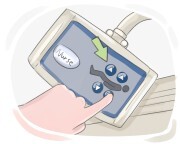
to cup
to cup
[ige]

to shape one's hands in a rounded or curved manner

kezét csészé alakba formálja, pohár formára alakít
kezét csészé alakba formálja, pohár formára alakít

Ex: The child cupped his hands and eagerly waited for the teacher to place a small bird in them. 

A gyerek kezét csészébe formálta és türelmetlenül várta, hogy a tanár egy kis madarat helyezzen bele.

to adjust

to slightly alter or move something in order to improve it or make it work better

beállít, igazít

beállít, igazít

Ex: Engineers regularly adjust the settings of the machinery for optimal efficiency. 

A mérnökök rendszeresen beállítják a gépek beállításait az optimális hatékonyság érdekében.

direction
direction
[Főnév]

the position that someone or something faces, points, or moves toward

irány, oldal

irány, oldal

Ex: The compass indicated the correct direction to help the hikers find their way through the forest. 

Az iránytű a helyes irányt mutatta, hogy segítse a túrázókat az erdőben való eligazodásban.

ambiguity
ambiguity
[Főnév]

the state of being unclear due to multiple possible meanings

kétértelműség, homályosság
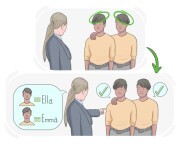
kétértelműség, homályosság

Ex: Without specific dates in the old letter, there was ambiguity about when the events actually occurred. 

A régi levélben hiányoztak a konkrét dátumok, ezért kétértelműség volt abban, hogy mikor történtek valójában az események.

to distinguish

to recognize and mentally separate two things, people, etc.

megkülönböztet, elválaszt

megkülönböztet, elválaszt

Ex: She could easily distinguish between identical twins by their personalities. 

Könnyedén megkülönböztethette az egypetéjű ikreket a személyiségük alapján.

repetition
repetition
[Főnév]

the act of doing or performing something again

ismétlés

ismétlés

Ex: Repetition of key phrases helped her memorize the speech. 

A kulcsfontosságú kifejezések ismétlése segített neki a beszéd memorizálásában.

context
context
[Főnév]

the surrounding discourse that provides clarity and understanding to a language unit, helping to determine its interpretation

környezet, keret

környezet, keret

Ex: The context provided by the surrounding paragraphs made the meaning of the word clear. 

A környező bekezdések által nyújtott kontextus világossá tette a szó jelentését.

to [make] {oneself} understood

to express one's thoughts and ideas clearly and effectively so that others can understand them easily
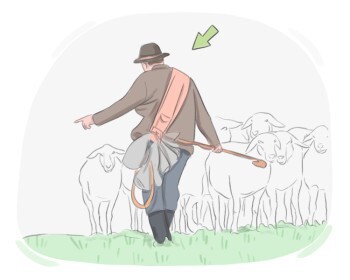
Ex: She spoke slowly to make herself understood by the international audience. 
shepherd
shepherd
[Főnév]

a person who protects a large group of sheep as a job

pásztor, juhász

pásztor, juhász

Ex: Every morning, the shepherd checks the sheep for injuries. 

Minden reggel a pásztor ellenőrzi a juhokat sérülésekre.

folk
folk
[Főnév]

a group of people who share the same culture, usually in traditional societies

nép, emberek

nép, emberek

Ex: Anthropologists studied the folk to understand their unique cultural practices. 

Az antropológusok a népet tanulmányozták, hogy megértsék egyedi kulturális gyakorlataikat.

novel
novel
[melléknév]

new and unlike anything else

új, eredeti

új, eredeti

Ex: The scientist's research findings presented a novel perspective on the origins of the universe. 

A tudós kutatási eredményei egy új perspektívát mutattak be az univerzum eredetére.

up to
up to
[elöljárószó]

indicating that the quantity or count mentioned does not exceed a specified value

legfeljebb, maximum

legfeljebb, maximum

Ex: She can do up to 20 push-ups. 

Legfeljebb 20 fekvőtámaszt tud megcsinálni.

via
via
[elöljárószó]

by means of a particular person, system, etc.

keresztül, segítségével

keresztül, segítségével

Ex: Reports are coming in via satellite. 

A jelentések műholdon keresztül érkeznek.

command
command
[Főnév]

an order, particularly given by someone in a position of authority

parancs, utasítás

parancs, utasítás

Ex: She followed the captain's command to lower the sails as the storm approached. 

Követte a kapitány parancsát, hogy leengedje a vitorlákat, ahogy a vihar közeledett.

neuroimaging
neuroimaging
[Főnév]

a variety of techniques used to visualize the structure and function of the brain and nervous system

neuroképalkotás, agyi képalkotás

neuroképalkotás, agyi képalkotás

Ex: Neuroimaging helps clinicians detect abnormalities such as tumors or strokes. 

Neuroimaging segíti a klinikusokat az olyan rendellenességek észlelésében, mint a daganatok vagy a szélütések.
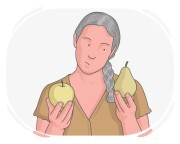
to contrast

to compare two people or things so that their differences are noticeable

kontrasztol
kontrasztol

Ex: Can you please contrast the main characters in the novel? 

Kérlek, össze tudnád hasonlítani a regény főszereplőit?

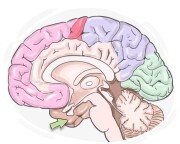
temporal lobe
temporal lobe
[Főnév]

a region of the brain responsible for auditory processing, memory, language comprehension, and visual perception

halántéklebeny, temporális terület
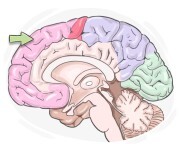
halántéklebeny, temporális terület

frontal lobe
frontal lobe
[Főnév]

a region of the brain responsible for cognitive functions such as decision-making or problem-solving

frontális lebeny, agy frontális területe
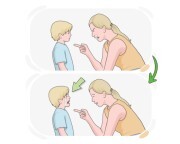
frontális lebeny, agy frontális területe

to respond

to do something or provide a reply based on what others have done or said

válaszol, reagál

válaszol, reagál

Ex: The government responded to the public outcry by introducing new legislation. 

A kormány új törvények bevezetésével válaszolt a közfelháborodásra.

in response to
in response to
[elöljárószó]

as a reaction or answer to something

válaszként, reakcióként

válaszként, reakcióként

Ex: The company issued a statement in response to the allegations. 

A cég nyilatkozatot adott ki válaszként a vádakra.

capacity
capacity
[Főnév]

the ability or power to achieve something or develop into a certain state in the future

kapacitás, potenciál

kapacitás, potenciál

Ex: The company’s capacity for growth is evident in its increasing customer base and expanding product line. 

A vállalat növekedési képessége nyilvánvaló a növekvő ügyfélkörében és a bővülő termékvonalában.

left hemisphere

the cerebral hemisphere to the left of the corpus callosum that controls the right half of the body

bal félteke, bal agyfélteke

bal félteke, bal agyfélteke

independent
independent
[melléknév]

free from external control, influence, or constraint

független, önálló

független, önálló

Ex: Independent decision-making is valued in leadership. 

A független döntéshozatal értékelendő a vezetésben.

modality
modality
[Főnév]

the way in which language expresses the speaker's or writer's attitude, opinion, or degree of certainty regarding a statement or proposition

modalitás, mód

modalitás, mód

origin
origin
[Főnév]

the source or point of beginning of something, such as the historical, cultural, or linguistic roots of a word, concept, or phenomenon

eredet, forrás

eredet, forrás

obscure
obscure
[melléknév]

not well-known or widely recognized

kevésbé ismert, homályos

kevésbé ismert, homályos

Ex: The artist's early works were obscure, with only a few critics appreciating their unique style. 

A művész korai munkái homályosak voltak, csak néhány kritikus értékelte egyedi stílusukat.

indigenous
indigenous
[melléknév]

relating to the original inhabitants of a particular region or country, who have distinct cultural, social, and historical ties to that land

őshonos,  bennszülött

őshonos, bennszülött

Ex: Indigenous communities often have a deep spiritual connection to the land, viewing it as sacred and integral to their identity. 

A bennszülött közösségeknek gyakran mély spirituális kapcsolata van a földdel, amelyet szentnek és az identitásuk szerves részének tekintenek.
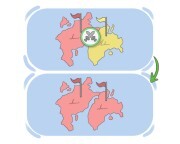
to conquer

to gain control of a place or people using armed forces

meghódít, leigáz

meghódít, leigáz

Ex: The warlord aimed to conquer neighboring regions to expand his dominion. 

A harcos úr célja az volt, hogy meghódítsa a szomszédos területeket, hogy kiterjessze uralmát.

pocket
pocket
[Főnév]

a small isolated group of people

zseb, elszigetelt csoport

zseb, elszigetelt csoport

isolated
isolated
[melléknév]

feeling or being disconnected from others, either physically or socially

elszigetelt, leválasztott

elszigetelt, leválasztott

Ex: Not joining the social gathering, she remained isolated from the lively conversations, choosing solitude instead. 

Nem csatlakozva a társas összejövetelhez, elszigetelten maradt az élénk beszélgetésektől, és inkább a magányt választotta.

to threaten

to indicate a potential danger or risk to someone or something

fenyeget, veszélyt jelent

fenyeget, veszélyt jelent

Ex: The predator's presence in the area threatened the smaller animals. 

A ragadozó jelenléte a területen fenyegette a kisebb állatokat.

extinction
extinction
[Főnév]

a situation in which a particular animal or plant no longer exists

kihalás

kihalás

dwindling
dwindling
[melléknév]

gradually decreasing until little remains

fogyó, csökkenő

fogyó, csökkenő

islander
islander
[Főnév]

an inhabitant of an island

szigetlakó, sziget lakója

szigetlakó, sziget lakója

to [take] a step
to take a step
[kifejezés]

to make progress or take action toward achieving something

Ex: We need to take a step back and evaluate the situation carefully. 
elementary school

a primary school for the first six or eight grades

általános iskola, elemi iskola

általános iskola, elemi iskola

Ex: The elementary school hosted a talent show to showcase the students' talents. 

Az általános iskola tehetségmutatót rendezett a diákok tehetségének bemutatására.

to declare

to officially tell people something

kijelent, nyilvánít
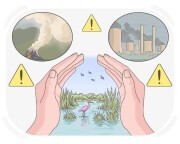
kijelent, nyilvánít

Ex: The government decided to declare a state of emergency in response to the natural disaster. 

A kormány úgy döntött, hogy rendkívüli állapotot hirdet a természeti katasztrófa válaszául.

to preserve

to protect something against danger or harm

megőriz, véd

megőriz, véd

Ex: Parents often try to preserve their children's innocence for as long as possible. 
under threat
under threat
[határozószó]

in a situation where something harmful or dangerous is likely to happen, often due to a warning or risk

fenyegetés alatt, fenyegetett

fenyegetés alatt, fenyegetett

Ex: The village was evacuated under threat of an incoming storm. 

A falut a fenyegetés alatt evakuálták egy közeledő vihar miatt.

LanGeek
LanGeek alkalmazás letöltése