pattern

Cambridge IELTS 15 - Academic - Test 4 - Czytanie - Fragment 2

Ucz się słownictwa z Cambridge IELTS 15 Academic, Test 4 Reading Passage 2 i powtarzaj przydatne słowa i wyrażenia z tego tekstu do czytania.

Przegląd

Fiszki

formy

Pisownia

Test
Zacznij naukę
Cambridge IELTS 15 - Academic
off
off
[przysłówek]

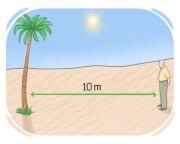
at or to a certain distance away in physical space

z dala, daleko

z dala, daleko

Ex: You can see the island just a mile off. 

Możesz zobaczyć wyspę zaledwie milę dalej.

mountainous
mountainous
[przymiotnik]

(of an area) having a lot of mountains

górzysty, górski

górzysty, górski

Ex: The weather in mountainous regions can be unpredictable. 

Pogoda w regionach górzystych może być nieprzewidywalna.
steep
steep
[przymiotnik]

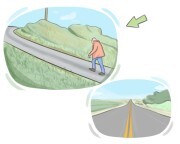
(of a slope or surface) rising or falling at a sharp angle

Ex: Their house stands on a steep slope overlooking the sea. 
rocky
rocky
[przymiotnik]

having a surface that is covered with large, uneven, or rough rocks, stones, or boulders

kamienisty, skalisty

kamienisty, skalisty

Ex: The soil in the garden was rocky, making it difficult to dig and plant flowers. 

Gleba w ogrodzie była kamienista, co utrudniało kopanie i sadzenie kwiatów.

slope
slope
[Rzeczownik]

the inclined side of a hill, mountain, or valley

zbocze,  stok
zbocze, stok

Ex: The skiers headed toward a gentler slope. 
wooded
wooded
[przymiotnik]

covered with growing trees and bushes etc

zalesiony, porośnięty drzewami

zalesiony, porośnięty drzewami

ravine
ravine
[Rzeczownik]

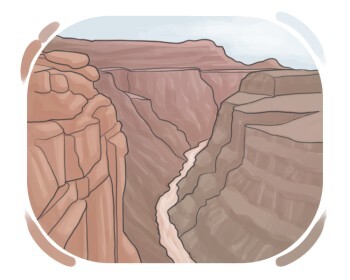
a deep narrow valley with steep sides, usually worn by a stream

wąwóz,  parów

wąwóz, parów

Ex: Over time, the ravine has become a habitat for a variety of plant and animal species adapted to its unique microclimate. 

Z biegiem czasu wąwóz stał się siedliskiem różnych gatunków roślin i zwierząt przystosowanych do jego unikalnego mikroklimatu.

whistle
whistle
[Rzeczownik]

a signal, warning, or summons given by whistling or blowing a whistle

gwizdek,  gwizd

gwizdek, gwizd

Ex: The conductor's whistle signaled that the train was ready to leave. 
means
means
[Rzeczownik]

a way, system, object, etc. through which one can achieve a goal or accomplish a task

środek, narzędzie

środek, narzędzie

Ex: Education is a powerful means to improve one's future prospects. 
to transmit
to transmit
[Czasownik]

to communicate an idea, feeling, message, or knowledge to another person

przekazywać,  komunikować

przekazywać, komunikować

Ex: The novel successfully transmits the fear experienced by the characters. 
terrain
terrain
[Rzeczownik]

an area of land, particularly in reference to its physical or natural features

teren, krajobraz

teren, krajobraz

Ex: The diverse terrain of the national park attracted outdoor enthusiasts seeking adventure, from dense forests to rocky cliffs and serene lakes. 

Różnorodny teren parku narodowego przyciągał miłośników outdooru poszukujących przygód, od gęstych lasów po skaliste klify i spokojne jeziora.

to [shed] light on {sth}

to provide clarification, understanding, or insight into a topic, situation, or problem

rzucić światło na coś, wyjaśnić coś

rzucić światło na coś, wyjaśnić coś

Ex: Can you shed some light on the numbers in this chart? 

Czy możesz trochę wyjaśnić liczby na tym wykresie?
to associate
to associate
[Czasownik]

to make a connection between someone or something and another in the mind

kojarzyć, wiązać

kojarzyć, wiązać

Ex: Many people associate the smell of freshly baked cookies with warmth and home. 
remarkably
remarkably
[przysłówek]

in a way that is unusually impressive, effective, or surprising

znakomicie, w sposób godny uwagi

znakomicie, w sposób godny uwagi

Ex: The actor portrayed the character remarkably, bringing new depth to the role. 

Aktor znakomicie przedstawił postać, nadając roli nową głębię.

flexible
flexible
[przymiotnik]

capable of adjusting easily to different situations, circumstances, or needs

elastyczny, przystosowawczy

elastyczny, przystosowawczy

Ex: She remained flexible during negotiations, seeking a solution that benefited everyone. 

Pozostała elastyczna podczas negocjacji, szukając rozwiązania, które przyniosłoby korzyści wszystkim.

to interpret
to interpret
[Czasownik]

to understand or assign meaning to something

interpretować, rozumieć

interpretować, rozumieć

Ex: Psychologists interpret dreams to gain insights into a person's subconscious thoughts. 
scope
scope
[Rzeczownik]

the area or extent within which something operates, has influence, or exercises control

zakres, zasięg

zakres, zasięg

Ex: The project's scope expanded to include environmental research. 
to recognize
to recognize
[Czasownik]

to completely understand, acknowledge, or become aware of the existence, validity, or importance of something

rozpoznawać, uznawać

rozpoznawać, uznawać

Ex: He didn't recognize the importance of financial planning until he faced a major expense. 
co-author
co-author
[Rzeczownik]

a person who collaborates with one or more individuals in writing a book, article, or other work

współautor, współautorka

współautor, współautorka

Ex: The textbook was written by three co-authors. 

Podręcznik został napisany przez trzech współautorów.

associate professor

a teacher lower in rank than a full professor but higher than an assistant professor

profesor nadzwyczajny, adiunkt

profesor nadzwyczajny, adiunkt

substitute
substitute
[Rzeczownik]

an object or thing used in place of another

zamiennik, substytut

zamiennik, substytut

Ex: Soya milk is a common substitute for dairy milk in vegan diets. 
individual
individual
[przymiotnik]

considered a separate or distinct entity

indywidualny, oddzielny
indywidualny, oddzielny

Ex: Each individual case is unique and requires careful consideration. 
frequency
frequency
[Rzeczownik]

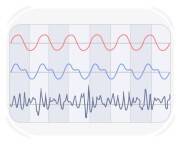
the specific number of waves that pass a point every second

częstotliwość

częstotliwość

Ex: Higher frequencies of light, such as ultraviolet and X-rays, have shorter wavelengths. 
tone
tone
[Rzeczownik]

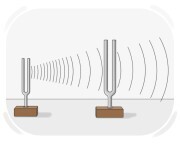
a vocal or musical sound with a particular pitch, intensity, and quality

ton, tonalność
ton, tonalność

Ex: The violinist's tone, which was smooth and expressive, perfectly captured the emotional essence of the classical piece being performed. 
pitch
pitch
[Rzeczownik]

the degree of highness or lowness of a tone that is determined by the frequency of waves producing it

ton, wysokość dźwięku
ton, wysokość dźwięku

Ex: She adjusted the pitch of her voice to match the melody of the song perfectly. 
to cup
to cup
[Czasownik]

to shape one's hands in a rounded or curved manner

ułożyć dłonie w kształt kubka, nadawać kształt kubka
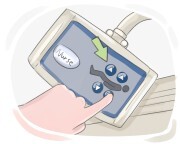
ułożyć dłonie w kształt kubka, nadawać kształt kubka

Ex: She cupped her hands to catch the raindrops falling from the sky. 
to adjust
to adjust
[Czasownik]

to change or regulate something slightly so that it works better or is more suitable or accurate

dostosować,  wyregulować

dostosować, wyregulować

Ex: We may need to adjust the schedule if the meeting runs late. 
direction
direction
[Rzeczownik]

the position that someone or something faces, points, or moves toward

kierunek, strona

kierunek, strona

Ex: She looked in the direction of the sound, curious about what was happening nearby. 
ambiguity
ambiguity
[Rzeczownik]

the state of being unclear due to multiple possible meanings

niejednoznaczność, dwuznaczność
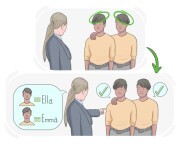
niejednoznaczność, dwuznaczność

Ex: Without specific dates in the old letter, there was ambiguity about when the events actually occurred. 
to distinguish
to distinguish
[Czasownik]

to recognize and mentally separate two things, people, etc.

rozróżniać, odróżniać

rozróżniać, odróżniać

Ex: The detective could distinguish the authentic painting from the clever forgery. 
repetition
repetition
[Rzeczownik]

the act of doing or performing something again

powtórzenie

powtórzenie

Ex: The musician improved through the repetition of scales and exercises. 
context
context
[Rzeczownik]

the surrounding discourse that provides clarity and understanding to a language unit, helping to determine its interpretation

kontekst, ramy

kontekst, ramy

Ex: The meaning of the word becomes clear from the context. 
to [make] {oneself} understood

to express one's thoughts and ideas clearly and effectively so that others can understand them easily
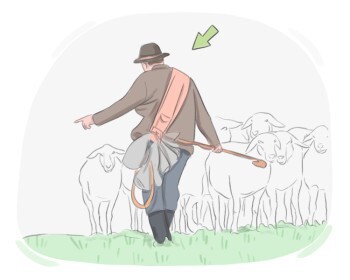
Ex: She raised her voice to make herself understood over the noise in the room. 
shepherd
shepherd
[Rzeczownik]

a person whose job is to tend, guard, and move sheep

pasterz,  owczarz

pasterz, owczarz

Ex: A young shepherd guided the sheep across the narrow bridge. 
folk
folk
[Rzeczownik]

a people or ethnic group sharing a common culture, traditions, or identity

lud,  grupa etniczna

lud, grupa etniczna

Ex: The region was once inhabited by several different folk. 
novel
novel
[przymiotnik]

new and unlike anything else

nowy, oryginalny

nowy, oryginalny

Ex: Her novel approach to problem-solving impressed the entire team with its creativity and effectiveness. 
up to
up to
[Przyimek]

indicating that the quantity or count mentioned does not exceed a specified value

do, maksymalnie

do, maksymalnie

Ex: The warranty covers repairs up to one year after purchase. 

Gwarancja obejmuje naprawy do jednego roku po zakupie.

via
via
[Przyimek]

by means of a particular person, system, etc.

przez, za pośrednictwem

przez, za pośrednictwem

Ex: She sent me a message via WhatsApp. 

Ona wysłała mi wiadomość przez WhatsApp.
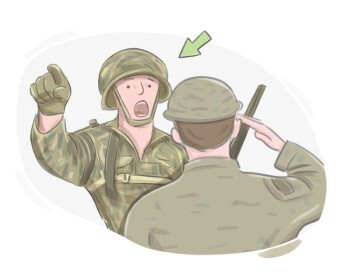
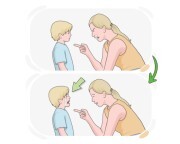
command
command
[Rzeczownik]

an order, particularly given by someone in a position of authority

rozkaz, polecenie

rozkaz, polecenie

Ex: The general issued a command for the troops to advance towards the enemy positions. 
neuroimaging
neuroimaging
[Rzeczownik]

a variety of techniques used to visualize the structure and function of the brain and nervous system

neuroobrazowanie, obrazowanie mózgu

neuroobrazowanie, obrazowanie mózgu

Ex: Advances in neuroimaging have revolutionized how we diagnose brain disorders. 

Postępy w neuroobrazowaniu zrewolucjonizowały sposób, w jaki diagnozujemy zaburzenia mózgu.
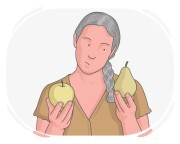
to contrast
to contrast
[Czasownik]

to compare two people or things so that their differences are noticeable

kontrastować
kontrastować

Ex: She is currently contrasting the different approaches to problem-solving. 
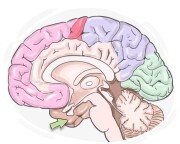
temporal lobe
temporal lobe
[Rzeczownik]

a region of the brain responsible for auditory processing, memory, language comprehension, and visual perception

płat skroniowy, obszar skroniowy
płat skroniowy, obszar skroniowy

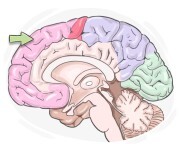
frontal lobe
frontal lobe
[Rzeczownik]

a region of the brain responsible for cognitive functions such as decision-making or problem-solving

płat czołowy, obszar czołowy mózgu
płat czołowy, obszar czołowy mózgu

to respond
to respond
[Czasownik]

to do something or provide a reply based on what others have done or said

odpowiadać, reagować

odpowiadać, reagować

Ex: They responded to the emergency by sending medical assistance to the affected area. 
in response to
in response to
[Przyimek]

as a reaction or answer to something

w odpowiedzi na, jako reakcja na

w odpowiedzi na, jako reakcja na

Ex: The government implemented new policies in response to the public outcry. 

Rząd wprowadził nowe polityki w odpowiedzi na publiczne oburzenie.

capacity
capacity
[Rzeczownik]

the ability or power to achieve something or develop into a certain state in the future

zdolność, potencjał

zdolność, potencjał

Ex: With the right training, he has the capacity to become a world-class athlete. 
left hemisphere
left hemisphere
[Rzeczownik]

the cerebral hemisphere to the left of the corpus callosum that controls the right half of the body

lewa półkula, lewa półkula mózgu

lewa półkula, lewa półkula mózgu

independent
independent
[przymiotnik]

free from external control, influence, or constraint

niezależny, samodzielny

niezależny, samodzielny

Ex: He remained independent despite pressures from his peers. 
modality
modality
[Rzeczownik]

the way in which language expresses the speaker's or writer's attitude, opinion, or degree of certainty regarding a statement or proposition

modalność, sposób

modalność, sposób

origin
origin
[Rzeczownik]

the source or point of beginning of something, such as the historical, cultural, or linguistic roots of a word, concept, or phenomenon

pochodzenie, źródło

pochodzenie, źródło

Ex: Scientists continue to study the origin of the disease. 
obscure
obscure
[przymiotnik]

not well known or widely recognized

niejasny,  mało znany

niejasny, mało znany

Ex: She became fascinated by an obscure episode in local history. 
indigenous
indigenous
[przymiotnik]

relating to the original inhabitants of a particular region or country, who have distinct cultural, social, and historical ties to that land

rdzenny,  autochtoniczny

rdzenny, autochtoniczny

Ex: Indigenous leaders are advocating for greater autonomy and recognition of their ancestral land rights. 

Przywódcy rdzennych społeczności opowiadają się za większą autonomią i uznaniem ich praw do ziem przodków.
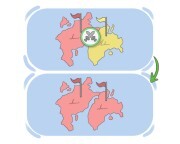
to conquer
to conquer
[Czasownik]

to gain control of a place or people using armed forces

podbić, zająć

podbić, zająć

Ex: Conquering a city often involves overcoming both physical and strategic challenges. 

Podbicie miasta często wiąże się z pokonaniem zarówno fizycznych, jak i strategicznych wyzwań.

pocket
pocket
[Rzeczownik]

a small isolated group of people

kieszeń, izolowana grupa

kieszeń, izolowana grupa

Ex: There are still isolated pockets of the population where the language is widely spoken. 
isolated
isolated
[przymiotnik]

feeling or being disconnected from others, either physically or socially

izolowany, odłączony

izolowany, odłączony

Ex: Choosing to work from home, he found himself not physically isolated but still socially distant from the daily office interactions. 

Decydując się na pracę w domu, znalazł się nie fizycznie odizolowany, ale nadal społecznie oddalony od codziennych interakcji biurowych.

to threaten
to threaten
[Czasownik]

to indicate a potential danger or risk to someone or something

grozić, stanowić zagrożenie

grozić, stanowić zagrożenie

Ex: The lack of cybersecurity measures could threaten the integrity of sensitive information. 
extinction
extinction
[Rzeczownik]

a situation in which a particular animal or plant no longer exists

wymarcie

wymarcie

dwindling
dwindling
[przymiotnik]

becoming gradually smaller or less

malejący

malejący

Ex: The town's dwindling population worried local officials. 
islander
islander
[Rzeczownik]

an inhabitant of an island

wyspiarz, mieszkaniec wyspy

wyspiarz, mieszkaniec wyspy

to [take] a step

to make progress or take action toward achieving something

Ex: He finally took a step toward fixing their relationship by apologizing. 
elementary school
elementary school
[Rzeczownik]

a primary school for the first six or eight grades

szkoła podstawowa, szkoła elementarna

szkoła podstawowa, szkoła elementarna

Ex: The elementary school implemented new teaching methods to improve learning outcomes. 

Szkoła podstawowa wprowadziła nowe metody nauczania, aby poprawić wyniki w nauce.

to declare
to declare
[Czasownik]

to officially tell people something

ogłaszać, deklarować
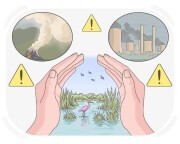
ogłaszać, deklarować

Ex: The country's leaders gathered to declare their independence from colonial rule. 
to preserve
to preserve
[Czasownik]

to protect something against danger or harm

zachować, chronić

zachować, chronić

Ex: The environmental organization campaigns to preserve wetlands as crucial ecosystems for wildlife and water purification. 
under threat
under threat
[przysłówek]

in a situation where something harmful or dangerous is likely to happen, often due to a warning or risk

pod groźbą, zagrożony

pod groźbą, zagrożony

Ex: The country's economy is under threat due to rising inflation. 

Gospodarka kraju jest zagrożona z powodu rosnącej inflacji.

LanGeek
Pobierz aplikację LanGeek