
Cambridge IELTS 15 - Академический - Тест 4 - Чтение - Отрывок 2
Изучайте лексику из Cambridge IELTS 15 Academic, Test 4 Reading Passage 2, и повторяйте полезные слова и выражения из этого текста для чтения.
Обзор
Флэш-карточки
формы
Правописание
Тест
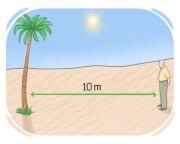
at or to a certain distance away in physical space

прочь, быть выключенным
Он молча наблюдал с десяти футов.

(of an area) having a lot of mountains
горный
Горный регион предлагает захватывающие виды и сложные походы.
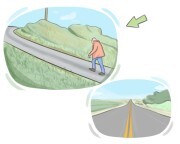
(of a surface) having a sharp slope or angle, making it difficult to climb or walk up
отвесный
Крутой холм сделал поход сложным, потребовав дополнительных усилий для подъема.

having a surface that is covered with large, uneven, or rough rocks, stones, or boulders
скалистый
Тропа в гору была каменистой, что делало поход сложным.

a raised landform, hill, or incline
склон
Туристы поднялись по крутому склону.
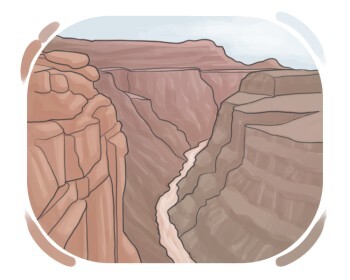
a deep narrow valley with steep sides, usually worn by a stream
ущелье
Ущелье прорезало лес, его крутые склоны были изрезаны эрозией от ручья, текущего у его основания.

the action of producing a sound to signal, summon, or attract attention
свист, свисток
Свисток спасателя предупреждает пловцов об опасности.

a way, system, object, etc. through which one can achieve a goal or accomplish a task
средство, способ
Образование является мощным средством улучшения своих будущих перспектив.
to convey or communicate something, such as information, ideas, or emotions, from one person to another
передавать
Опытные дипломаты работают над тем, чтобы передавать намерения и опасения своих правительств для достижения взаимных соглашений.
an area of land, particularly in reference to its physical or natural features
ландшафт
Неровный рельеф горного региона представлял собой значительную проблему для туристов, требуя осторожной навигации и выносливости.
to provide clarification, understanding, or insight into a topic, situation, or problem
пролить свет на что-то, прояснить что-то
Новый отчёт проливает свет на то, почему проект провалился.
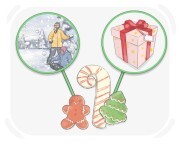
to make a connection between someone or something and another in the mind
связывать
Многие люди ассоциируют запах свежеиспечённого печенья с теплом и домом.
in a way that is unusually impressive, effective, or surprising
замечательно
Она исполнила арию замечательно, с мощью и тонкостью.
capable of adjusting easily to different situations, circumstances, or needs
гибкий
Её гибкий подход к решению проблем сделал её отличным членом команды.
to understand or assign meaning to something
интерпретировать, понимать
Психологи интерпретируют сны, чтобы получить представление о подсознательных мыслях человека.
the area or extent within which something operates, has influence, or exercises control
масштаб, сфера
Объем проекта расширился, чтобы включить экологические исследования.
to completely understand, acknowledge, or become aware of the existence, validity, or importance of something
признавать, осознавать
Осознавая свои собственные ограничения, она обратилась за помощью к профессионалу, чтобы улучшить свои навыки.
a person who collaborates with one or more individuals in writing a book, article, or other work
соавтор
Она выступила соавтором исследовательской работы.
a teacher lower in rank than a full professor but higher than an assistant professor
доцент, ассоциированный профессор
an object or thing used in place of another
заменитель, субститут
Соевое молоко является распространенным заменителем молочного молока в веганских диетах.

considered a separate or distinct entity
индивидуальный
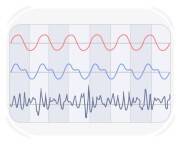
the specific number of waves that pass a point every second
частота
Частота звуковых волн определяет высоту звука.
a vocal or musical sound with a particular pitch, intensity, and quality
тон
Тон виолончели добавил теплоту ансамблю.
the degree of highness or lowness of a tone that is determined by the frequency of waves producing it
высота
Она подстроила высоту своего голоса, чтобы идеально соответствовать мелодии песни.

to shape one's hands in a rounded or curved manner
сложить ладони чашечкой, придать форму чаши
to slightly alter or move something in order to improve it or make it work better
настраивать, регулировать
Музыкант часто настраивает свою гитару перед каждым выступлением.

the position that someone or something faces, points, or moves toward
адрес
Она посмотрела в направлении звука, любопытствуя о том, что происходит рядом.
the state of being unclear due to multiple possible meanings
неопределенность
Чтобы избежать любой неоднозначности, важно определить все термины перед составлением соглашения.
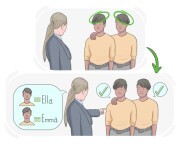
to recognize and mentally separate two things, people, etc.
различать
Детектив мог отличить подлинную картину от искусной подделки.
the act of doing or performing something again
повторение
Успех атлета был обусловлен повторением его тренировочной программы.
the surrounding discourse that provides clarity and understanding to a language unit, helping to determine its interpretation
контекст
Контекст, предоставленный окружающими абзацами, сделал значение слова ясным.
to express one's thoughts and ideas clearly and effectively so that others can understand them easily
Заставить других понять, что именно вы пытаетесь донести
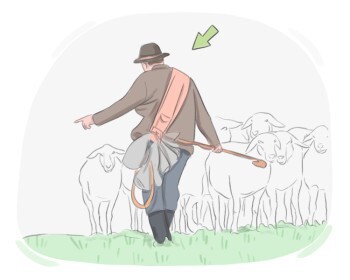
a person who protects a large group of sheep as a job
пастух, чабан
Пастух провёл стадо через долину.
a group of people who share the same culture, usually in traditional societies
народ, люди
Народ этого региона сохранял свои древние традиции веками.

new and unlike anything else
новый, свежий
Её новаторский подход к решению проблем впечатлил всю команду своей креативностью и эффективностью.
indicating that the quantity or count mentioned does not exceed a specified value
до, максимум
Ресторан может разместить до 5 человек за каждым столом.
by means of a particular person, system, etc.
через, посредством
Отчеты поступают через спутник.
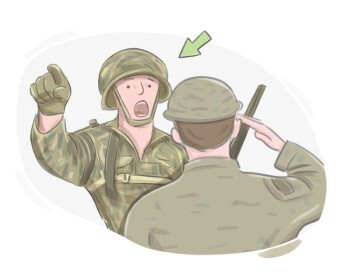
an order, particularly given by someone in a position of authority
команда
Генерал отдал приказ войскам наступать на вражеские позиции.
a variety of techniques used to visualize the structure and function of the brain and nervous system
нейровизуализация, визуализация мозга
Исследователи использовали нейровизуализацию для наблюдения за реакцией мозга во время задач на память.
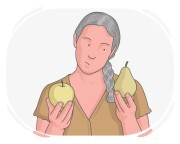
to compare two people or things so that their differences are noticeable
сопоставлять
В настоящее время она сопоставляет различные подходы к решению проблем.
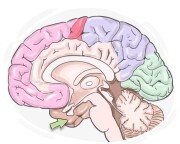
a region of the brain responsible for auditory processing, memory, language comprehension, and visual perception
височная доля
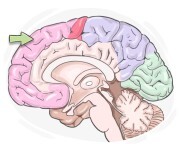
a region of the brain responsible for cognitive functions such as decision-making or problem-solving
лобная доля
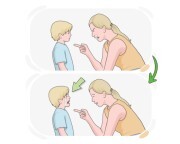
to do something or provide a reply based on what others have done or said
отвечать, реагировать
Они отреагировали на чрезвычайную ситуацию, отправив медицинскую помощь в пострадавший район.
as a reaction or answer to something
в ответ на, в качестве реакции на
В ответ на отзывы клиентов компания выпускает новый и улучшенный продукт.

the ability or power to achieve something or develop into a certain state in the future
способность
При правильной подготовке у него есть способность стать спортсменом мирового класса.
the cerebral hemisphere to the left of the corpus callosum that controls the right half of the body
левое полушарие, левое мозговое полушарие
free from external control, influence, or constraint
независимый, самостоятельный
Он остался независимым, несмотря на давление со стороны сверстников.
the way in which language expresses the speaker's or writer's attitude, opinion, or degree of certainty regarding a statement or proposition
модальность, способ
the source or point of beginning of something, such as the historical, cultural, or linguistic roots of a word, concept, or phenomenon
происхождение, источник

not well-known or widely recognized
малоизвестный, неясный
Ученый опубликовал свои находки в малоизвестном журнале, о котором немногие в этой области слышали.
relating to the original inhabitants of a particular region or country, who have distinct cultural, social, and historical ties to that land
коренной, туземный
Правительство реализовало политику по защите прав и традиций коренных народов, проживающих в отдаленных районах.
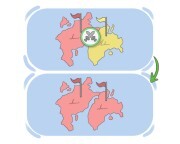
to gain control of a place or people using armed forces
завоёвывать
Армия стратегически работала, чтобы завоевать территорию врага.
feeling or being disconnected from others, either physically or socially
изолированный, отключенный
Не участвуя в командных мероприятиях, новый сотрудник казался изолированным на рабочем месте, испытывая трудности с интеграцией в коллектив.

to indicate a potential danger or risk to someone or something
угрожать, представлять угрозу
Экономический спад угрожал стабильности многих предприятий.

a situation in which a particular animal or plant no longer exists
вымирание
gradually decreasing until little remains
уменьшающийся, сокращающийся
to make progress or take action toward achieving something

a primary school for the first six or eight grades
начальная школа
Она записала свою дочь в ближайшую начальную школу в первый класс.

to officially tell people something
объявлять, провозглашать
Лидеры страны собрались, чтобы объявить о своей независимости от колониального правления.
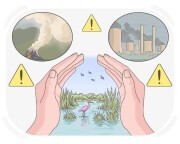
to protect something against danger or harm
сохранять
in a situation where something harmful or dangerous is likely to happen, often due to a warning or risk
под угрозой, угрожаемый
Он уступил требованиям под угрозой вреда.
| Cambridge IELTS 15 - Академический | |||
|---|---|---|---|
| Тест 3 - Чтение - Отрывок 3 | Тест 4 - Аудирование - Часть 1 | Тест 4 - Аудирование - Часть 2 | Тест 4 - Аудирование - Часть 3 |
| Тест 4 - Аудирование - Часть 4 | Тест 4 - Чтение - Отрывок 1 | Тест 4 - Чтение - Отрывок 2 | Тест 4 - Чтение - Отрывок 3 |
