
Cambridge IELTS 15 - Academic - Test 4 - Čtení - Úryvek 2
Učte se slovní zásobu z Cambridge IELTS 15 Academic, Test 4 Reading Passage 2, a procvičte si užitečná slova a výrazy z tohoto čtecího textu.
Revize
Kartičky
Pravopis
Kvíz
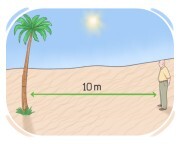
at or to a certain distance away in physical space

daleko,v dálce
Postavili novou stodolu trochu dál od staré.

(of an area) having a lot of mountains
hornatý,kopcovitý
Průzkum hornatého terénu vyžadoval pečlivou přípravu a vybavení.
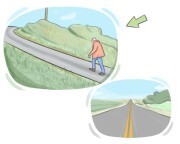
(of a slope or surface) rising or falling at a sharp angle
strmý, příkrý
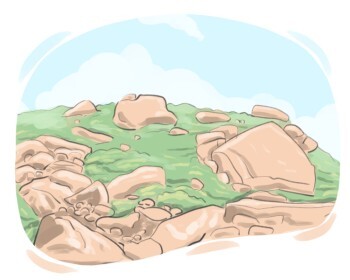
having a surface that is covered with large, uneven, or rough rocks, stones, or boulders
kamenitý,skalnatý
Cesta na horu byla kamenitá, což dělalo túru náročnou.

the inclined side of a hill, mountain, or valley
svah, úbočí
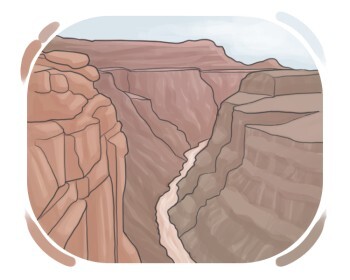
a deep narrow valley with steep sides, usually worn by a stream
rokle, údolí
Geologové studují vznik roklí, aby pochopili, jak voda po tisíciletí utváří zemský povrch.
a signal, warning, or summons given by whistling or blowing a whistle
píšťalka, hvízdnutí

a way, system, object, etc. through which one can achieve a goal or accomplish a task
prostředek,nástroj
Vzdělání je mocný prostředek ke zlepšení budoucích vyhlídek.
to make ideas, feelings, or knowledge understood or shared by others
an area of land, particularly in reference to its physical or natural features
terén,krajina
Zemědělci přizpůsobili své pěstitelské techniky různorodému terénu svých pozemků, využívali terasování na svazích a zavlažovací systémy v nížinách k optimalizaci zemědělské produktivity.
to provide clarification, understanding, or insight into a topic, situation, or problem
vnést do věci světlo, objasnit něco
Staré dopisy objasnily, proč se rozhodla město opustit.
to make a connection between someone or something and another in the mind
spojovat,asociovat
Mnoho lidí spojuje vůni čerstvě upečených sušenek s teplem a domovem.
in a way that is unusually impressive, effective, or surprising
pozoruhodně,pozoruhodným způsobem
Navzdory výzvám odpověděla pozoruhodně klidně a jasně.
able or willing to change or adapt easily to different needs or circumstances
to understand or assign meaning to something
interpretovat,rozumět
Psychologové interpretují sny, aby získali vhled do podvědomých myšlenek člověka.
the area or extent within which something operates, has influence, or exercises control
rozsah,dosah
Rozsah projektu byl rozšířen tak, aby zahrnoval environmentální výzkum.
to completely understand, acknowledge, or become aware of the existence, validity, or importance of something
rozpoznat,uznat
Nakonec uznal, že jeho návyky ovlivňují jeho zdraví, a rozhodl se provést změny.
a person who collaborates with one or more individuals in writing a book, article, or other work
spoluautor,koautor
Román měl spoluautora, který přispěl k vývoji děje.
a teacher lower in rank than a full professor but higher than an assistant professor
docent,odborný asistent
something used or accepted in place of another thing

considered a separate or distinct entity
individuální,oddělený
Každý individuální případ je jedinečný a vyžaduje pečlivé zvážení.
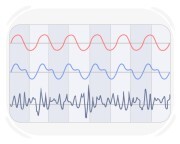
the specific number of waves that pass a point every second
frekvence
a vocal or musical sound with a particular pitch, intensity, and quality
tón,tonalita
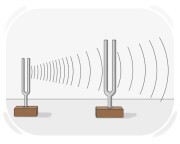
the degree of highness or lowness of a tone that is determined by the frequency of waves producing it
tón,výška tónu
Upravila výšku svého hlasu, aby dokonale odpovídala melodii písně.
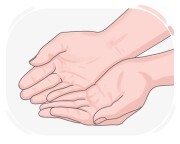
to shape one's hands in a rounded or curved manner
vytvořit z dlaní misku,dát ruce do tvaru šálku
Sevřela ruce, aby chytila kapky deště padající z nebe.
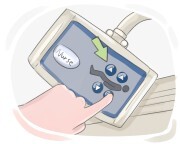
to change or regulate something slightly so that it works better or is more suitable or accurate
upravit, nastavit

the way in which someone or something moves, faces, or points
the state of being unclear due to multiple possible meanings
nejednoznačnost,dvojznačnost
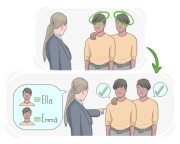
to recognize or understand the differences between people, things, or concepts
the act of doing or performing something again
opakování
Úspěch sportovce byl způsoben opakováním jeho tréninkové rutiny.
the surrounding discourse that provides clarity and understanding to a language unit, helping to determine its interpretation
kontext,rámec
to express one's thoughts and ideas clearly and effectively so that others can understand them easily
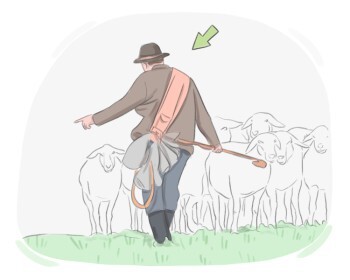
a person whose job is to tend, guard, and move sheep
pastýř, ovčák
a people or ethnic group sharing a common culture, traditions, or identity
lid, etnikum

new and unlike anything else
nový,originální
Její novátorský přístup k řešení problémů ohromil celý tým svou kreativitou a účinností.
indicating that the quantity or count mentioned does not exceed a specified value
až,maximálně
Na večírek můžete pozvat až deset hostů.
by means of a particular person, system, etc.
přes,prostřednictvím
Poslala mi zprávu přes WhatsApp.
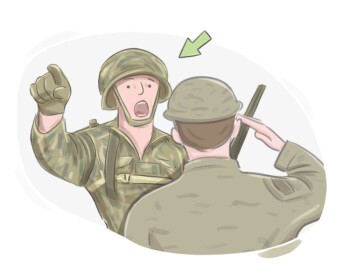
an order, particularly given by someone in a position of authority
příkaz,rozkaz
Generál vydal povel, aby vojska postoupila k nepřátelským pozicím.
a variety of techniques used to visualize the structure and function of the brain and nervous system
neurozobrazování,zobrazování mozku
Pokroky v neurozobrazování zrevolutionizovaly způsob, jakým diagnostikujeme mozkové poruchy.
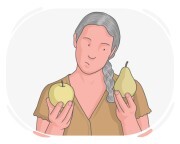
to compare two people or things so that their differences are noticeable
kontrastovat
Právě kontrastuje různé přístupy k řešení problémů.
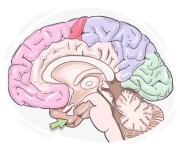
a region of the brain responsible for auditory processing, memory, language comprehension, and visual perception
spánkový lalok,temporální oblast
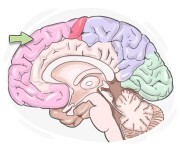
a region of the brain responsible for cognitive functions such as decision-making or problem-solving
čelní lalok,frontální oblast mozku
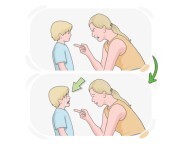
to do something or provide a reply based on what others have done or said
odpovědět,reagovat
Na mimořádnou událost reagovali vysláním lékařské pomoci do postižené oblasti.
as a reaction or answer to something
v reakci na,jako odpověď na
V reakci na obdržené zpětné vazby jsme provedli několik vylepšení produktu.
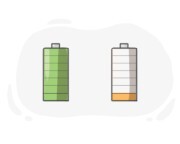
the ability or power to achieve something or develop into a certain state in the future
kapacita,potenciál
Se správným tréninkem má schopnost stát se světovým atletem.
the cerebral hemisphere to the left of the corpus callosum that controls the right half of the body
levá hemisféra,levá mozková hemisféra
free from external control, influence, or constraint
nezávislý,samostatný
Zůstal nezávislý navzdory tlaku svých vrstevníků.
the way in which language expresses the speaker's or writer's attitude, opinion, or degree of certainty regarding a statement or proposition
modalita,způsob
the source or point of beginning of something, such as the historical, cultural, or linguistic roots of a word, concept, or phenomenon
původ,zdroj

not well known or widely recognized
nejasný, neznámý
relating to the original inhabitants of a particular region or country, who have distinct cultural, social, and historical ties to that land
domorodý, původní
Mnoho domorodých jazyků je ohroženo zánikem, což podněcuje snahy o jejich zachování a oživení.
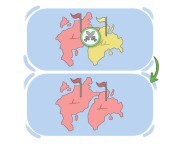
to gain control of a place or people using armed forces
dobýt,podmanit si
V průběhu dějin se mocné říše snažily dobýt nové země.
a small isolated group of people
kapsa,izolovaná skupina
feeling or being disconnected from others, either physically or socially
izolovaný,odpojený
Bez sdílení svých myšlenek s ostatními zůstal izolovaný ve svých emocích, zápasil s vnitřním zmatkem.

to indicate a potential danger or risk to someone or something
hrozit,představovat hrozbu

a situation in which a particular animal or plant no longer exists
vyhynutí
becoming gradually smaller or less
ubývající
to make progress or take action toward achieving something

a primary school for the first six or eight grades
základní škola,elementární škola
Pracuje jako učitel na základní škole, specializuje se na výuku vědy.

to officially tell people something
vyhlásit,prohlásit
Vedci země se sešli, aby vyhlásili svou nezávislost na koloniální nadvládě.
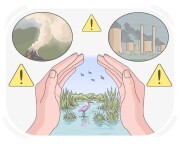
to protect someone or something from harm, danger, or destruction
in a situation where something harmful or dangerous is likely to happen, often due to a warning or risk
pod hrozbou,ohrožený
Ekonomika země je ohrožena kvůli rostoucí inflaci.
| Cambridge IELTS 15 - Academic | |||
|---|---|---|---|
| Test 3 - Čtení - Úryvek 3 | Test 4 - Poslech - Část 1 | Test 4 - Poslech - Část 2 | Test 4 - Poslech - Část 3 |
| Test 4 - Poslech - Část 4 | Test 4 - Čtení - Úryvek 1 | Test 4 - Čtení - Úryvek 2 | Test 4 - Čtení - Pasáž 3 |
