
Aggettivi di Attributi Fisici Umani - Aggettivi di Malattia e Morte
Gli aggettivi di malattia e morte descrivono gli aspetti negativi e le condizioni associate alla cattiva salute, alla malattia o alla fine della vita.
Revisione
Flashcard
Ortografia
Quiz
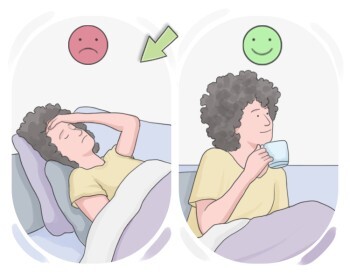
not in a good and healthy physical or mental state

malato
not in a fine mental or physical state
malato
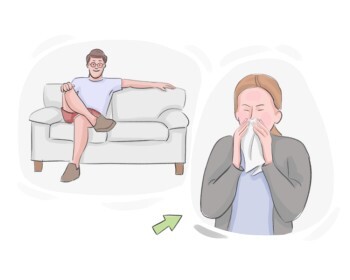
not feeling physically or mentally healthy or fit
indisposto
Con una febbre alta e un mal di gola, era chiaramente malato.
affected by a disease
malato
Gli alberi malati nella foresta sono stati segnati per la rimozione per prevenire la diffusione del parassita invasivo.
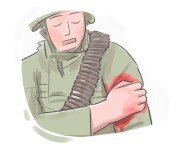
injured physically, especially in battle or combat
ferito
L'atleta ferita non è stata in grado di continuare il gioco dopo aver subito un grave infortunio al ginocchio.
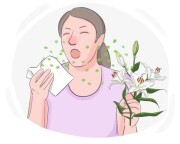
having negative reactions to specific substances, such as sneezing, itching, or swelling, due to sensitivity to those substances
allergico
È leggermente allergico ai gatti ma ne tiene comunque uno come animale domestico.
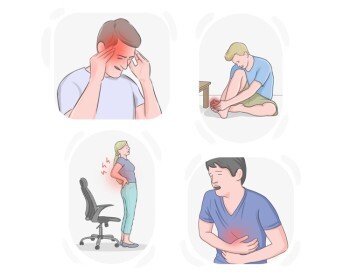
(of a body part) feeling painful or tender, often as a result of injury, strain, or illness
dolente
Mary aveva un dente dolorante che le rendeva doloroso masticare da quel lato della bocca.
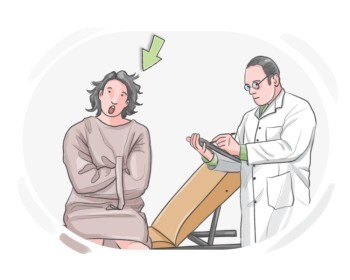
experiencing a state of extreme excitement, energy, or activity, often characterized by uncontrollable or frenzied behavior
maniacale, frenetico
Durante il concerto, la folla è diventata maniacale, ballando e applaudendo selvaggiamente mentre la loro band preferita si esibiva.

(of a condition or ailment) not addressed or managed with medical care or treatment
non trattato, senza trattamento
Senza antibiotici, la faringite streptococcica non trattata di Tim si è sviluppata in una malattia più grave.
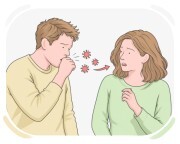
(of a disease) transmittable from one person to another through close contact
contagioso
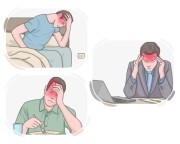
(of an illness) difficult to cure and long-lasting
cronico
Le emicranie croniche di Sarah spesso durano per giorni, nonostante provi diversi farmaci.
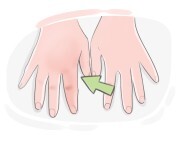
(of a part of the body) unusually large, particularly because of an injury or illness
gonfio
Il viso gonfio di David era il risultato di una reazione allergica a una puntura d'ape.
containing beneficial bacteria or microorganisms, often used to promote digestive health or balance within the body
probiotico, contenente batteri benefici
Il farmacista di Tim ha raccomandato un farmaco probiotico per aiutare con la sua diarrea associata agli antibiotici.
affected by a disease-causing agent, such as bacteria, viruses, or parasites
infetto
Dopo lo scoppio dell'epidemia, molte persone sono state testate per vedere se erano infette.
(of an illness or medical condition) developing rapidly and lasting for a relatively short period
acuto
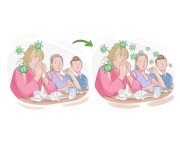
(of a disease or condition) capable of transmitting from one person, organism, or object to another through direct or indirect contact
infettivo
Il COVID-19 è una malattia respiratoria infettiva causata dal coronavirus SARS-CoV-2, che ha portato a una pandemia globale.
(of a disease) not showing any symptoms associated with it
asintomatico
Nonostante fosse asintomatico, al paziente è stato consigliato di monitorare attentamente la propria salute per eventuali segni di malattia.
having a disease since birth that is not necessarily hereditary
congenito
La perdita uditiva congenita di Tom è stata rilevata poco dopo la nascita durante uno screening neonatale.
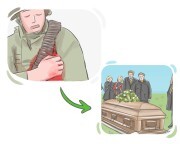
capable of causing death
letale
La fuuta chimica ha rilasciato un gas letale nell'atmosfera, rappresentando un grave rischio per i residenti vicini.
resulting in death
fatale
L'escursionista è caduto da una scogliera e ha riportato ferite mortali all'impatto.

able to cause death
mortale
È sopravvissuto a una caduta mortale dalla scogliera.
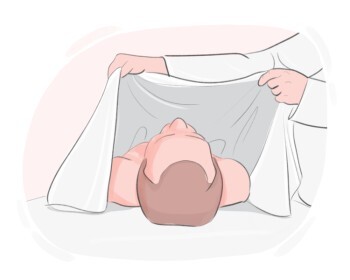
not alive anymore
morto
Hanno pianto il loro cane morto per settimane.
referring to a person who has recently died
defunto, deceduto
Le cartelle cliniche del paziente deceduto sono state esaminate per comprendere le circostanze della sua morte.
without any signs of life or vitality
inerte, senza vita
Dopo l'incidente, i paramedici hanno trovato il conducente accasciato sul volante, il suo corpo appariva senza vita.
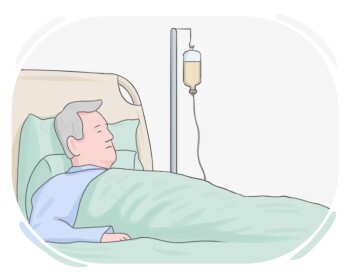
suffering from a physical or mental ailment, hardship, or distress
afflitto, sofferente
La popolazione anziana era particolarmente vulnerabile e afflitta durante la stagione influenzale.
having to stay in bed, usually for a long time, due to illness or injury
allettati
L'anziano divenne costretto a letto a causa di una grave artrite.
suffering from an illness or injury
indisposto
La zia malata di Sarah si affidava a farmaci quotidiani per gestire la sua condizione cardiaca.
lacking in strength, often due to age or illness
infermi
La salute cagionevole di Jack lo rendeva suscettibile a raffreddori e infezioni durante i mesi invernali.
looking pale or sickly
pallida
Il collega di Emily sembrava pallido dopo essere tornato da un lungo viaggio d'affari, suggerendo che fosse esausto.
feeling discomfort or nausea
nausea
La sensazione di nausea di Emily è stata alleviata dopo aver preso alcuni farmaci da banco per l'indigestione.
| Aggettivi di Attributi Fisici Umani | |||
|---|---|---|---|
| Aggettivi di Peso | Aggettivi di Forma Corporea | Aggettivi di Bellezza e Stile | Aggettivi di età |
| Aggettivi di Disabilità | Aggettivi di Salute e Vita | Aggettivi di Malattia e Morte | Aggettivi dei tratti fisici umani |
| Aggettivi di genere e sessualità | Aggettivi di Stati Fisici Temporanei | ||
