
Tính từ của Thuộc tính Thể chất của Con người - Tính Từ về Bệnh Tật và Cái Chết
Tính từ bệnh tật và cái chết mô tả những khía cạnh tiêu cực và điều kiện liên quan đến sức khỏe kém, bệnh tật hoặc cuối đời.
Xem lại
Thẻ ghi nhớ
Chính tả
Đố vui
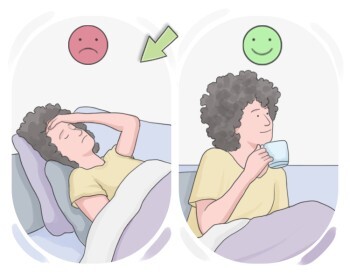
not in a good and healthy physical or mental state

ốm, buồn nôn
not in a fine mental or physical state
ốm, không khỏe
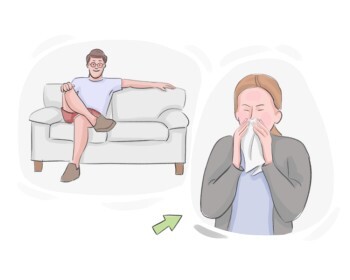
not feeling physically or mentally healthy or fit
ốm, không khỏe
Nhân viên không khỏe và phải nghỉ làm vài ngày.
affected by a disease
bị bệnh, mắc bệnh
Bác sĩ đã điều trị lá gan bệnh của bệnh nhân bằng thuốc và khuyến nghị thay đổi chế độ ăn uống để cải thiện chức năng của nó.
injured physically, especially in battle or combat
bị thương
Lính cứu hỏa bị thương đã được giải cứu khỏi tòa nhà đang cháy và đưa ngay đến bệnh viện để điều trị.

having negative reactions to specific substances, such as sneezing, itching, or swelling, due to sensitivity to those substances
dị ứng, nhạy cảm
Mark luôn mang theo EpiPen bên mình vì anh ấy bị dị ứng nặng với vết ong đốt.
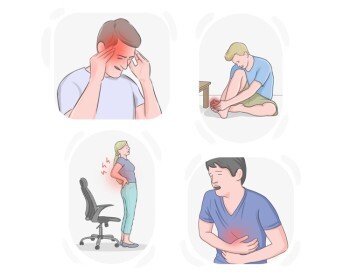
(of a body part) feeling painful or tender, often as a result of injury, strain, or illness
đau, nhức
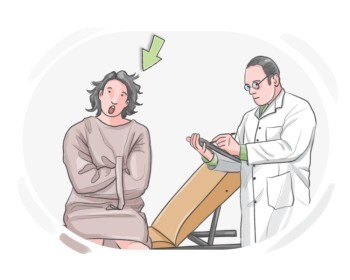
experiencing a state of extreme excitement, energy, or activity, often characterized by uncontrollable or frenzied behavior
điên cuồng, hăng hái
Con chó của Sarah đang trong trạng thái hưng phấn, chạy quanh sân sau với tốc độ tối đa.

(of a condition or ailment) not addressed or managed with medical care or treatment
không được điều trị, không có điều trị
Cơn sốt không được điều trị của Mary kéo dài trong vài ngày, khiến cô cảm thấy yếu ớt và mệt mỏi.
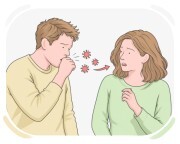
(of a disease) transmittable from one person to another through close contact
lây nhiễm
(of an illness) difficult to cure and long-lasting
mãn tính, kéo dài
Viêm khớp mãn tính của Tom khiến anh ấy khó khăn trong việc di chuyển thoải mái.
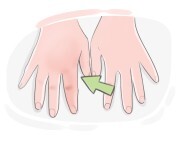
(of a part of the body) unusually large, particularly because of an injury or illness
sưng, phù
Sau ca phẫu thuật, khuôn mặt cô ấy vẫn sưng trong vài ngày.
containing beneficial bacteria or microorganisms, often used to promote digestive health or balance within the body
probiotic, chứa vi khuẩn có lợi
Chuyên gia dinh dưỡng của Jack đề nghị kết hợp đồ uống probiotic vào thói quen hàng ngày để hỗ trợ tiêu hóa.
affected by a disease-causing agent, such as bacteria, viruses, or parasites
nhiễm bệnh, bị lây nhiễm
Bác sĩ xác nhận rằng cô ấy đã bị nhiễm vi-rút cúm.
(of an illness or medical condition) developing rapidly and lasting for a relatively short period
cấp tính, cấp
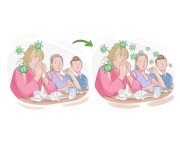
(of a disease or condition) capable of transmitting from one person, organism, or object to another through direct or indirect contact
lây nhiễm, truyền nhiễm
Cúm rất dễ lây, dễ dàng lây lan từ người này sang người khác, đặc biệt là ở những nơi đông người.
(of a disease) not showing any symptoms associated with it
không có triệu chứng
Nhiều người bị nhiễm ký sinh trùng không có triệu chứng và có thể không tìm kiếm sự chăm sóc y tế.
having a disease since birth that is not necessarily hereditary
bẩm sinh, bẩm sinh không di truyền
Rối loạn bẩm sinh của David đã ảnh hưởng đến sự hình thành xương mặt, dẫn đến hở hàm ếch.
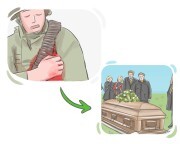
capable of causing death
chết người, gây chết người
Bác sĩ cảnh báo rằng bệnh ung thư của bệnh nhân đã tiến triển đến giai đoạn chết người, với các lựa chọn điều trị hạn chế.
resulting in death
chết người, tử vong
Lính cứu hỏa đã tử vong do bỏng chết người khi chiến đấu với đám cháy dữ dội.

able to cause death
chết người, gây chết người
Cơn bão đã chứng tỏ là chết người đối với nhiều thủy thủ.
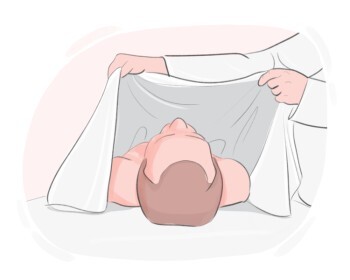
not alive anymore
chết, đã mất
Tôi thấy một con chim chết trên vỉa hè.
referring to a person who has recently died
đã khuất, quá cố
Người lính đã khuất được vinh danh bằng một buổi lễ tưởng niệm để tưởng nhớ sự hy sinh của họ.
without any signs of life or vitality
vô hồn, không có sự sống
Cây cối của Mary trông không có sức sống sau khi bị bỏ bê nhiều tuần không có nước.
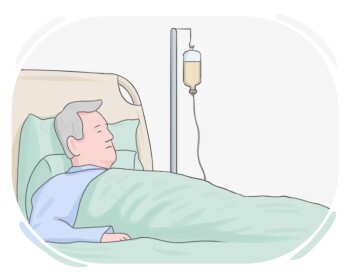
suffering from a physical or mental ailment, hardship, or distress
đau khổ, chịu đựng
Đứa trẻ bị ảnh hưởng đã nhận được sự hỗ trợ và chăm sóc từ một đội ngũ chuyên gia y tế tận tâm.
having to stay in bed, usually for a long time, due to illness or injury
nằm liệt giường, bất động trên giường
Mặc dù bị liệt giường, Mary vẫn giữ tinh thần tốt, tận hưởng những chuyến thăm của bạn bè và gia đình.
suffering from an illness or injury
ốm yếu, đau ốm
Sự lờ đờ và thiếu ăn của chú mèo con ốm yếu khiến chủ nhân lo lắng.
lacking in strength, often due to age or illness
yếu ớt, ốm yếu
Tình trạng yếu ớt của Tim ngăn cản anh ta nâng vật nặng hoặc thực hiện các hoạt động gắng sức.
looking pale or sickly
xanh xao, ốm yếu
Em gái của Mary trông xanh xao sau khi bị cảm lạnh, với quầng thâm dưới mắt và làn da nhợt nhạt.
feeling discomfort or nausea
buồn nôn, khó chịu
Sarah cảm thấy buồn nôn trong chuyến đi thuyền, không thể tận hưởng cảnh đẹp do say sóng.
| Tính từ của Thuộc tính Thể chất của Con người | |||
|---|---|---|---|
| Tính Từ Chỉ Trọng Lượng | Tính Từ Hình Dạng Cơ Thể | Tính Từ Về Vẻ Đẹp và Phong Cách | Tính từ về tuổi tác |
| Tính Từ Khuyết Tật | Tính Từ về Sức Khỏe và Cuộc Sống | Tính Từ về Bệnh Tật và Cái Chết | Tính từ về đặc điểm thể chất con người |
| Tính từ về giới tính và tình dục | Tính Từ Trạng Thái Thể Chất Tạm Thời | ||
