
Adjective ale Atributelor Fizice Umane - Adjective ale Bolii și Morții
Adjectivele de boală și moarte descriu aspectele negative și condițiile asociate cu sănătatea precară, boala sau sfârșitul vieții.
Revizuire
Fișe de studiu
Ortografie
Chestionar
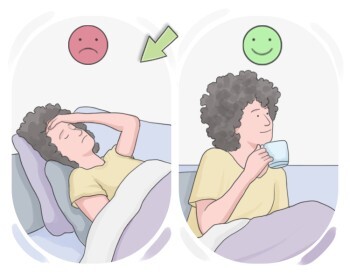
not in a good and healthy physical or mental state

bolnav, grețos
Cred că laptele era rău; m-a făcut bolnav.
not in a fine mental or physical state
bolnav, indispus
Ea s-a simțit bolnavă timp de o săptămână și în cele din urmă a decis să vadă un doctor.
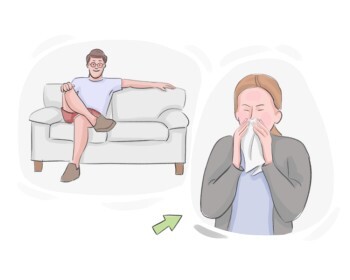
not feeling physically or mentally healthy or fit
bolnav, indisponibil
În ciuda faptului că se simțea rău, a terminat maratonul.
affected by a disease
bolnav, afectat de o boală
Plantele bolnave au prezentat semne de ofilire și decolorare din cauza unei infecții fungice.
injured physically, especially in battle or combat
rănit
Soldații răniți au fost transportați la spitalul de campanie pentru tratament medical și îngrijire.
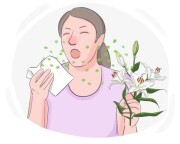
having negative reactions to specific substances, such as sneezing, itching, or swelling, due to sensitivity to those substances
alergic, sensibil
Tom are mâncărimi la ochi și strănută de fiecare dată când este lângă pisici pentru că este alergic la mătreață de pisică.
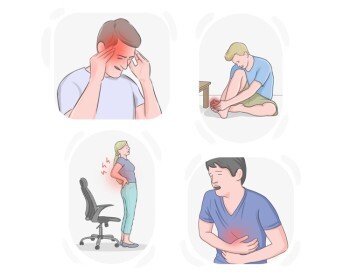
(of a body part) feeling painful or tender, often as a result of injury, strain, or illness
dureros, sensibil
Gâtul Janei era dureros, făcându-i dificil să înghită, după ce a răcit.
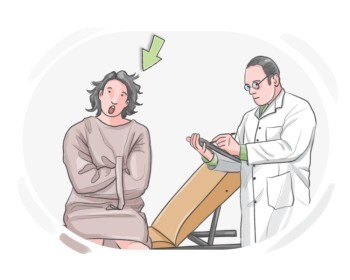
experiencing a state of extreme excitement, energy, or activity, often characterized by uncontrollable or frenzied behavior
maniacal, frenetic
În timpul sezonului de sărbători, mall-urile sunt adesea pline de cumpărători maniacali care se grăbesc să cumpere cadouri.

(of a condition or ailment) not addressed or managed with medical care or treatment
netratat, fără tratament
Durerea de dinți netratată a lui Jack a devenit mai dureroasă pe măsură ce treceau zilele.
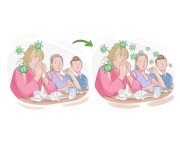
(of a disease) transmittable from one person to another through close contact
contagios
COVID-19 este foarte contagios, răspândindu-se ușor între persoanele din locurile aglomerate.
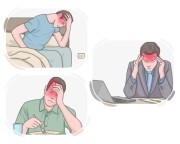
(of an illness) difficult to cure and long-lasting
cronic, persistent
Astmul cronic al Mariei necesită medicație zilnică pentru a controla simptomele.
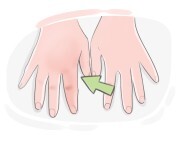
(of a part of the body) unusually large, particularly because of an injury or illness
umflat, inflamat
După ce și-a răsucit glezna, piciorul Sarei a devenit umflat și dureros.
containing beneficial bacteria or microorganisms, often used to promote digestive health or balance within the body
probiotic, conținând bacterii benefice
Sarah consumă în mod regulat iaurt probiotic pentru a-și susține sistemul digestiv.
affected by a disease-causing agent, such as bacteria, viruses, or parasites
infectat, contaminat
După izbucnire, mulți oameni au fost testați pentru a vedea dacă sunt infecți.
(of an illness) suddenly becoming severe but for a short time
acut, grav
Jack a fost spitalizat din cauza unui atac acut de apendicită.
(of a disease or condition) capable of transmitting from one person, organism, or object to another through direct or indirect contact
contagios, infecțios
Sarah a rămas acasă de la muncă pentru a evita răspândirea răcelii sale infecțioase către colegi.
(of a disease) not showing any symptoms associated with it
asimptomatic
Testarea regulată este esențială pentru a identifica cazurile asimptomatice și a preveni răspândirea virusului.
having a disease since birth that is not necessarily hereditary
congenital, înnăscut
Starea congenitală a Mariei a făcut ca ea să se nască cu un deget în plus la fiecare mână.
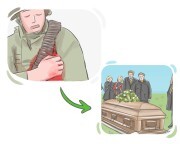
capable of causing death
letal, mortifer
Reacția alergică severă a lui Tim la arahide ar putea fi letală dacă nu este tratată prompt cu o injecție de epinefrină.
resulting in death
fatal, mortel
Accidentul de mașină a provocat răni fatale șoferului, rezultând în moartea acestuia la fața locului.

able to cause death
mortal, letal
Explozia a avut consecințe mortale.
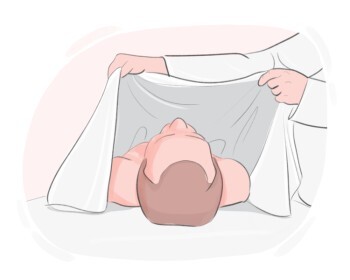
not alive anymore
mort, decedat
A găsit un iepure mort pe marginea drumului.
referring to a person who has recently died
decedat, răposat
Membrii familiei bărbatului decedat s-au adunat pentru a-și plânge pierderea la înmormântare.
without any signs of life or vitality
inerte, fără viață
Trupul fără viață al păsării zăcea nemișcat pe pământ.
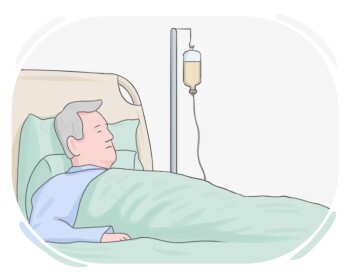
suffering from a physical or mental ailment, hardship, or distress
aflict, suferind
Affectată de o boală cronică, ea s-a confruntat cu provocări zilnice în gestionarea sănătății sale.
having to stay in bed, usually for a long time, due to illness or injury
culcat în pat, legat de pat
Bunica lui Sarah a devenit patiserită după ce și-a fracturat șoldul, necesitând asistență în toate activitățile zilnice.
suffering from an illness or injury
bolnav, suferind
Pacientul bolnav a fost internat în spital pentru investigații și tratament suplimentare.
lacking in strength, often due to age or illness
slab, bolnăvicios
Bătrânul slab avea nevoie de ajutor pentru a urca scările.
looking pale or sickly
palid, bolnăvicios
În ciuda comportamentului ei obișnuit vibrant, Sarah părea palidă după ce a stat toată noaptea trează învățând pentru examene.
feeling discomfort or nausea
grețos, indispus
Mary s-a simțit rău după ce a mâncat prea multe dulciuri la târg.
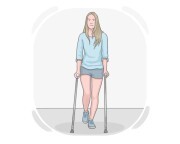
physically harmed or wounded
rănit, avariat
Sportivul rănit a fost scos de pe teren pe targă după o coliziune cu un alt jucător.
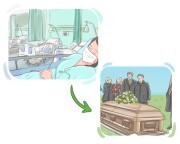
(of an illness) having no cure and gradually leading to death
terminal, incurabil
Bunica lui Mary a fost diagnosticată cu cancer pulmonar terminal și a fost plasată în îngrijire paliativă.
| Adjective ale Atributelor Fizice Umane | |||
|---|---|---|---|
| Adjective de Greutate | Adjective de Formă Corporală | Adjective de Frumusețe și Stil | Adjective de vârstă |
| Adjective de Dizabilitate | Adjective ale Sănătății și Vieții | Adjective ale Bolii și Morții | Adjective ale trăsăturilor fizice umane |
| Adjective de gen și sexualitate | Adjective ale Stărilor Fizice Temporare | ||
