
Vocabolario per IELTS Academic (Punteggio 6-7) - Biologia
Qui, imparerai alcune parole inglesi relative alla Biologia che sono necessarie per l'esame accademico IELTS.
Revisione
Flashcard
Ortografia
Quiz

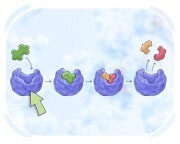
a biological molecule, usually a protein, that speeds up a specific chemical reaction without being consumed in the process

enzima

a thin layer of living tissue that covers, lines, connects, or separates parts of an organism
membrana
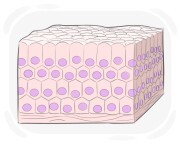
a group of similar cells that work together to form a particular part of a human, animal, or plant
tessuto
(biology) the colorless liquid part of the blood in which the blood cells are suspended
plasma
(biochemistry) an oily or fatty molecule that does not dissolve in water and is a key building block of cell membranes
lipidico
(biochemistry) a small molecule that cells link together to build proteins
aminoacido
a junction between two nerve cells, consisting of a minute gap across which impulses pass by diffusion of a neurotransmitter
sinapsi, giunzione sinaptica
La potenziazione a lungo termine (LTP) è un fenomeno che si verifica a livello delle sinapsi, associato al rafforzamento delle connessioni sinaptiche e all'apprendimento e alla memoria.
the genetic makeup of an organism, determined by the combination of genes inherited from its parents
genotipo
Nell'allevamento selettivo, gli agricoltori mirano a produrre colture con tratti specifici desiderabili manipolando il genotipo delle piante.
a type of cell division that creates reproductive cells with half the usual number of chromosomes
meiosi, divisione cellulare riduzionale
Le fasi della meiosi includono la profase I, metafase I, anafase I, telofase I, profase II, metafase II, anafase II e telofase II.
a type of cell division that results in the formation of two daughter cells, each having the same number of chromosomes as the parent cell
mitosi, divisione cellulare equazionale
Le cellule somatiche subiscono la mitosi, assicurando che ogni cellula figlia conservi la stessa informazione genetica della cellula genitrice.
the system of glands and organs that produce and release hormones into the bloodstream, regulating various physiological functions and maintaining homeostasis
sistema endocrino, endocrino
Disturbi come il diabete e l'ipertiroidismo possono derivare da squilibri nel sistema endocrino, influenzando la salute e il benessere generale.
a gland that secretes substances, such as enzymes or mucus, through ducts that lead to the external environment or a body cavity, rather than directly into the bloodstream
esocrino, ghiandola esocrina
Le ghiandole mammarie sono ghiandole esocrine che producono latte e lo rilasciano attraverso i dotti durante l'allattamento.
a steroid hormone that the body produces and is used in medicine to help cure skin diseases
cortisolo
Il farmaco contiene cortisolo per ridurre l'infiammazione e il gonfiore.
something that causes or prompts a physical, psychological, or behavioral response
stimolo
(neuroanatomy) the long, single fiber of a nerve cell that carries electrical signals away from the cell body
assone, cilindrasse
a small, membrane-bound sac within a cell, involved in the transport, storage, or release of substances
vescicola, vacuolo
Le vescicole endocitiche si formano quando le cellule inglobano materiali esterni attraverso processi come la fagocitosi o la pinocitosi, portandoli all'interno della cellula.
