
Словарный запас для IELTS Academic (Оценка 6-7) - Биология
Здесь вы выучите некоторые английские слова, связанные с биологией, которые необходимы для академического экзамена IELTS.
Обзор
Флэш-карточки
Правописание
Тест


a substance that all living organisms produce that brings about a chemical reaction without being altered itself

фермент

a thin sheet of tissue that separates or covers the inner parts of an organism
мембрана
Клеточная мембрана защищает внутреннюю часть клетки.
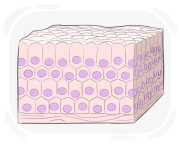
a group of cells in the body of living things, forming their different parts
ткань
Мышечная ткань обеспечивает движение и поддерживает структуру тела.
(biology) the colorless liquid part of the blood in which the blood cells are suspended
плазма
any of a class of organic substances that do not dissolve in water that include many natural oils, waxes, and steroids
липид
any organic compound that creates the basic structure of proteins
аминокислота
a junction between two nerve cells, consisting of a minute gap across which impulses pass by diffusion of a neurotransmitter
синапс, синаптическое соединение
Нейротрансмиттеры, выделяющиеся в синапс, связываются с рецепторами принимающего нейрона, облегчая передачу нервных импульсов.
the genetic makeup of an organism, determined by the combination of genes inherited from its parents
генотип
Генотип индивидуума отвечает за наследование определенных черт, таких как цвет глаз и рост.
a type of cell division that creates reproductive cells with half the usual number of chromosomes
мейоз, редукционное деление клетки
Мейоз обеспечивает генетическое разнообразие, создавая гаплоидные клетки с уникальными комбинациями хромосом.
a type of cell division that results in the formation of two daughter cells, each having the same number of chromosomes as the parent cell
митоз, равномерное деление клетки
Митоз необходим для роста и развития многоклеточных организмов, так как приводит к образованию новых клеток.
the system of glands and organs that produce and release hormones into the bloodstream, regulating various physiological functions and maintaining homeostasis
эндокринная система, эндокринный
Эндокринная система включает железы, такие как гипофиз, щитовидная железа, надпочечники и поджелудочная железа, каждая из которых вырабатывает определенные гормоны.
a gland that secretes substances, such as enzymes or mucus, through ducts that lead to the external environment or a body cavity, rather than directly into the bloodstream
экзокринный, экзокринная железа
Слюнные железы являются примерами экзокринных желез, которые выделяют слюну в полость рта через протоки, способствуя пищеварению.
a steroid hormone that the body produces and is used in medicine to help cure skin diseases
кортизол
Высокий уровень кортизола может увеличить стресс и тревогу.
something that triggers a reaction in various areas like psychology or physiology
раздражитель
Положительное подкрепление может быть мощным стимулом для формирования желаемого поведения как у детей, так и у животных.
a long, slender projection of a nerve cell that conducts electrical impulses away from the cell body towards other neurons or target cells
аксон
a small, membrane-bound sac within a cell, involved in the transport, storage, or release of substances
везикула, вакуоль
Пероксисомы — это везикулы, содержащие ферменты, которые участвуют в различных метаболических процессах, включая расщепление жирных кислот.
