
Λεξιλόγιο για το IELTS Academic (Βαθμολογία 6-7) - Βιολογία
Εδώ, θα μάθετε μερικές αγγλικές λέξεις σχετικές με τη Βιολογία που είναι απαραίτητες για την ακαδημαϊκή εξέταση IELTS.
Ανασκόπηση
Κάρτες
Ορθογραφία
Κουίζ

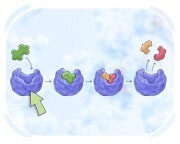
a biological molecule, usually a protein, that speeds up a specific chemical reaction without being consumed in the process

ένζυμο, ζυμωτικό

a thin layer of living tissue that covers, lines, connects, or separates parts of an organism
μεμβράνη, υμένας
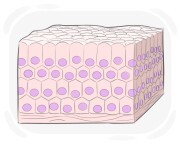
a group of similar cells that work together to form a particular part of a human, animal, or plant
(biology) the colorless liquid part of the blood in which the blood cells are suspended
πλάσμα
(biochemistry) an oily or fatty molecule that does not dissolve in water and is a key building block of cell membranes
λιπίδιο, λιπίδια
(biochemistry) a small molecule that cells link together to build proteins
αμινοξύ
a junction between two nerve cells, consisting of a minute gap across which impulses pass by diffusion of a neurotransmitter
συνάψη, συνάφεια μεταξύ δύο νευρικών κυττάρων
Η μακροχρόνια ενίσχυση (LTP) είναι ένα φαινόμενο που συμβαίνει στις συνάψεις, σχετίζεται με την ενίσχυση των συναπτικών συνδέσεων και τη μάθηση και τη μνήμη.
the genetic makeup of an organism, determined by the combination of genes inherited from its parents
γονότυπο
Στην επιλεκτική αναπαραγωγή, οι αγρότες στοχεύουν να παράγουν καλλιέργειες με συγκεκριμένα επιθυμητά χαρακτηριστικά χειριζόμενοι τον γονότυπο των φυτών.
a type of cell division that creates reproductive cells with half the usual number of chromosomes
μείωση, υπολογιστική κυτταρική διαίρεση
Οι φάσεις της μείωσης περιλαμβάνουν την προφάση I, μεταφάση I, αναφάση I, τελοφάση I, προφάση II, μεταφάση II, αναφάση II και τελοφάση II.
a type of cell division that results in the formation of two daughter cells, each having the same number of chromosomes as the parent cell
μίτωση, ισόπολη κυτταρική διαίρεση
Τα σωματικά κύτταρα υφίστανται μίτωση, διασφαλίζοντας ότι κάθε θυγατρικό κύτταρο διατηρεί την ίδια γενετική πληροφορία με το γονικό κύτταρο.
the system of glands and organs that produce and release hormones into the bloodstream, regulating various physiological functions and maintaining homeostasis
ενδοκρινικό σύστημα, ενδοκρινικός
Διαταραχές όπως ο διαβήτης και η υπερθυρεοειδισμός μπορεί να προκύψουν από ανισορροπίες στο ενδοκρινικό σύστημα, επηρεάζοντας τη γενική υγεία και ευεξία.
a gland that secretes substances, such as enzymes or mucus, through ducts that lead to the external environment or a body cavity, rather than directly into the bloodstream
εξωκρινής, εξωκρινής αδένας
Οι μαστικοί αδένες είναι εξωκρινείς αδένες που παράγουν γάλα και το απελευθερώνουν μέσω αγωγών κατά τη διάρκεια του θηλασμού.
a steroid hormone that the body produces and is used in medicine to help cure skin diseases
κορτιζόλη, στερεοειδής ορμόνη που παράγει το σώμα και χρησιμοποιείται στην ιατρική για να βοηθήσει στην θεραπεία των δερματικών παθήσεων
Το φάρμακο περιέχει κορτιζόλη για τη μείωση της φλεγμονής και του οιδήματος.
something that causes or prompts a physical, psychological, or behavioral response
ερέθισμα, παράγοντας
(neuroanatomy) the long, single fiber of a nerve cell that carries electrical signals away from the cell body
άξονας, νευράξονας
a small, membrane-bound sac within a cell, involved in the transport, storage, or release of substances
κυστίδιο, κενό
Τα ενδοκυτταρικά κυστίδια σχηματίζονται όταν τα κύτταρα καταπίνουν εξωτερικά υλικά μέσω διεργασιών όπως η φαγοκυττάρωση ή η πινοκυττάρωση, φέρνοντάς τα μέσα στο κύτταρο.
