
IELTS Academic için kelime bilgisi (Skor 6-7) - Biyoloji
Burada, Akademik IELTS sınavı için gerekli olan Biyoloji ile ilgili bazı İngilizce kelimeleri öğreneceksiniz.
Gözden Geçir
Flash kartlar
Yazım
Quiz

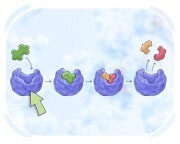
a biological molecule, usually a protein, that speeds up a specific chemical reaction without being consumed in the process

enzim

a thin layer of living tissue that covers, lines, connects, or separates parts of an organism
membran
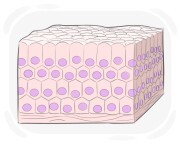
a group of similar cells that work together to form a particular part of a human, animal, or plant
doku
(biology) the colorless liquid part of the blood in which the blood cells are suspended
plazma
(biochemistry) an oily or fatty molecule that does not dissolve in water and is a key building block of cell membranes
lipit
(biochemistry) a small molecule that cells link together to build proteins
amino asit
a junction between two nerve cells, consisting of a minute gap across which impulses pass by diffusion of a neurotransmitter
sinaps, sinir hücreleri arası bağlantı
Nöronlar arasında doğrudan elektriksel bağlantı ile karakterize edilen elektriksel sinapslar, kimyasal sinapslara kıyasla daha hızlı iletişim sağlar.
the genetic makeup of an organism, determined by the combination of genes inherited from its parents
genotip
Genetik çalışması, genlerin organizmaların gelişimine ve işleyişine nasıl katkıda bulunduğunu anlamak için genotip incelemesini içerir.
a type of cell division that creates reproductive cells with half the usual number of chromosomes
mayoz, kromozom sayısını yarıya indiren hücre bölünmesi
Mayoz, gametlerdeki kromozom sayısını yarıya indirerek nesiller boyunca sabit bir kromozom sayısının korunmasına yardımcı olur.
a type of cell division that results in the formation of two daughter cells, each having the same number of chromosomes as the parent cell
mitoz, eşit hücre bölünmesi
Eşeysiz üremede, organizmalar mitoz yoluyla çoğalır, genetik olarak aynı olan yavrular meydana getirir.
the system of glands and organs that produce and release hormones into the bloodstream, regulating various physiological functions and maintaining homeostasis
endokrin sistem, endokrin
Endokrin ve sinir sistemleri, homeostazı sürdürmek için birlikte çalışır, endokrin sistem daha yavaş, daha uzun süreli düzenleme sağlar.
a gland that secretes substances, such as enzymes or mucus, through ducts that lead to the external environment or a body cavity, rather than directly into the bloodstream
ekzokrin, dış salgı bezi
Ekzokrin ter bezleri, teri cilt yüzeyine salgılayarak sıcaklık düzenlemesinde ve atık eliminasyonunda rol oynar.
a steroid hormone that the body produces and is used in medicine to help cure skin diseases
kortizol
Kortizol, vücudun uyku-uyanıklık döngüsünün kontrolünde rol oynar.
something that causes or prompts a physical, psychological, or behavioral response
uyarıcı
(neuroanatomy) the long, single fiber of a nerve cell that carries electrical signals away from the cell body
akson
a small, membrane-bound sac within a cell, involved in the transport, storage, or release of substances
vezikül, koful
Lizozomlar, sindirim enzimleri içeren veziküller olup hücresel atıkları ve yabancı parçacıkları parçalamaktan sorumludur.
