
Slovní zásoba pro IELTS Academic (Skóre 6-7) - Biologie
Zde se naučíte některá anglická slova související s biologií, která jsou nezbytná pro akademickou zkoušku IELTS.
Revize
Kartičky
Pravopis
Kvíz

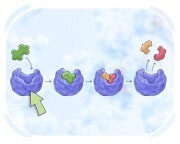
a biological molecule, usually a protein, that speeds up a specific chemical reaction without being consumed in the process

enzym, ferment

a thin layer of living tissue that covers, lines, connects, or separates parts of an organism
membrána, blána
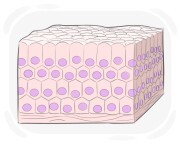
a group of similar cells that work together to form a particular part of a human, animal, or plant
tkáň, biologická tkáň
(biology) the colorless liquid part of the blood in which the blood cells are suspended
plazma
(biochemistry) an oily or fatty molecule that does not dissolve in water and is a key building block of cell membranes
lipid, tuk
(biochemistry) a small molecule that cells link together to build proteins
aminokyselina
a junction between two nerve cells, consisting of a minute gap across which impulses pass by diffusion of a neurotransmitter
synapse, spojení mezi dvěma nervovými buňkami
Dlouhodobá potenciace (LTP) je jev, který se vyskytuje na synapsích, spojený se zesílením synaptických spojů a učením a pamětí.
the genetic makeup of an organism, determined by the combination of genes inherited from its parents
genotyp
Při selektivním šlechtění se zemědělci snaží produkovat plodiny se specifickými žádoucími vlastnostmi manipulací s genotypem rostlin.
a type of cell division that creates reproductive cells with half the usual number of chromosomes
meióza, redukční dělení buňky
Fáze meiózy zahrnují profázi I, metafázi I, anafázi I, telofázi I, profázi II, metafázi II, anafázi II a telofázi II.
a type of cell division that results in the formation of two daughter cells, each having the same number of chromosomes as the parent cell
mitóza, rovnoměrné dělení buněk
Somatické buňky procházejí mitózou, což zajišťuje, že každá dceřiná buňka si zachová stejné genetické informace jako mateřská buňka.
the system of glands and organs that produce and release hormones into the bloodstream, regulating various physiological functions and maintaining homeostasis
endokrinní systém, endokrinní
Poruchy, jako je diabetes a hypertyreóza, mohou být výsledkem nerovnováhy v endokrinním systému, což ovlivňuje celkové zdraví a pohodu.
a gland that secretes substances, such as enzymes or mucus, through ducts that lead to the external environment or a body cavity, rather than directly into the bloodstream
exokrinní, exokrinní žláza
Mléčné žlázy jsou exokrinní žlázy, které produkují mléko a uvolňují ho prostřednictvím kanálků během kojení.
a steroid hormone that the body produces and is used in medicine to help cure skin diseases
kortizol, steroidní hormon
Lék obsahuje kortizol ke snížení zánětu a otoku.
something that causes or prompts a physical, psychological, or behavioral response
(neuroanatomy) the long, single fiber of a nerve cell that carries electrical signals away from the cell body
axon, neurit
a small, membrane-bound sac within a cell, involved in the transport, storage, or release of substances
vezikula, vakuola
Endocytické vezikuly se tvoří, když buňky pohlcují vnější materiály procesy, jako je fagocytóza nebo pinocytóza, a přivádějí je do buňky.
