
Vocabulário para IELTS Academic (Pontuação 6-7) - Biologia
Aqui, você aprenderá algumas palavras em inglês relacionadas à Biologia que são necessárias para o exame acadêmico do IELTS.
Revisar
Flashcards
Ortografia
Quiz

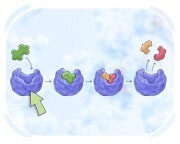
a biological molecule, usually a protein, that speeds up a specific chemical reaction without being consumed in the process

enzima, fermento

a thin layer of living tissue that covers, lines, connects, or separates parts of an organism
membrana, membrana celular
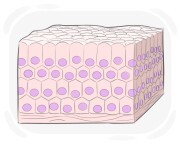
a group of similar cells that work together to form a particular part of a human, animal, or plant
tecido, tecido biológico
(biology) the colorless liquid part of the blood in which the blood cells are suspended
plasma
(biochemistry) an oily or fatty molecule that does not dissolve in water and is a key building block of cell membranes
lipídio, lípido
(biochemistry) a small molecule that cells link together to build proteins
aminoácido
a junction between two nerve cells, consisting of a minute gap across which impulses pass by diffusion of a neurotransmitter
sinapse, junção sináptica
A potenciação de longo prazo (LTP) é um fenômeno que ocorre nas sinapses, associado ao fortalecimento das conexões sinápticas e à aprendizagem e memória.
the genetic makeup of an organism, determined by the combination of genes inherited from its parents
genótipo
Na criação seletiva, os agricultores visam produzir culturas com características específicas desejáveis manipulando o genótipo das plantas.
a type of cell division that creates reproductive cells with half the usual number of chromosomes
meiose, divisão celular reducional
As fases da meiose incluem prófase I, metáfase I, anáfase I, telófase I, prófase II, metáfase II, anáfase II e telófase II.
a type of cell division that results in the formation of two daughter cells, each having the same number of chromosomes as the parent cell
mitose, divisão celular equacional
As células somáticas sofrem mitose, garantindo que cada célula filha retenha a mesma informação genética que a célula parental.
the system of glands and organs that produce and release hormones into the bloodstream, regulating various physiological functions and maintaining homeostasis
sistema endócrino, endócrino
Distúrbios como diabetes e hipertireoidismo podem resultar de desequilíbrios no sistema endócrino, afetando a saúde e o bem-estar geral.
a gland that secretes substances, such as enzymes or mucus, through ducts that lead to the external environment or a body cavity, rather than directly into the bloodstream
exócrino, glândula exócrina
As glândulas mamárias são glândulas exócrinas que produzem leite e o liberam através de ductos durante a amamentação.
a steroid hormone that the body produces and is used in medicine to help cure skin diseases
cortisol, hormônio esteroide que o corpo produz e é usado na medicina para ajudar a curar doenças de pele
O medicamento contém cortisol para reduzir a inflamação e o inchaço.
something that causes or prompts a physical, psychological, or behavioral response
estímulo, incentivo
(neuroanatomy) the long, single fiber of a nerve cell that carries electrical signals away from the cell body
axônio, cilindro-eixo
a small, membrane-bound sac within a cell, involved in the transport, storage, or release of substances
vesícula, vacúolo
As vesículas endocíticas se formam quando as células engolem materiais externos através de processos como fagocitose ou pinocitose, trazendo-os para dentro da célula.
