
Từ vựng cho IELTS Academic (Điểm 6-7) - Sinh học
Ở đây, bạn sẽ học một số từ tiếng Anh liên quan đến Sinh học cần thiết cho kỳ thi IELTS Học thuật.
Xem lại
Thẻ ghi nhớ
Chính tả
Đố vui

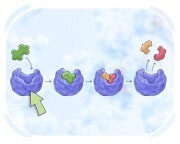
a biological molecule, usually a protein, that speeds up a specific chemical reaction without being consumed in the process

enzym, men

a thin layer of living tissue that covers, lines, connects, or separates parts of an organism
màng, màng tế bào
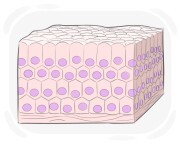
a group of similar cells that work together to form a particular part of a human, animal, or plant
mô, mô sinh học
(biology) the colorless liquid part of the blood in which the blood cells are suspended
huyết tương
(biochemistry) an oily or fatty molecule that does not dissolve in water and is a key building block of cell membranes
lipid, chất béo
(biochemistry) a small molecule that cells link together to build proteins
axit amin
a junction between two nerve cells, consisting of a minute gap across which impulses pass by diffusion of a neurotransmitter
synap, khớp thần kinh
Synap hóa học là loại synap phổ biến nhất, liên quan đến việc giải phóng chất dẫn truyền thần kinh để truyền tín hiệu.
the genetic makeup of an organism, determined by the combination of genes inherited from its parents
kiểu gen
Sự đa dạng của con người bị ảnh hưởng bởi phạm vi rộng của kiểu gen kết quả từ sự kết hợp vật liệu di truyền từ cả hai cha mẹ.
a type of cell division that creates reproductive cells with half the usual number of chromosomes
giảm phân, phân chia tế bào giảm nhiễm
Ở người, giảm phân xảy ra trong các tế bào tạo ra trứng và tinh trùng, dẫn đến việc sản xuất ra con cái có sự đa dạng di truyền.
a type of cell division that results in the formation of two daughter cells, each having the same number of chromosomes as the parent cell
phân bào nguyên nhiễm, sự phân chia tế bào đồng đều
Nguyên phân là một quá trình cơ bản trong việc sửa chữa mô, cho phép các tế bào bị hư hỏng được thay thế bằng các bản sao giống hệt nhau thông qua phân chia tế bào.
the system of glands and organs that produce and release hormones into the bloodstream, regulating various physiological functions and maintaining homeostasis
hệ nội tiết, nội tiết
Insulin, được sản xuất bởi tuyến tụy, là một hormone nội tiết điều chỉnh lượng glucose trong máu bằng cách thúc đẩy sự hấp thu glucose vào tế bào.
a gland that secretes substances, such as enzymes or mucus, through ducts that lead to the external environment or a body cavity, rather than directly into the bloodstream
ngoại tiết, tuyến ngoại tiết
Tuyến bã nhờn, sản xuất và giải phóng bã nhờn, là tuyến ngoại tiết có trong da, giúp dưỡng ẩm và bảo vệ nó.
a steroid hormone that the body produces and is used in medicine to help cure skin diseases
cortisol, một loại hormone steroid mà cơ thể sản xuất và được sử dụng trong y học để giúp chữa các bệnh ngoài da
Cortisol giúp điều chỉnh quá trình trao đổi chất và phản ứng miễn dịch trong cơ thể.
something that causes or prompts a physical, psychological, or behavioral response
(neuroanatomy) the long, single fiber of a nerve cell that carries electrical signals away from the cell body
sợi trục, axon
a small, membrane-bound sac within a cell, involved in the transport, storage, or release of substances
túi nhỏ, không bào
Các túi nhỏ, được tìm thấy trong tế bào thực vật, là những túi lớn tham gia vào việc lưu trữ chất dinh dưỡng, sản phẩm thải và duy trì áp suất trương.
